The search landscape is undergoing its most radical transformation since the invention of the hyperlink. Increasingly, tech-savvy users are shifting away from traditional search engine result pages and moving toward AI-driven answer engines. For this reason, learning how to optimize your digital assets for conversational platforms is no longer a forward-thinking experiment. Instead, mastering this specialized perplexity seo guide is an absolute necessity for modern content creators who want to preserve their organic visibility.
If you are looking to audit your digital presence for automated user prompts, deploying a comprehensive perplexity seo guide allows your site to capture traffic before it gets synthesized away. Modern AI web-agents ignore old-school keyword strings; they look for direct paragraph structures that directly satisfy what the user is explicitly asking behind the chat screen.
Unlike legacy platforms that rely on traditional ranking factors, generative engines synthesize direct responses on the fly. To establish authority under this new paradigm, your content must be actively ingested, processed, and surfaced within perplexity citations. Consequently, if your digital articles do not secure these crucial citation nodes, your brand becomes completely invisible to users navigating the AI search ecosystem.
When an automated model pulls facts from the live web, earning premium perplexity citations relies entirely on how cleanly your data answers consumer queries. If your site structure wraps important facts in complex industry jargon, the underlying language model skips your node entirely, giving your competitors all the visibility in the chat response.
Succeeding in this conversational environment requires moving past old keyword-stuffing tactics. Therefore, this strategic guide breaks down the precise technical architecture, algorithmic ingestion habits, and optimization frameworks required to consistently surface your content inside AI-synthesized responses.
The Core Mechanics of Generative Answer Engines
To understand how to rank in perplexity, you must first dissect the physical process the engine uses to answer a user query. Traditional search engines crawl the web, index pages, and present a list of blue links for the user to evaluate. On the other hand, an AI answer engine acts as an automated research assistant that executes a multi-step retrieval process in real time.
If your core organic marketing objective is learning how to rank in perplexity to capture millions of modern impressions, your engineering focus must shift toward information clarity. The system runs an instant web search to fetch highly authoritative pages, meaning your core technical framework must be fast enough to serve real-time user agents without delay.
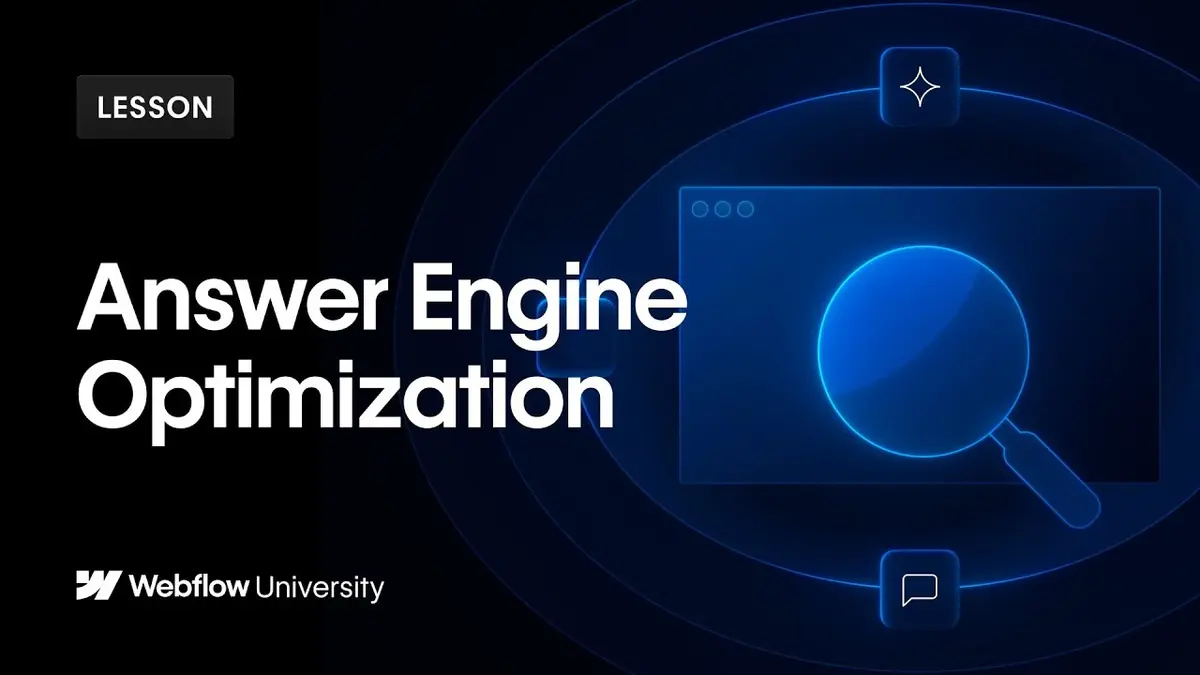
When a user submits a prompt, the system instantly triggers a specialized, parallel search query to find high-ranking web documents. Next, it extracts relevant text blocks from those top sources and passes them into a Large Language Model (LLM) as context. Finally, the LLM reads that background data, synthesizes a clear response, and appends explicit tracking links back to the original source materials.
Why Retrieval-Augmented Generation Matters
This specific process is known technically as Retrieval-Augmented Generation (RAG). Because the underlying AI model relies entirely on the search results injected into its prompt context, your primary goal is to ensure your content is easily extractable. For a deeper breakdown of how this differs from classic ranking signals, see our complete GEO vs traditional SEO comparison, which maps out exactly what changes and what stays the same. Thus, if your web page structure confuses the initial retrieval bot, the LLM will never see your content, eliminating any chance of earning a citation slot.
Implementing an aggressive approach toward perplexity optimization means you write for both human readers and algorithm engines simultaneously. This requires matching the exact intent behind conversational keywords, allowing conversational systems to lift your data smoothly into their context windows.
When optimizing structural layouts, executing clean perplexity optimization techniques ensures your digital platform becomes highly scannable for automated tools. By keeping your paragraphs short, punchy, and fact-focused, you eliminate semantic confusion, making it significantly easier for real-time models to reference your brand.
The Ingestion Architecture Matrix
Securing a spot within AI answers depends heavily on matching your layout to the ingestion habits of the retrieval algorithms. For this purpose, this technical matrix outlines the primary data formats, optimal code layouts, and specific structural requirements needed to maximize your visibility during the data extraction phase.
| Data Format Type | Target Layout Structure | Ingestion Priority Level | Primary Optimization Metric |
| Direct Q&A Blocks | Semantic H2 headings paired with concise paragraph responses | Critical | Immediate sentence-level extractability |
| Structured Data | Clean Markdown tables and explicit JSON-LD schema markup | High | Data density and parameter clarity |
| Step-by-Step Lists | Chronological numbered sequences using ordered lists | Medium | Clear chronological flow and low word counts |
| Comparative Analysis | Two-column multi-attribute breakdowns | High | Clear entity relationship definitions |
Pro Tip on Ingestion: AI retrieval bots prioritize pages that use conversational headers matching actual user prompt structures. Instead of writing abstract or vague headings, use explicit questions as your H2 tags. Ultimately, this approach makes it incredibly easy for the extraction algorithm to identify your text block as the perfect answer candidate.
5 Steps to Executing Conversational Search Optimization
Transitioning your website from a standard keyword-focused portal into a highly indexable AI authority requires updating your technical and editorial infrastructure. This isn’t just theory either, our case study on restructuring seven underperforming pages optimized for AI Mode shows exactly how these structural changes translate into real citation gains.
Mastering Perplexity Optimization: The Content Blueprint
Operating successfully in an AI-driven search market means your content must be tailored for algorithmic reading comprehension. To balance your digital layout, reviewing a proper search console analytics setup allows webmasters to pinpoint exactly where user search impressions are shifting over time. Therefore, protecting your organic traffic requires setting up rigorous operational standards for your writing team.
Focus on Ultimate Information Density
AI search models completely ignore fluff, long introductions, and repetitive transitions. To satisfy the extraction bot, your content must maintain a high information density score. For instance, write short, impactful sentences that contain verifiable facts, updated statistics, and concrete examples. By packing every paragraph with unique data points, you increase the likelihood that the model pulls your text into its prompt window.
Build an Authoritative Citation Profile
The initial web retrieval step relies heavily on existing authority metrics and reliable link relationships. To improve your baseline odds, make sure your articles quote recognized industry experts and point out reputable data repositories according to verified W3C semantic web standards. Furthermore, securing inbound links from established platforms signals to the retrieval algorithm that your page is a trustworthy source.
Eliminate Semantic Ambiguity
Language models process text by analyzing token relationships and predicting semantic patterns. If your writing uses overly complex metaphors or vague pronouns, the retrieval engine may misinterpret your content. To prevent this, use precise noun definitions throughout your text. Explicitly restating the subject of your sentences keeps your data mathematically clear, which simplifies the extraction process for the engine.
Conclusion
To summarize, building a successful digital footprint under the new AI paradigm combines traditional technical discipline with a deep understanding of natural language processing. By focusing on explicit Q&A structures, formatting technical data into accessible tables, and removing unnecessary fluff from your writing, you can build an authoritative web presence that aligns perfectly with modern conversational retrieval systems. As a result, your brand will consistently secure prime real estate within the highly competitive AI answer space.
For digital marketers, enterprise founders, and tech-focused publishers looking to master advanced search engine strategies, executing with algorithmic discipline is the ultimate pathway to long-term traffic sustainability. If you are ready to update your digital infrastructure, optimize your text layouts for large language models, or discover next-generation optimization tactics, visit Orilea to explore practical guides built to scale your visibility across the modern AI landscape.
Frequently Asked Questions
How often does an AI answer engine refresh its crawl data?
Unlike traditional search engines that can take days or weeks to index changes, conversational search engines execute web queries in real time for time-sensitive prompts. Therefore, updating your content with current dates, fresh data points, and real-time updates can give you an immediate advantage during breaking-news queries.
What is the ideal sentence structure for perplexity optimization?
The ideal format is a direct, concise sentence that uses clear subject-verb-object tracking. Because the extraction engine looks for clean facts that fit into a small LLM context window, keeping your sentences short and focused makes them significantly easier for the model to copy and quote.
Do traditional backlinks still matter for ranking in AI search engines?
Yes, traditional authority metrics still play a crucial role because the AI engine uses traditional search indexes to run its initial retrieval step. Consequently, strong backlink profiles, solid domain authority, and clean technical site health remain foundational prerequisites for getting discovered by AI bots.
Can an over-reliance on AI writing tools hurt my conversational citations?
If your content reads exactly like a generic, robotic summary, it offers zero unique value to the search engine context window. Thus, to stand out and earn citations, your articles must feature original research, proprietary data, unique insights, and primary expert interviews that the model cannot find anywhere else.