
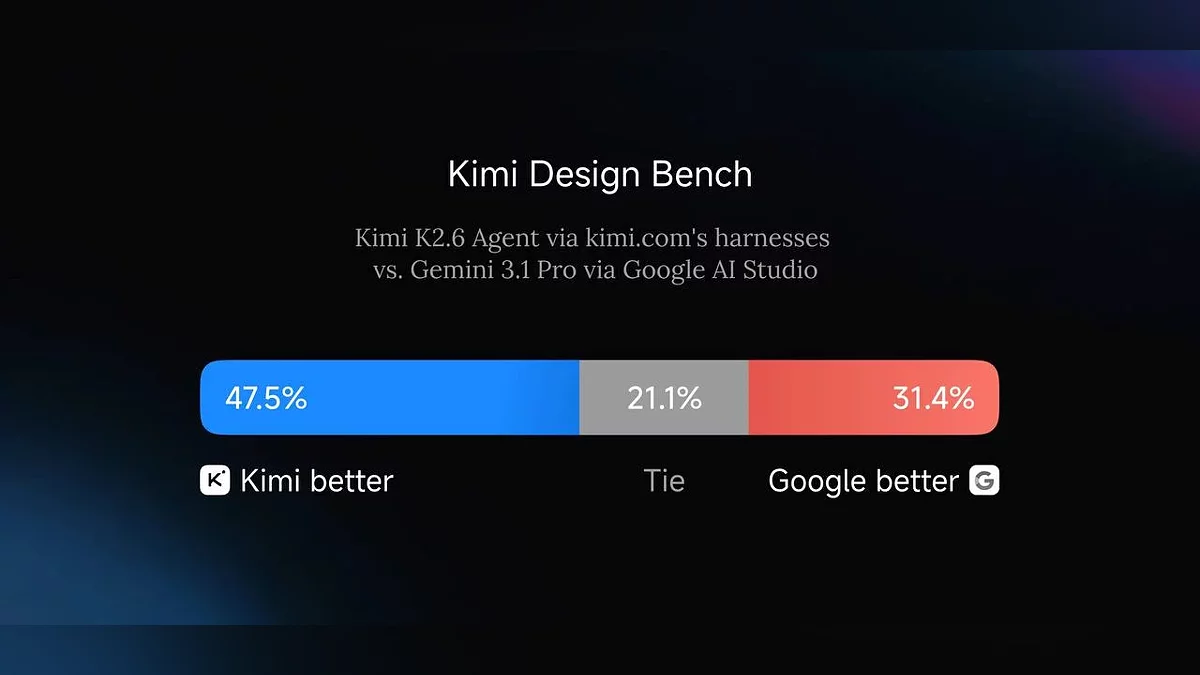
The race for the ultimate autonomous engineering agent has intensified significantly in 2026. Global development teams are moving away from basic chatbot windows. They now demand specialized, long-horizon developer tools. Moonshot AI recently altered this landscape by launching Kimi K2.7 Code. This trillion-parameter Mixture-of-Experts model focuses heavily on enterprise repository development.
Many software engineers are conducting a comprehensive kimi coding review today. They want to see if this open-weight architecture satisfies modern production demands. This comprehensive analysis outlines the vital technical tradeoffs. It maps out where the model shines and where it falls short. In contrast to hardware architectures like a driver attention monitor that tracks operator focus, this software layer deeply analyzes developer logic.
Here is our detailed analysis of Kimi for developers, highlighting seven distinct development strengths and three clear limitations.
7 Critical Kimi Coding Strengths for Modern Developers
Our hands-on kimi coding review confirms that the K2.7 architecture excels at multi-file engineering workflows. Here are the core strengths discovered during our platform evaluation.

1. Superior Economics for Agentic Workflows
The model is optimized natively for complex, autonomous developer pipelines. On the Moonshot API, input pricing sits at $0.75 per million tokens. Output tokens cost just $3.50 per million. These highly disruptive rates change the baseline economics of AI for developers. It makes continuous background programming swarms incredibly affordable.
2. High-Efficiency Deep Prompt Caching
Long-context programming sessions require reading massive codebases repeatedly. Kimi integrates aggressive, highly stable prompt caching mechanisms. Repeated context reads drop to a fraction of standard pricing tier costs. Just as an in cabin camera scans a cockpit continuously without restarting its internal baseline logic, this caching avoids processing the same code from scratch. This specialized architecture reduces the financial overhead of multi-turn file debugging loops down toward zero.
3. Reduced Token Overthinking Trajectories
A major focus in our performance evaluation was evaluating execution speed. Kimi K2.7 Code delivers stronger overall task completion than earlier model versions. Simultaneously, it reduces reasoning token consumption by approximately 30 percent. This optimization eliminates excessive computing lag during long-horizon engineering tasks.
4. Sprawling 256K Repository Context Windows
The model features an ultra-large 256K token context length. This expansive window is perfect for multi-file repository refactoring tasks. It allows autonomous agents to digest deep dependency trees without file truncation. Software engineers can safely feed entire code folders into the model.
5. High-Accuracy Visual-to-Code UI Generation
The native 400-million parameter MoonViT vision encoder provides top-tier multimodal performance. This layer adds unique value to front-end development tasks. Developers can submit full application screenshots or mockups. The model translates visual designs into pristine React components with highly accurate Tailwind layouts.
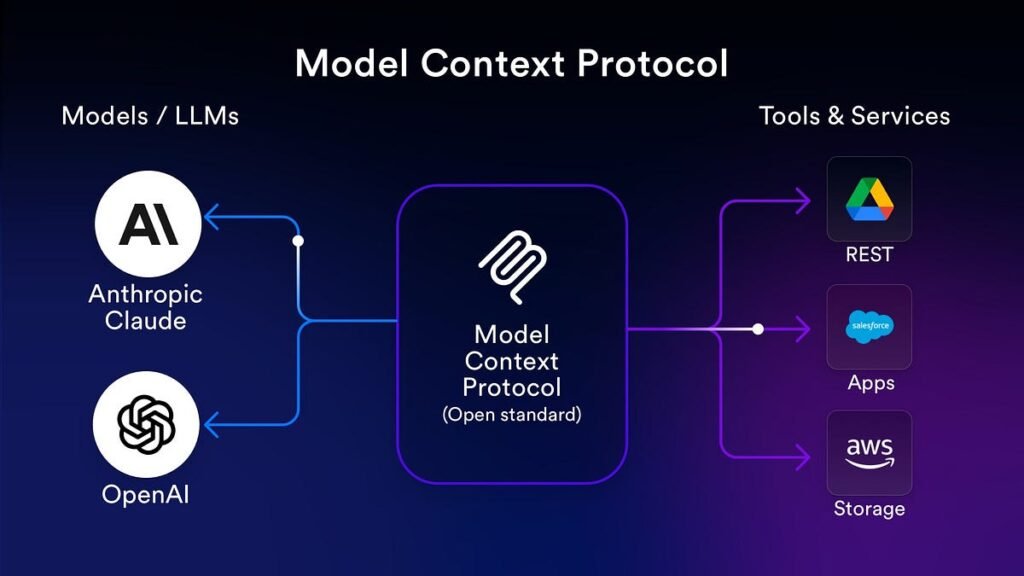
6. Native Model Context Protocol Tool Integration
The model demonstrates exceptional reliability during complex tool-calling sequences. It interfaces cleanly with external terminal execution sandboxes and file managers. Passing the tool call parser flag enables flawless multi-step tool execution loops. The system handles automated test execution smoothly. If you’re exploring which tools handle complex debugging pipelines most effectively, see our full guide on the best AI for solving coding problems available right now.
7. Private Deployment and Full Code Sovereignty
The most significant item in our list of engineering strengths is its open-weight distribution. Developers can download the model directly from Hugging Face via the Unsloth framework. This enables teams to self-host the intelligence on private cloud infrastructure. Your proprietary enterprise codebase never leaves your local network.
3 Significant Code Development Failures
A transparent, balanced technical breakdown must address structural bottlenecks. Our extensive testing exposed three distinct technical limitations for developers attempting to build robust software.
1. Rigid, Unalterable Sampling Configurations
The model forces a hardcoded generation environment. The base architecture restricts generation config parameters strictly to a temperature of 1.0 and top_p of 0.95. Any alternative API values trigger a processing failure. This limitation stops engineers from tuning the model for perfectly deterministic output styles. Before committing to a single model, engineers should use AI comparison tools to evaluate which platform best fits their specific configuration requirements.
2. Mandatory, Inescapable Reasoning Overhead
Kimi K2.7 Code operates exclusively as a thinking-only model. It enforces a strict preserve-thinking mode across every single API interaction. This always-on reasoning structure is exceptional for tracing deep logic errors. However, it adds unnecessary token consumption and processing latency when performing simple code formatting or linting tasks.
3. Enormous Local Infrastructure Hardware Demands
Hosting this massive trillion-parameter open-weight model locally requires immense corporate computing clusters. The raw model requires over 605 gigabytes of disk space. Even utilizing aggressive 2-bit quantization, it demands 325 gigabytes of system memory. This steep requirement restricts local execution away from standard desktop setups.
Technical Performance Matrix for Engineering Teams
This scannable table cross-references the core data points uncovered during our platform analysis.

| Evaluation Metric | Kimi K2.7 Code Specification | Operational Impact for Developers |
| Context Window | 256K tokens with native caching | Exceptional for repository-scale code analysis |
| API Cost Profile | $0.75 input / $3.50 output per 1M | Highly disruptive pricing for background software swarms |
| Core Architecture | Trillion-parameter MoE (32B active) | Blends frontier-level logic with efficient processing |
| Vision Subsystem | 400M parameter MoonViT encoder | Excellent for reverse-engineering UI layouts from screenshots |
| Thinking Mode | Mandatory always-on reasoning paths | Superior for deep logic; slow for basic syntax edits |
Final Strategic Verdict on Kimi K2.7 Code
The data gathered in our technical overview proves the model is not a generic chatbot. It is a highly specialized engine built for continuous developer automation.
If your company runs background programming agents at scale, its open-weight design offers unmatched code sovereignty. The token-efficiency gains make it a top economic option. However, if you only need quick, instant code edits without reasoning delays, traditional managed APIs remain faster.
For complete step-by-step setup scripts and advanced local deployment configurations, visit our developer resources at Openaihit.
Frequently Asked Questions
Is Kimi K2.7 Code fully open source on Hugging Face?
Yes, Moonshot AI hosts the model weights publicly under a Modified MIT license. Developers can download the GGUF or safetensors formats. This allows for deep local integration, model modification, and independent performance benchmarking.
How does the 30 percent thinking token reduction assist software development?
Autonomous coding frameworks consume thousands of tokens simply planning their architecture changes. By optimizing these reasoning loops, Kimi completes multi-file edits much faster. This architectural refinement slashes your automated API expenses.
Can I run Kimi K2.7 Code on a local computer workspace?
No, standard hardware cannot manage this model scale. It features a trillion total parameters. Running full precision requires multiple high-end enterprise GPUs. Even compressed versions require massive memory pools to function smoothly.
Which programming languages score highest under this engine?
The model performs exceptionally well on the MLS Bench Lite multilingual standard. It delivers strong results across Python, TypeScript, Rust, and Go. It tracks distinct framework rules accurately over long multi-turn chats.
Where can I access the recommended Kimi Code CLI?
Software engineers can download the official command-line interface tools and read complete system prompt integration guides directly via openaihit.com.