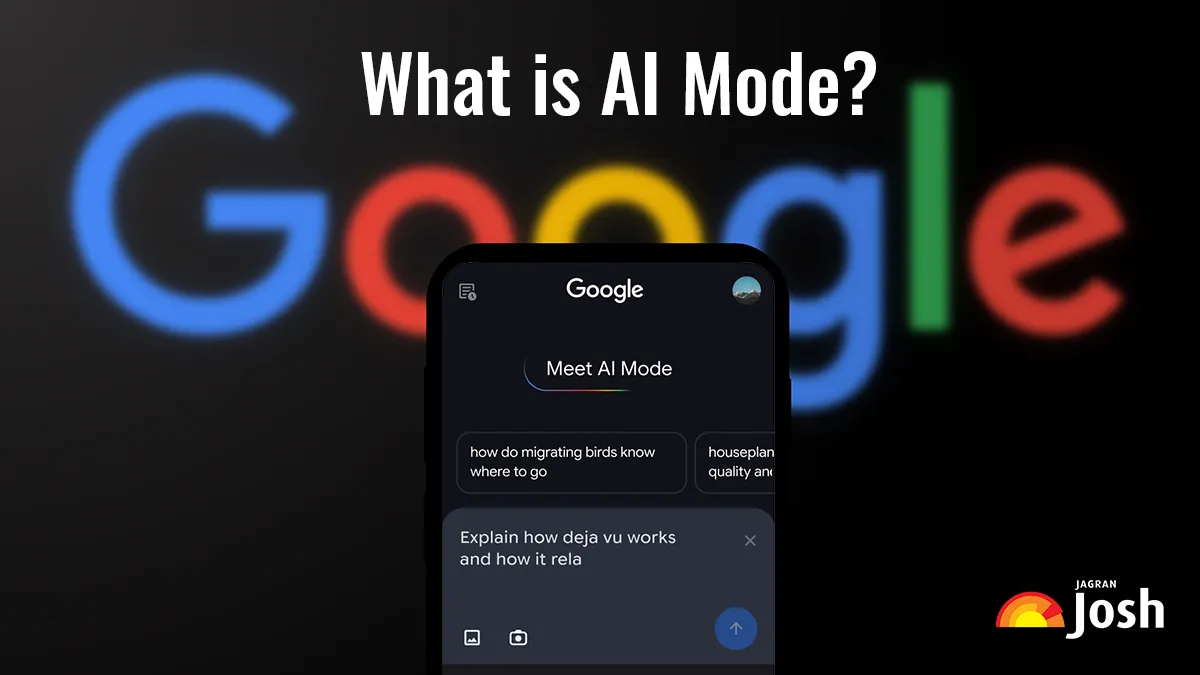
The mechanics of search engine optimization experienced a massive architectural shift with the wide rollout of Google AI Mode. This dedicated conversational tab, powered by advanced models, processes complex multi-turn user journeys that last far longer than traditional search sessions. For modern marketers, winning this landscape requires moving past basic keyword matching. In this comprehensive guide to entity seo google ai mode, we analyze how to transform your digital presence into a clearly defined, highly trusted node within the global Knowledge Graph database.
Succeeding in this new environment means training artificial intelligence engines to recognize your brand as an independent, authoritative concept. Implementing a precise entity seo strategy ensures that your organization remains the preferred cited source when AI Mode synthesizes complex answers for users. By shifting your focus from temporary search strings to permanent conceptual identities, you build deep algorithmic trust that protects your domain from sudden indexing drops and visibility fluctuations.
The Shift to Conversational Search Architecture
The introduction of the AI Mode tab completely alters how information is retrieved and presented to users. Traditional search systems focused heavily on matching exact string queries against indexed web text to serve a list of hyperlinks. Conversely, Google AI Mode acts as a sophisticated synthesis engine. It reads massive clusters of web documents, extracts the core concepts, and structures cohesive paragraph responses directly within the interface.
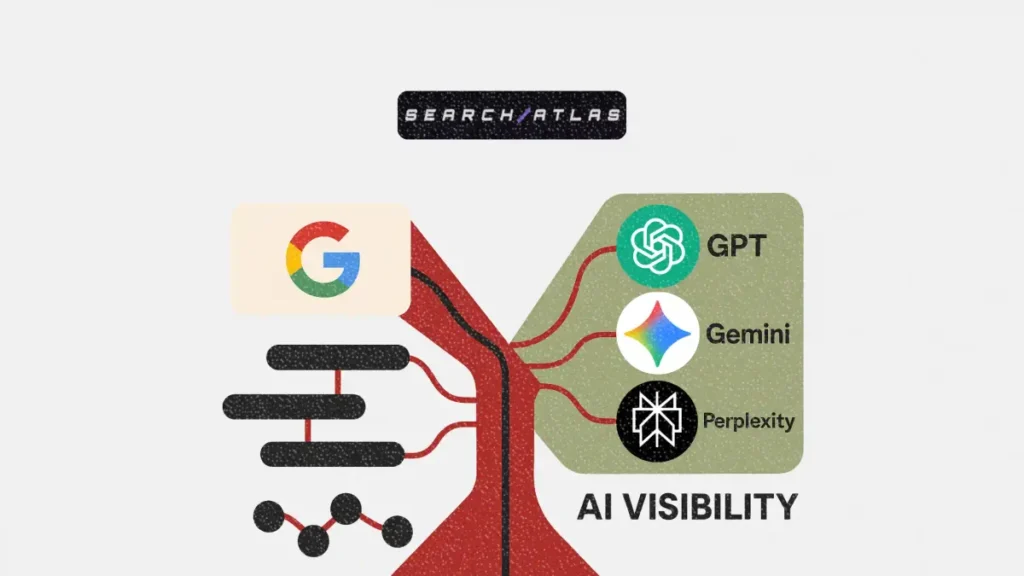
If your digital content lacks clear structural clarity, the underlying generative re-rankers will simply bypass your website. The real victory in modern organic marketing is no longer just ranking first, but becoming the trusted anchor citation within the AI response. Google AI Mode is not the only conversational engine evaluating entity signals, platforms similar to ChatGPT are applying equally sophisticated retrieval pipelines, making a unified entity SEO strategy essential across all AI search touchpoints. To capture high-volume impressions, publishers must write for both human readers and machine extraction tools simultaneously.
Understanding Brand Drift in Multi-Turn Sessions
Data tracking conversational search behaviors reveals that typical AI Mode interactions feature deep query fan-outs, often extending across 8 to 20 sub-queries in a single session. This introduces a challenging algorithmic phenomenon known as brand drift. An AI engine might cite a standard web page during the initial opening question because the text happens to match the query. However, by the third follow-up turn, the model frequently replaces that initial reference with a competitor that exists as a verified entity in the Knowledge Graph.
AI Mode continuously evaluates relational data across conversational turns. To maintain your visibility through an extended user session, you must establish an unshakeable connection between your brand name and your primary industry topics. When your platform consistently delivers contextually complete answers, the retrieval models retain your data throughout the user’s discovery journey.
Why Keywords Take a Backseat to Entities
An entity is any singular, unique, and well-defined concept, such as a specific person, business organization, physical product, or abstract idea. Keywords are simply the verbal phrases people use to search for those underlying concepts. Artificial intelligence platforms use entities to remove ambiguity from language, connect related ideas, and evaluate the qualitative trustworthiness of information. Shifting toward an entity-first framework protects your visibility from core algorithm updates because you are building systemic trust rather than optimizing for temporary algorithmic trends.
When search engines shift their indexing focus from text phrases to entities, traditional anchor stuffing loses its power. Algorithms now analyze how well your brand is associated with trusted industry concepts across independent external platforms. This holistic evaluation forms the foundation of modern search visibility.
Technical Pillars of an Entity SEO Strategy
Transforming a website into a recognized entity requires a highly deliberate approach to structured data and document architecture. AI engines require clear machine-readable signals to confidently map the relationships between your content pieces. The foundation of a modern entity seo strategy relies on explicitly declaring the attributes of your brand. You must ensure that every single digital asset you control broadcasts a unified, identical narrative across the web.
Advanced Graph Schema Implementation
Basic standalone schema deployments are no longer sufficient to secure a high AI Mode citation share. Your technical team must construct a fully connected JSON-LD graph that utilizes strict internal identity chaining.
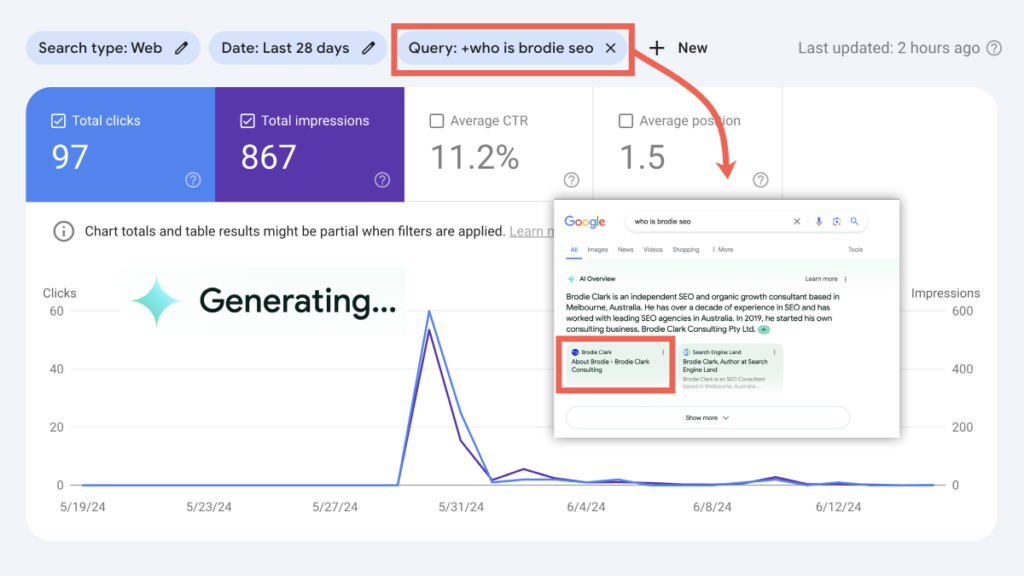
Your Organization, Person, Article, and Service schemas must link together through explicit identifier URIs. This structural linkage allows Google to map the exact relationship between the author of a piece of content, the company they represent, and the specific topics they cover.
Eliminating Ambiguity with External Linking
To help search engines definitively understand your identity, your schema markup should feature explicit external identifier properties. Utilizing the sameAs attribute to point toward verified independent data sources is highly effective. Linking your brand schema directly to your official Wikidata profile, Crunchbase page, or established industry registry profiles provides immediate clarity. This allows the algorithm to instantly anchor your website to an existing, trusted node within the global Knowledge Graph.
Cultivating True Entity Authority AI Mode Demands
Securing consistent citations within conversational answers requires developing deep topical depth. AI re-rankers systematically deprioritize anonymous brand copy or shallow, generic articles that lack real substantive proof. Building sustainable entity authority ai mode relies on presenting your insights in a highly organized format that language models prefer to extract. The system actively favors content that exhibits a clear, logical reasoning skeleton. Maintaining a tightly structured content calendar that consistently reinforces topical clusters and entity signals across publishing cycles is far more manageable when teams deploy AI tools for content planning to coordinate output at scale.
Constructing Reasoning Skeletons in Content
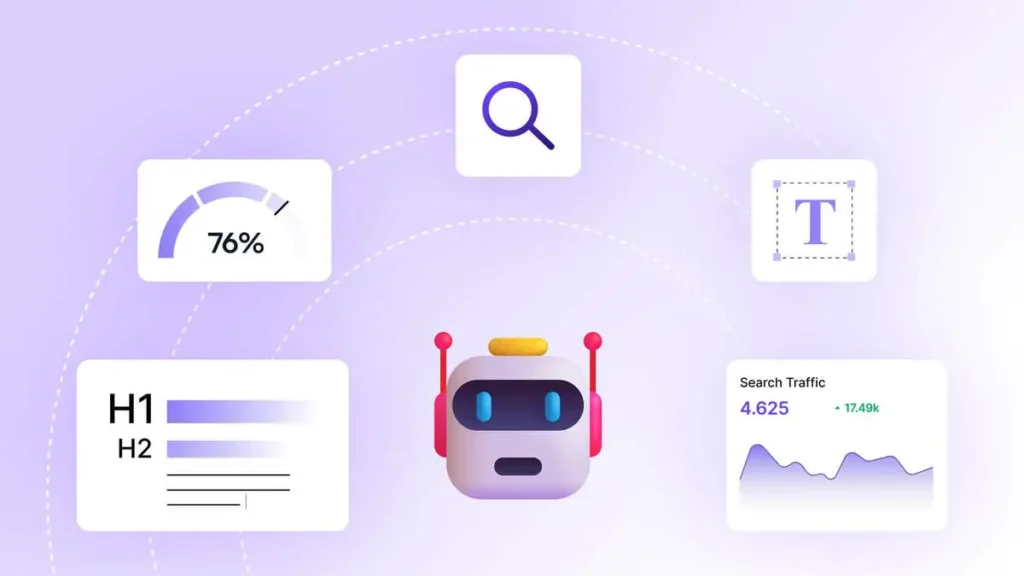
To make your informational assets highly extractable for conversational engines, organize your articles around a clear rhetorical progression. A highly scannable, optimized document flow should follow a strict structural pattern:
-
Direct Thesis Statement: Open with a clear, declarative answer within the first two sentences.
-
Underlying Mechanism: Explain exactly how the process works or define the core criteria immediately.
-
Concrete Evidence: Present real-world data points, proprietary studies, or mathematical metrics.
-
Inherent Trade-Offs: Discuss the limitations, alternative options, and specific exceptions honestly.
-
Definitive Conclusion: Summarize the core takeaway before proceeding to deeper exploration blocks.
This specific formatting sequence matches the internal reasoning patterns that modern AI applications apply when synthesizing answers. Documents written in this direct, analytical style are far easier for an AI model to summarize, pull into AI Overviews, and quote verbatim.
| Optimization Element | Traditional SEO Focus | AI Mode Entity Focus |
| Primary Goal | High Rank for Single Phrase | Verified Node in Knowledge Graph |
| Content Structure | Keyword-Rich Paragraphs | Answer-First Reasoning Skeletons |
| Technical Signal | Basic Isolated Meta Tags | Connected JSON-LD Identity Graphs |
| Trust Validation | Backlink Volume Metrics | Verifiable Author Credentials |
| Session Objective | Single-Click Website Traffic | Persistent Multi-Turn Citation |
Establishing Authoritative Author Entities
AI Mode places a high premium on verifiable, real-world author credentials to satisfy strict trust evaluations. Articles published under anonymous bylines or generic corporate marketing aliases routinely struggle to gain visibility during deep information-seeking user sessions. Every piece of thought leadership you produce must feature a consistent, clearly defined author profile.
This person should possess an established digital footprint across multiple authoritative publications, third-party databases, and academic networks. Connecting their personal entity details to your primary content layer instantly boosts the trustworthiness of your entire domain.
Action Plan to Build Brand Entity Status
Successfully executing a modern transition toward an entity-centric footprint requires an organized checklist of operational priorities. You must audit your current digital footprint before attempting to scale your content publishing efforts.
Monitoring Conversational Search Metrics
As conversational search platforms continue to capture a larger share of daily search volume, tracking standard organic keyword positions is no longer sufficient. Your marketing dashboards must adapt to monitor alternative brand visibility indicators.
Prioritize tracking your AI Mode Citation Share to measure the percentage of relevant conversational sessions that include your brand in the initial answer. Furthermore, measure your Turn Persistence to verify how frequently your content remains cited as users dive deeper into multi-turn follow-up questions.
Strategic Summary for the AI Era
The rapid transformation of the digital search landscape means that traditional keyword manipulation can no longer sustain market visibility. To capture meaningful organic presence, you must systematically train modern search engines to comprehend exactly who you are, what you produce, and why your team is highly qualified to speak on a topic.
By anchoring your platform around tight topical clusters, deploying highly advanced connected data graphs, and structuring your copy in direct, declarative formats, you ensure your organization remains eligible for top-tier extraction. Prioritizing entity clarity over keyword density protects your brand authority and guarantees long-term visibility within the conversational ecosystems of tomorrow.
To master more advanced generative engine optimization tactics and access cutting-edge strategies for growing your digital enterprise, explore the latest technical breakdowns available on Openaihit.
Frequently Asked Questions
What is the core difference between keyword SEO and entity SEO?
Keyword optimization focuses primarily on matching specific phrase strings within a single web document to rank on a list of results. Entity optimization focuses on establishing clear contextual meaning, mapping the relationships between concepts, and verifying your brand identity within global knowledge networks.
How does Google AI Mode evaluate content trust during search sessions?
The system judges content trust by examining verified author footprints, checking for connected structured data graphs, analyzing the presence of original data, and tracking unlinked brand citations across recognized industry news portals.
Should I completely stop optimizing my pages for traditional search keywords?
No, traditional search health remains a vital prerequisite for conversational search eligibility. Pages must be fully indexed, crawlable, and capable of generating solid baseline organic snippets before they can be considered for inclusion within AI Mode response frameworks.
What is the function of the Google-Extended crawler for AI Mode visibility?
The specialized Google-Extended crawler allows conversational engines to actively read, parse, and analyze your page copy for real-time answer synthesis. Blocking this crawler can cause your website domains to drop entirely out of conversational answer indices.
Can a small business website compete with giant enterprise brands in AI Mode?
Yes, conversational search re-rankers prioritize clear, direct answers that utilize a strong reasoning structure. A smaller, highly focused domain that provides cleaner, better-supported data blocks can easily out-cite a large enterprise site that relies on shallow or overly commercial copy.