
The question “Will AI change our life?” no longer sounds futuristic, and it now shapes many aspects of everyday routines. Today, artificial intelligence influences how people work, communicate, travel, and make daily decisions. Moreover, AI-driven systems operate silently in the background, enhancing convenience without drawing attention. Although the changes may appear subtle, they accumulate into a major shift in behavior, comfort, and efficiency.
Furthermore, modern AI learns continuously and adapts its predictions, which makes digital experiences increasingly precise. Even planning simple activities becomes smoother with intelligent tools that offer personalized suggestions. As these systems grow more capable, the answer to “Will AI change our life?” becomes clearer: AI is steadily reshaping the structure of modern living, often in ways people do not immediately notice.
Why Will AI Change Our Life at a Global Level?

Across the world, governments and industries rely on AI to improve infrastructure, healthcare, education, and public services. Consequently, nations view AI as essential for future development. It helps solve complex challenges, accelerates research, and strengthens economic growth. Additionally, AI supports organizations by boosting productivity and enabling smarter decision-making.
However, responsible adoption is crucial. Ethical frameworks, transparent practices, and strong data protection ensure that innovation does not compromise trust. When people ask “Will AI change our life?”, the evidence increasingly shows that it already has and it continues evolving responsibly when guided by proper governance.
Industries Already Showing How AI Changes Our Life
Below are major sectors where AI is creating significant change:
-
Healthcare: Early diagnosis, predictive insight, medical imaging
-
Education: Adaptive learning systems, automated assessments
-
Transportation: Smart routing, autonomous vehicle research
-
Finance: Fraud detection, algorithmic decision-making
-
Retail: Personalization, inventory automation
-
Travel: Efficient planning tools and tailored suggestions
Benefits Showing Why AI Will Change Our Life
AI provides various advantages across personal and professional environments.
-
Increased productivity and time savings
-
Faster decisions supported by real-time data
-
Better customer experience through personalization
-
Lower operational costs for organizations
-
Improved safety in high-risk industries
-
Broader access to useful information
How AI Influences Modern Travel and Exploration
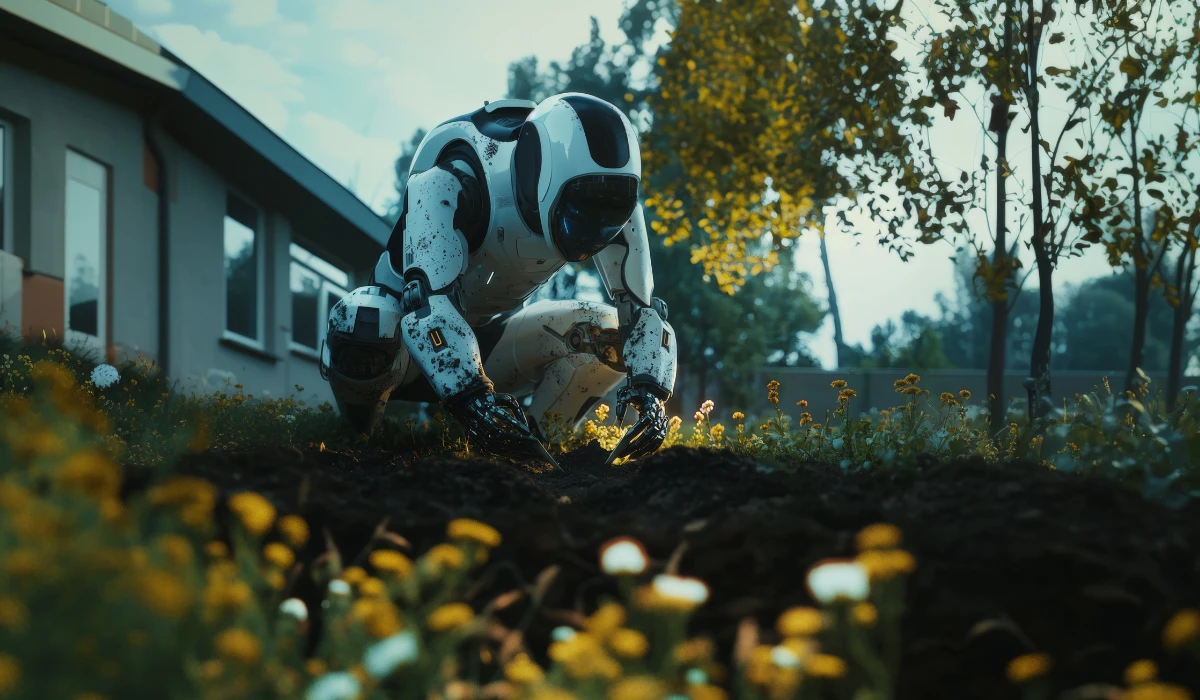
AI enhances travel by simplifying trip planning, comparing numerous options, and creating personalized itineraries. Additionally, travelers benefit from instant translations, real-time navigation, and culturally relevant recommendations. As a result, exploring new destinations becomes more enjoyable and efficient.
Moreover, AI helps uncover hidden attractions and supports travelers in making smarter choices. By offering tailored insights and optimizing routes, AI tools elevate the overall travel experience, making trips more efficient, enjoyable, and memorable.
The Role of AI Assistants in Decision-Making
AI assistants now help people manage tasks, organize schedules, and communicate more effectively. Additionally, these tools analyze habits and offer recommendations that reduce mental load and improve daily flow, making everyday life more streamlined and productive.
In workplaces, AI assistants summarize information, automate repetitive processes, and coordinate team activities. Therefore, they have become valuable partners for decision-making across multiple industries, enhancing productivity and allowing employees to focus on more strategic tasks.
Will AI Change Our Life Through Job Transformation?
The debate around AI and employment continues to grow. While automation may reduce certain tasks, it also creates new categories of work that require oversight, creativity, and analytical skills. Additionally, industries often redesign roles instead of removing them entirely.
Because of this, AI tends to transform jobs rather than eliminate them outright.Furthermore, history shows that technological progress often leads to new opportunities. Employees who develop digital skills and adaptability can transition into emerging fields. Therefore, the long-term impact of AI is more collaborative than competitive.
Ethical Considerations That Guide Responsible AI

AI development must prioritize fairness, privacy, and transparency. Additionally, developers and policymakers must address issues like bias, misinformation, and accountability. Governments are actively building guidelines to protect users while encouraging innovation.
AI’s Future Role in Smart Cities and Global Tourism
AI will significantly enhance how people experience cities and tourism. Smart infrastructure, predictive traffic systems, and automated safety measures will make urban life smoother. Additionally, travelers will enjoy more interactive and immersive experiences supported by digital guides and real-time insights.
-
Smart traffic systems to control congestion
-
Predictive management for public transport
-
AR-based cultural and tourism experiences
-
Virtual previews of destinations
-
Adaptive assistance based on traveler preferences
AI-Powered Education and Career Growth
Education will continue evolving as AI becomes more advanced. Students gain personalized support, and teachers receive analytics to identify learning gaps. Additionally, interactive tools make complex topics easier to understand.
-
Customized learning paths
-
Virtual simulations for practical training
-
Skill-mapping tools for career planning
-
Instant feedback for improved performance
-
Intelligent training systems in workplaces
Adapting to a Rapidly Changing AI Landscape
Individuals must stay aware of technological developments and strengthen their digital literacy. Additionally, adaptability, problem-solving, and continuous learning will help people remain competitive as AI expands across industries, ensuring they can navigate new tools with confidence.
Finally, understanding ethical considerations and responsible use ensures smoother integration between AI systems and society. This preparation allows individuals to benefit from AI rather than feel overwhelmed by its growth, fostering a balanced and informed approach.
FAQs
Will AI change our life?
Yes, it already influences communication, work, travel, and global development.
Is AI safe for everyday use?
Yes, especially when organizations follow ethical and security guidelines.
Will AI replace all jobs?
No. It will automate some tasks but also create new roles.