

Imagine you want to post an article focusing on a hard keyword, but before writing, you need to know clearly what Google is already ranking. You open the top-ranking pages, review their headings, see how different they are, check deeply what the user wants, find out related questions, and look for topics your other writers may have missed.
After reviewing several pages, you have plenty of information, but turning that research into a clear content brief can still take hours.
This is where Claude content brief prompts can become a very useful SEO helper in search. With the right prompts, you can use Claude to analyze search engine results pages (SERPs), identify common topics, understand user intent, find new thingsmissing points , arrange in order keywords, and change into new form competitor research into a useful and simple writing plan.
Instead of by hand yourself organizing every research finding, you can ask Claude to structure the information into a content brief that writers can follow before drafting an article.
AI Overview
Claude content brief prompts are set in good order guide that help Claude turn SERP research into can be used SEO content briefs. You can use these prompts to check deeply what the user wants, check rival pages, find missing topics, arrange keywords, find related questions, make an article structure, and make a content plan from your checking.
SERP Research → Search Intent Analysis → Competitor Review → Content Gap Analysis → Keyword Mapping → SEO Content Brief
Claude can help arrange and explain the meaning of the information you provide. However, it does not, by itself, correct live Google data in every setup. For trusted checking, give current SERP data, other sites’ content, related keyword research, or exports from your favorite SEO tools.
.Key Takeaways
- Claude helps turn SERP research into arranged and usable SEO content briefs.
- SERP analysis shows common topics, types of content, and common style among top-ranking pages.
- Search intent analysis makes sure content fits users’ needs and expectations.
- Competitor analysis helps find out,good and bad points and chances for better for improvement.
- Content gap analysis finds hidden things, unmatched questions, and missing information.
- Keyword mapping organizes primary and secondary keywords into related article sections.
- People Also Ask questions help identify relevant topics and frequently asked questions.
- A full-of-details SEO outline provides clear headings, talking points, and writing instructions.
10 Best Claude Prompts for Creating Content Briefs From SERPs

1. Claude SERP Analysis Prompt
Before creating a content brief, you need to understand the pages already appearing in search results. SERP analysis helps you identify the dominant search intent, common content formats, recurring topics, and potential opportunities to create something more useful.
Prompt:
“Act as an experienced SEO content strategist. Analyze the following SERP data for my primary keyword: [Insert Primary Keyword].
- The dominant search intent.
- The content formats appearing in the results.
- Common topics and subtopics.
- Questions addressed by competing pages.
- Differences between the competing articles.
- Potential content gaps and opportunities.
- Recommendations for creating a useful, search-focused article.
Why This Prompt Works
- Organizes SERP research into a clear analysis.
- Helps identify common topics and content patterns.
- Creates a foundation for the remaining content brief workflow.
2. Claude Search Intent Analysis Prompt
Understanding search intent is essential when creating an effective SEO content brief
Prompt:
“Analyze the search intent for the primary keyword [Insert Keyword] using the following SERP data: [Insert SERP Findings].
- What users are likely trying to accomplish.
- What information they expect to find.
- Which content formats appear most relevant.
- Which questions should be answered early in the article.
- What content angle would best serve the intended audience.
- What information would make the article more useful than a generic response.
Why This Prompt Works
- Helps align the content brief with user expectations.
- Supports better decisions about content format and structure.
- Reduces the risk of producing an article that targets the right keyword but answers the wrong question.
3. Claude Competitor Content Analysis Prompt
Competitor analysis helps you understand how existing pages approach the topic. By reviewing several relevant competitors, Claude can help you identify common themes, differences in coverage, useful examples, and opportunities for improvement.
Prompt:
“Act as a senior SEO content analyst. Analyze the following competing pages targeting [Insert Primary Keyword].
Competitor data: [Insert Competitor URLs, Headings, Summaries, or Extracted Content]
- Main topic and content angle.
- Target audience.
- Heading structure.
- Important subtopics.
- Examples and supporting evidence.
- Questions addressed.
- Potential strengths and weaknesses.
Why This Prompt Works
- Makes competitor research more systematic.
- Helps distinguish common topics from unique approaches.
- Provides useful insights for building a differentiated content brief.
4. Claude Content Gap Analysis Prompt
A content gap is not simply a keyword missing from a competitor’s article. It can also be an unanswered question, an incomplete explanation, a missing practical example, or a topic that deserves more attention..
Prompt:
“Perform a content gap analysis for [Insert Primary Keyword] using the supplied competitor content and SERP research.
Competitor research: [Insert Research]
- Important topics covered by most competitors.
- Relevant topics receiving limited attention.
- Questions that are unanswered or insufficiently explained.
- Practical examples that could improve understanding.
- Opportunities to add original insights or useful comparisons.
- Topics that should be excluded because they do not support the search intent.
Why This Prompt Works
- Finds opportunities beyond simple keyword comparisons.
- Helps prioritize useful additions instead of unnecessary sections.
- Converts research findings into actionable content recommendations.
5. Claude Keyword Mapping Prompt
Keyword research becomes more effective when every term has a clear purpose.
Prompt:
“Create a keyword map for an SEO article targeting the primary keyword [Insert Primary Keyword].
Primary keyword: [Insert Primary Keyword]
Secondary keywords: [Insert Secondary Keywords]
Related queries: [Insert Related Search Terms]
Search intent findings: [Insert Findings]
Proposed outline: [Insert Outline]
- Keyword or query.
- Search intent or user need.
- Recommended section.
- Key information the section should cover.
- Notes about keyword overlap or ambiguity.
Why This Prompt Works
- Connects keyword research with article structure.
- Helps writers understand where each keyword is relevant.
- Reduces unnecessary repetition and overlapping sections.
6. Claude People Also Ask Analysis Prompt
People Also Ask questions and related searches can reveal what users want to understand about a topic. Including relevant questions in your research can help you develop a more complete content brief.
Prompt:
“Analyze the following People Also Ask questions and related searches for [Insert Primary Keyword].
Questions: [Insert Questions]
Related searches: [Insert Queries]
SERP findings: [Insert Research]
- Questions that deserve their own H2 or H3.
- Questions that can be answered within an existing section.
- Questions suitable for an FAQ section.
- Questions that are repetitive or outside the article’s scope.
- Important questions that may require additional research.
Why This Prompt Works
- Helps identify relevant reader questions.
- Improves the completeness of the content brief.
- Supports a logical article structure without creating unnecessary sections.
7. Claude SEO Content Outline Prompt
After analyzing SERPs, search intent, competitors, and keywords, you need to organize your findings into a clear outline.
Prompt:
“Create a detailed SEO content outline for the primary keyword [Insert Primary Keyword].
Use the following research:
Search intent: [Insert Findings]
SERP analysis: [Insert Findings]
- One recommended H1.
- A logical sequence of H2 headings.
- Relevant H3 subheadings.
- Key talking points for each section.
- Questions each section should answer.
- Relevant examples, comparisons, or practical steps.
Why This Prompt Works
- Transforms research into a writer-friendly outline.
- Gives each section a clear purpose.
- Helps align keywords, user questions, and content gaps within one structure.
8. Claude Content Differentiation Prompt
When several competing articles cover the same topics, your article needs a clear reason to exist. Simply rewriting the same information with different wording is unlikely to provide meaningful additional value..
Prompt:
“Review the supplied SERP research and competitor analysis for [Insert Primary Keyword].
- Original examples and practical demonstrations.
- Clearer explanations of difficult concepts.
- Useful comparisons and decision-making guidance.
- Expert insights or first-hand experience.
- Original research or verified data.
- Step-by-step instructions.
- Common mistakes and practical solutions.
- Relevant information that competitors address poorly.
Why This Prompt Works
- Helps develop a distinctive content angle.
- Encourages useful additions instead of superficial rewriting.
- Gives writers practical direction for improving the article.
9. Claude Complete SEO Content Brief Prompt
Once the research is ready, you can combine everything into one document. This is where your earlier prompts become especially valuable because the findings can guide a structured brief instead of remaining scattered across notes and tables.
Prompt:
“Act as a senior SEO content strategist. Create a comprehensive content brief for an article targeting the following primary keyword: [Insert Primary Keyword].
SERP analysis: [Insert Findings]
Search intent: [Insert Findings]
Competitor analysis: [Insert Findings]
- Recommended SEO title.
- Suggested H1.
- Primary keyword and secondary keyword groups.
- Target audience and reader needs.
- Search intent and recommended content angle.
- Detailed H2 and H3 outline.
- Key talking points for every major section.
Why This Prompt Works
- Combines research into a single actionable document.
- Gives writers clear instructions before drafting.
- Helps standardize the content planning process across multiple articles.
10. Claude Final Content Brief Audit Prompt
Before handing the brief to a writer, review it for missing research, unclear instructions, irrelevant keywords, and unnecessary sections.
Prompt:
“Audit the following SEO content brief for [Insert Primary Keyword].
Content brief: [Insert Brief]
- Alignment with search intent.
- Relevance of primary and secondary keywords.
- Completeness of the H1, H2, and H3 structure.
- Coverage of important reader questions.
- Quality of the competitor and content gap analysis.
- Opportunities for meaningful differentiation.
- Clarity of instructions for the writer.
- Need for additional evidence or fact-checking.
- Relevance of internal linking suggestions.
- Repetitive, unnecessary, or off-topic sections.
- Unsupported assumptions or missing research.
Why This Prompt Works
- Identifies weaknesses before writing begins.
- Helps prevent vague or incomplete writer instructions.
- Establishes a repeatable quality-control process.
What These 10 Claude Prompts Help You Create
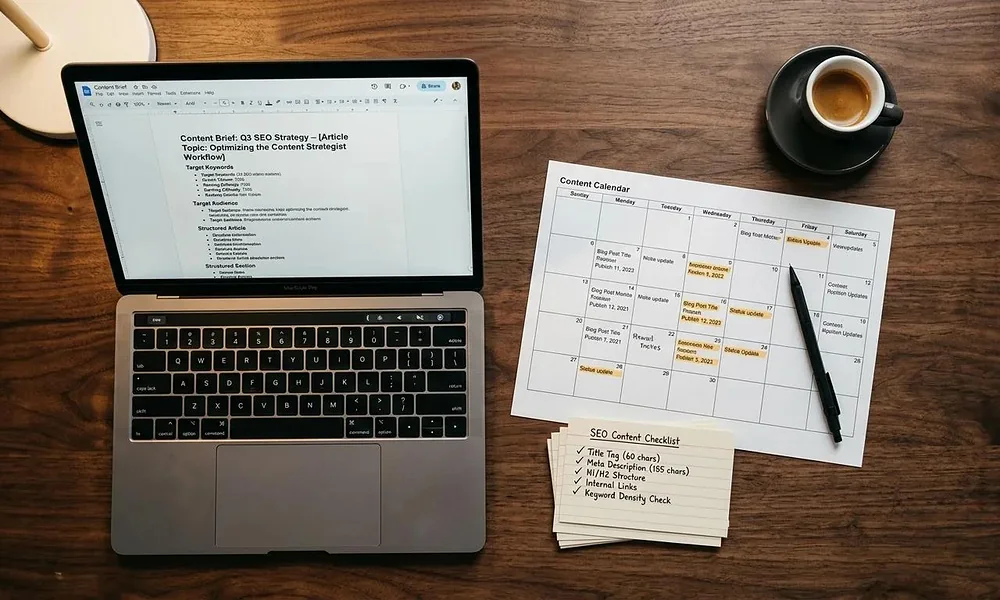
| Prompt | Best For | What It Helps You Discover | Recommended Output |
| SERP Analysis | Understanding search results | Common topics, formats, and patterns | SERP research summary |
| Search Intent Analysis | Understanding users | Reader needs and content expectations | Search intent summary |
| Competitor Analysis | Comparing ranking pages | Strengths, weaknesses, and content approaches | Competitor comparison |
| Content Gap Analysis | Finding missing information | Unanswered questions and coverage opportunities | Prioritized gap list |
| Keyword Mapping | Organizing keywords | Relevant keyword groups and section placement | Keyword map |
| People Also Ask Analysis | Understanding questions | Useful questions and missing answers | Question research report |
| SEO Content Outline | Planning article structure | Headings, talking points, and section purposes | Article outline |
| Content Differentiation | Creating unique value | Original angles and useful additions | Differentiation strategy |
| Complete Content Brief | Combining research | Keywords, intent, gaps, and writing instructions | SEO content brief |
| Final Brief Audit | Quality control | Missing information and unclear instructions | Improvement checklist |
1. Claude SEO Content Briefs

Claude SEO content briefs help content writers and SEO experts create detailed, good for google ranking article plans using Claude AI. These briefs usually have primary and secondary keywords, what users want, checking rival sites’ proposed titles, related topics, and frequently asked questions.
By making them clean and clear, Claude helps writers know what their articles should cover and what readers want to know. This can save research time, make content better arranged, and make sure important small points are not missed.
When combined with effective Claude SEO prompts, proper keyword research, and current SERP data, Claude SEO content briefs can help writers plan more relevant, comprehensive, and reader-friendly articles.
2. SERP Analysis Prompts

SERP analysis prompts are clear steps made to check search engine results pages (SERPs) and understand how other ranking sites cover one specific topic. These prompts can find search intent, common headings, related keywords, frequently asked questions, competitor content patterns, and possible missing content.
By providing current Google search results, competitor URLs, or copied page content, users can help Claude analyze relevant information and generate useful ideas for content planning.
This process helps writers understand what information is already on the internet and find chances to provide clearer explanations, benefits, and more complete answers. As a result, SERP analysis prompts can support better-informed SEO strategies and better content plans.
3. AI Content Brief
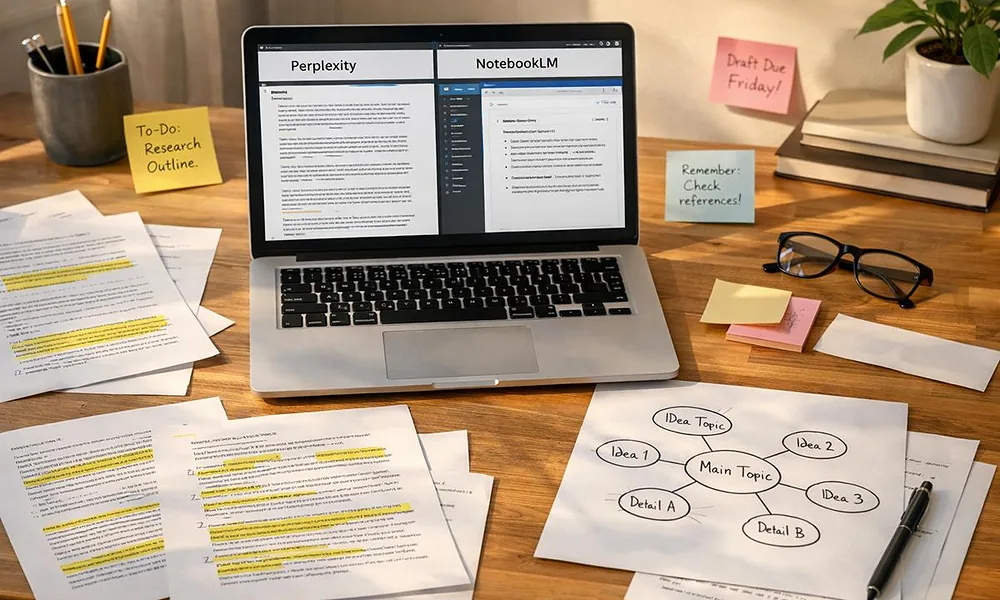
An AI content brief is a well-arranged file made with the help of AI to help the writing of an article. It normally has the primary keyword, secondary keywords, for whom you write, what the user wants, proposed titles, connected questions, info from other sites, and main points to write.
Claude can help turn keyword research and SERP findings into a well-arranged plan, making the work before writing quicker and better. A well-made AI content brief gives writers a clear guide before they start writing and helps keep the same style between the article’s purpose and what readers want.
However, the suggestions generated should be checked for accuracy, relevance to the topic, and usefulness. Using Claude prompts to humanize AI content can also help refine the wording and ensure the final article provides genuine value to readers.
Conclusion
Creating SEO content briefs from SERPs becomes more manageable when you divide the research into clear steps. Start by analyzing search intent and competing pages. Then identify content gaps, organize keywords, review relevant questions, and develop an outline that serves the reader.
The 10 Claude content brief prompts in this guide help you turn those separate research tasks into a repeatable content planning workflow. Use the complete SEO content brief prompt to combine your findings, then run the final audit before sending the brief to a writer.
The biggest benefit is not simply generating an outline faster. It is using structured research and effective Claude prompts for writing to make better decisions about what your article should cover, how it should be organized, and where it can provide additional value.
Frequently Asked Questions
What are Claude content brief prompts?
Claude content brief prompts are structured instructions that help Claude organize SEO research into a writer-friendly plan. They can cover search intent, competitor analysis, keyword mapping, content gaps, headings, questions, and editorial recommendations.
Can Claude create SEO content briefs from SERPs?
Yes. Claude can help create content briefs using SERP data you provide or information it can access through your particular setup. For reliable analysis, verify that the research is current and that the supplied information accurately represents the relevant search results.
What information should I provide to Claude for SERP analysis?
Provide the primary keyword, current ranking URLs, page titles, competitor headings, relevant content excerpts, secondary keywords, related questions, and any available keyword research. Adding your target audience and content goals can make the resulting brief more useful.
What is the difference between SERP analysis and competitor analysis?
SERP analysis examines the overall search results to understand search intent, ranking page types, and common patterns. Competitor analysis examines individual competing pages in greater detail, including their structure, coverage, strengths, weaknesses, and potential opportunities.
How many competitors should I analyze when creating a content brief?
Three to five relevant competitors are often a practical starting point. You can review more pages when the keyword is highly competitive or when the search results contain multiple content formats, provided the additional research remains relevant.
What is the best Claude prompt for creating a complete content brief?
The complete SEO content brief prompt is the best starting point when you already have SERP research, search intent findings, competitor analysis, keyword data, and content gap recommendations. It combines these inputs into one structured document with headings, talking points, keyword mapping, and editorial guidance.