
The digital marketing landscape experienced a massive shift after the rollout of the Google February 2026 Core Update. Traditional tactics that relied on scaling average content are no longer effective. Today, successful search engine optimization requires balancing traditional search rankings with visibility in artificial intelligence discovery engines.
The most effective SEO trends 2026 provides centers on Generative Engine Optimization (GEO) and Answer Engine Optimization (AEO). To rank on Google and secure citations in AI overviews this year, you must publish deeply original, human-verified content that provides unique information gain. Winning the search game now means optimizing your digital footprint so that both human searchers and large language models recognize your brand as the definitive authority.
1. The Rise of Generative Engine Optimization (GEO)
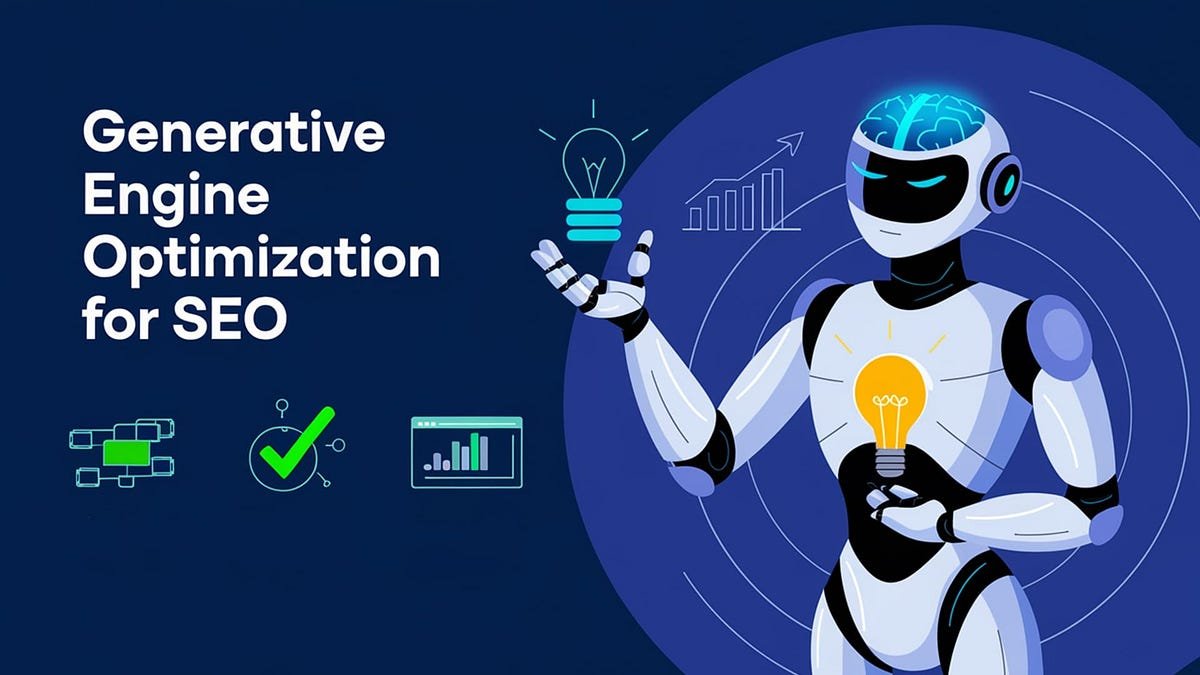
Traditional search engine optimization focuses on positioning your website within the classic ten blue links. In 2026, the strategy expanded to include how major artificial intelligence platforms index, synthesize, and cite your content.
When platforms like Google Gemini or Perplexity generate answers, they pull from web documentation. Getting your website cited as a primary source requires structural clarity and verifiable data. Based on industry data, pages that utilize direct answers, clear list structures, and explicit entity definitions see a significant lift in AI citations.
Structuring Content for Machine Synthesis
Large language models prefer scannable data. To assist these systems, you should use atomic answers. An atomic answer is a concise sentence of 30 to 45 words that directly answers a specific user query, placed right beneath an H3 heading. Applying this structural discipline at scale requires the right toolset. Our breakdown of how AI writing tools improve content structure for search engines explains how NLP-based writing assistants now analyze paragraph-level clarity and semantic flow directly supporting the kind of atomic answer formatting that generative engines prefer when selecting citation sources.
2. Tracking and Measuring Your Synthetic Footprint
You cannot optimize what you do not track. Traditional rank tracking software only tells part of the story in 2026. Forward-thinking digital publishers now monitor their Share of Synthesis, which measures how frequently a brand is cited across millions of automated user sessions.
To accurately gauge your performance across these platforms, you need specialized software. The industry has standardized around specific tools designed to measure and improve your digital footprint.
The Essential Tools for AI Search Visibility
Choosing the right technology helps ensure your layout and data architecture remain accessible to automated web crawlers. The following table breaks down the top tools utilized by modern agencies to monitor and improve machine readability.
| Tool Name | Core Purpose | Best Feature |
| LinkSurge | Tracking Share of Synthesis across LLMs | Combines traditional rank tracking with deep AI Overview analytics |
| Semrush AI Visibility Toolkit | Competitive intelligence for automated search | Monitors competitor citation share in conversational engines |
| Surfer SEO AI Tracker | Real-time content structure optimization | Analyzes structural information gain against top cited pages |
| Rankscale.ai | Automated schema and crawler health audits | Identifies script blocks preventing automated bots from parsing text |
Leveraging the best ai search visibility tools allows you to see the exact phrases triggering citations. If you want to see how your site performs during major algorithm shifts, deploying ai visibility tracking tools will show you exactly where your coverage drops or expands.
Digital teams use the top ai visibility tools for optimization to find gaps where competitors lack original data. By filling those gaps with original case studies, you establish your platform as a primary reference source. Using the leading ai visibility optimization tools helps ensure that your technical framework allows automated crawlers to crawl your pages without getting blocked by firewalls.
For publishers focusing heavily on conversational traffic, the best llm optimization tools for ai visibility highlight if your paragraphs are too wordy for an AI to summarize. Transitioning your focus toward the best ai optimization tools for visibility ensures that your editorial team spends time creating high-value data tables rather than chasing outdated keyword density metrics. Ultimately, utilizing the best ai tools for enhancing visibility is the fastest way to maintain steady traffic levels in a zero-click search environment.
3. Prioritizing First-Hand Experience and Brand Journalism
The February 2026 Google Core Update made one thing clear: generic information repeating what is already on the web will lose ranking positions. Google updated its ranking systems to prioritize unique insights rooted in real world human experience.
This shift has made brand journalism an essential component of modern content strategies. Instead of rewriting existing articles, authors must incorporate unique perspectives, interview industry professionals, and present proprietary data.
Practical Ways to Demonstrate Experience
-
Include original images and videos showing a product or process in action.
-
Insert quotes from verified internal or external subject matter experts.
-
Share specific details regarding testing environments, failures, and actual metrics.
-
Maintain comprehensive author biography pages that link out to established professional social channels.
4. Technical Optimization for Modern Web Crawlers
An excellent article provides no value if automated search crawlers cannot access the text. Technical optimization in 2026 requires balancing fast page loads for human users with frictionless access for automated web indexers.
Many publishers accidentally block conversational search bots using overly aggressive firewall rules or complex JavaScript rendering. Ensuring your technical infrastructure remains completely transparent is crucial for maintaining digital presence.
Maximizing Accessibility for Search Crawlers
Ensure that your robots.txt file explicitly permits access to verified user agents such as GPTBot and PerplexityBot. Avoid placing critical textual insights behind complex interactive scripts or multi-step accordion elements that require user interaction to render. Clean, semantic HTML hierarchies remain the most effective way to present data to modern indexing systems.
5. Transitioning to Search Everywhere Optimization
Search behavior has diversified significantly over the past year. Users are no longer relying solely on a single text box to discover platforms, products, or services.
They are actively searching inside digital video platforms, professional networks, community forums, and specialized applications. A modern search strategy must extend far beyond a single website to build a resilient online footprint.
Building a Multimodal Footprint
Creating an omnichannel strategy involves repurposing written information into high-quality digital video clips for platforms like YouTube. Optimize your video descriptions with accurate transcripts, timestamps, and descriptive summaries. This approach ensures that your content surfaces whether a user conducts a traditional text search, voice query, or visual image search.
Conclusion
Succeeding with search engines in 2026 requires moving past basic keyword matching and focusing heavily on technical transparency, authoritative data structures, and verifiable human experience. By aligning your optimization strategy with both modern user intent and automated discovery engines, you can protect your digital assets against volatile algorithm shifts.
For deeper insights, technical breakdowns, and strategies regarding advanced visibility frameworks, explore the latest resources available on openaihit to stay ahead of the digital curve. Get the full GEO implementation checklist on openaihit.com.
Frequently Asked Questions
What is Generative Engine Optimization (GEO)?
GEO is the process of optimizing web content so that artificial intelligence platforms can easily read, understand, and cite the information in automated search summaries. This technique emphasizes structural clarity, factual accuracy, and explicit entity definitions over standard keyword density.
How did the February 2026 Google Core Update affect websites?
The February 2026 Core Update focused heavily on content depth, brand trust, and genuine human experience. Websites relying on thin content or automated rewrites without original value saw significant visibility drops, while authoritative sites with clear author credentials gained traction.
Why are structured tables important for AI search rankings?
Automated search indexers favor structured data formats like tables because they allow systems to extract comparative information instantly. Presenting clear metrics and comparisons in a clean tabular layout increases the likelihood of earning a featured citation or AI summary inclusion.
Should I block AI crawlers from indexing my website?
Based on available industry data, blocking AI crawlers protects your text from being used in training models but completely eliminates your visibility in modern conversational search summaries. For most brands, permitting verified bots to access your pages is essential for generating modern referral traffic.