
Key Takeways
- Answer-first content structure (direct answers after headings)
- Strong use of specific entities (clear names, places, brands)
- Topical authority built through clustered interlinked content
- Question-based headings matching real user queries
- Verified facts with explicit sources and citations
- Clean, structured pages optimized for machine readability and extraction
The search landscape has shifted toward synthesized, dialogue-based responses following the February 2026 Google Core Update. For publishers, the ultimate goal is now learning how to get cited in google ai mode to capture high-intent traffic that traditional search listings no longer reach. Appearing as a citation tile within this interactive layer requires a departure from old-school SEO toward a model focused on information density and machine-readability. Successful pages must offer clear structural patterns that allow Google’s retrieval-augmented generation (RAG) systems to extract data without ambiguity.
Google AI Mode is an interactive, conversational search layer that replaces traditional listings with a synthesized, dialogue-based response. Appearing as a citation tile within this interface requires specific optimization strategies. Grounded in algorithmic data, it is estimated that successful pages share clear structural and contextual patterns.
AI Overview
The article explains how Google AI Mode cites pages based on structured, answer-first content. It highlights 8 key factors: direct answers, strong entity usage, topical authority clusters, Q&A headings, factual sourcing, clean UX, conversational tone, and content freshness
It emphasizes machine-readable formatting, schema markup, and modular content blocks designed for AI extraction and citation in conversational search systems
The Architecture of AI Mode Citations
Understanding how Google selects its informational sources is the first step toward optimization. AI platforms do not read content the way humans do. Instead, they extract information blocks based on machine readability, entity connection, and factual confidence.
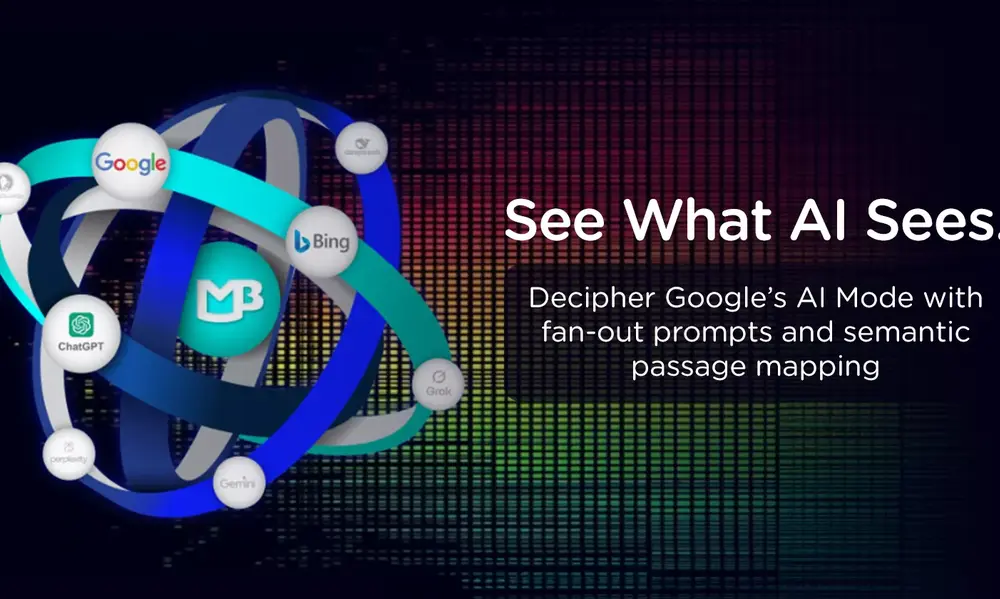
To help your brand stand out, we analyzed successful digital layouts at openaihit. We discovered that successful platforms utilize precise, structured formats to win automated placements.
The Contrast Between AI Features
It is critical to distinguish between standard AI Overviews and the immersive AI Mode interface. While Overviews appear at the top of standard results, AI Mode is a user-activated conversational space where ai mode citations are the primary currency of visibility. Our research indicates that less than 11% of cited links overlap between these two features, meaning you need a specific strategy for conversational discovery. To secure ai mode citations, publishers must prioritize technical clarity and the elimination of conversational filler that complicates the extraction process.
8 Core Attributes of Cited AI Pages
Winning a citation requires a blend of user-centric writing and machine-readable infrastructure. Here are the defining elements found on pages that dominate the conversational search frontier.
1. Direct, Answer-First Formatting
Pages that win placements do not hide information behind long introductions. By using a structural hierarchy where a direct answer card follows every question-based heading, you satisfy the engine’s need for efficiency. This formatting allows the engine to cite your brand as the definitive source for a specific query without having to parse irrelevant text.
2. High Density of Recognized Entities
Google’s knowledge graph relies on specific entities, brands, people, and exact locations. Pages optimized for ai mode optimization avoid vague language like “the top tech brands” and instead name specific entities like “OpenAI” or “NVIDIA.” This provides the raw data points necessary for an AI to summarize your content with high confidence, leading to more frequent citations.
3. Clear Topical Authority Clusters
An isolated, single article rarely qualifies for conversational citation. Google evaluates expertise on a topic-by-topic basis. The platforms that succeed build comprehensive topic clusters. This involves creating a main resource hub and linking it to multiple supportive articles that address specific, long-tail subtopics. This interconnected web of internal links proves to the search algorithm that your domain has comprehensive depth in a specific niche.
4. Direct Q&A Alignment
More than half of the queries triggering AI experiences are now phrased as natural questions. By aligning your subheadings with these real-world user entries, you make your content the most relevant match for the engine’s retrieval loop. This alignment is a fundamental pillar for anyone trying to get into ai mode ahead of their competitors.
5. Explicit External Factual Sourcing
Trust is the most significant ranking signal in the current era. When presenting statistics or technical specs, top-performing pages cite high-authority industry databases directly within the text. This allows the AI to cross-check your statements, increasing the likelihood that your content will be selected as a verified reference.
6. Clean, Uncluttered Page Experience
Technical clarity directly impacts how easily a site can be indexed and read. Pages optimized for get into ai mode ensure that their main text is clearly separated from peripheral elements like ads, pop-ups, or heavy sidebars. High visual latency or intrusive design elements can prevent automated search bots from parsing text blocks accurately during rapid crawl cycles.
7. Conversational, Expert Tone
The style of writing matters immensely. Google favors content that balances deep personal experience with accessible language. Writing in a clean, natural, human voice—while avoiding corporate jargon or repetitive keyword stuffing—makes the information easier to synthesize. This natural style ensures your text blends seamlessly into conversational search summaries.
8. Rigorous Information Maintenance
Freshness remains a critical citation signal. The internet moves fast, and out-of-date statistics are quickly dropped from automated summaries. Sites that consistently win placements maintain a strict content refresh calendar. Updating examples, refreshing old data, and adding new insights ensures the content remains highly relevant to current search trends.
Summary of AI Optimization Criteria
The table below outlines the core differences between traditional web optimization and the specialized technical requirements needed to excel at ai mode optimization.
| Optimization Element | Traditional SEO Focus | AI Mode Optimization Focus |
| Content Structure | Long narrative paragraphs | Answer-first blocks with data tables |
| Heading Format | Stylized, creative titles | Direct, question-based headings |
| Keyword Strategy | Fixed keyword placement | Natural entity relationships |
| Trust Signal | Inbound backlink quantity | Verifiable factual citations & E-E-A-T |
| Primary Metric | Organic keyword rankings | Extraction and citation rate |
Implementing Machine-Readable Infrastructure
To successfully transition your digital strategy toward answer optimization, you must adjust how information is presented on the page. At openaihit, we focus heavily on making sure every blog post is both human-friendly and machine-readable.
Leveraging Semantic Schema Markup
Structured data is the primary language used to explain your content’s context to search engines. Implementing JSON-LD schema markup removes algorithmic ambiguity. By applying explicit FAQ, Article, and Product schema tags, you give search engines clear labels for every data point on your page. This automated labeling gives algorithms the confidence needed to serve your site as a trusted source.
Designing Content for RAG Extraction
When optimizing your digital platforms, think of your articles as a collection of modular data blocks. Every section should be self-contained and logical. If an algorithm extracts an H2 heading and its subsequent paragraph, that text must make perfect sense on its own. Avoiding vague pronouns like “this software” or “our approach” ensures that extracted blocks retain their full context when displayed inside conversational search interfaces.
Tracking Strategic Success Metrics
Shifting your focus to ai mode optimization means you need to look at performance data through a new lens. Traditional rank tracking tools do not fully capture your visibility inside conversational search landscapes.
Monitoring Search Console Performance
To see how well your optimization efforts are paying off, keep a close eye on your Google Search Console reports. Look specifically for queries that generate high impression volumes but show lower traditional click-through rates. This pattern often indicates that your content is being extracted to answer user queries directly on the search page. Furthermore, modern platform updates now provide native AI performance insights to help site owners track exact brand mentions within automated summaries.
Analyzing Competitor Placements
If your brand is currently omitted from a conversational summary, study the sites that are winning those citations. Analyze their paragraph lengths, note the exact entities they mention, and look at how they structure their data tables. Identifying these content gaps allows you to refine your own pages, inject unique perspectives, and position your domain to reclaim those high-value citation blocks.
Conclusion
Succeeding in the modern search era requires a commitment to clarity, proper structure, and deep topical expertise. By formatting your pages to offer direct answers, using precise entity language, and maintaining strong technical standards, you can dramatically improve your chances of how to get cited in google ai mode.
At openaihit, we recognize that the future of digital visibility belongs to platforms that serve both human audiences and conversational discovery systems. Focus on building clean, authoritative, and structured content hubs to ensure your brand remains a primary source in this new conversational frontier.
Frequently Asked Questions
How to get cited in google ai mode?
To get cited, place a direct 50-word answer immediately beneath a question-based heading and ensure your page uses correct FAQ and Article schema markup.
What are the main requirements for ai mode citations?
The requirements include a machine-readable layout, high entity density, and cross-verified factual data that the AI can easily extract.
How does a site get into ai mode over its competitors?
A site wins by offering the most extractable and accurate “Atomic Answer” that matches the user’s conversational intent better than generic alternatives.
Is keyword stuffing helpful for ai mode optimization?
No, keyword stuffing is penalized; instead, focus on natural entity relationships and semantic clarity to improve your citation potential.