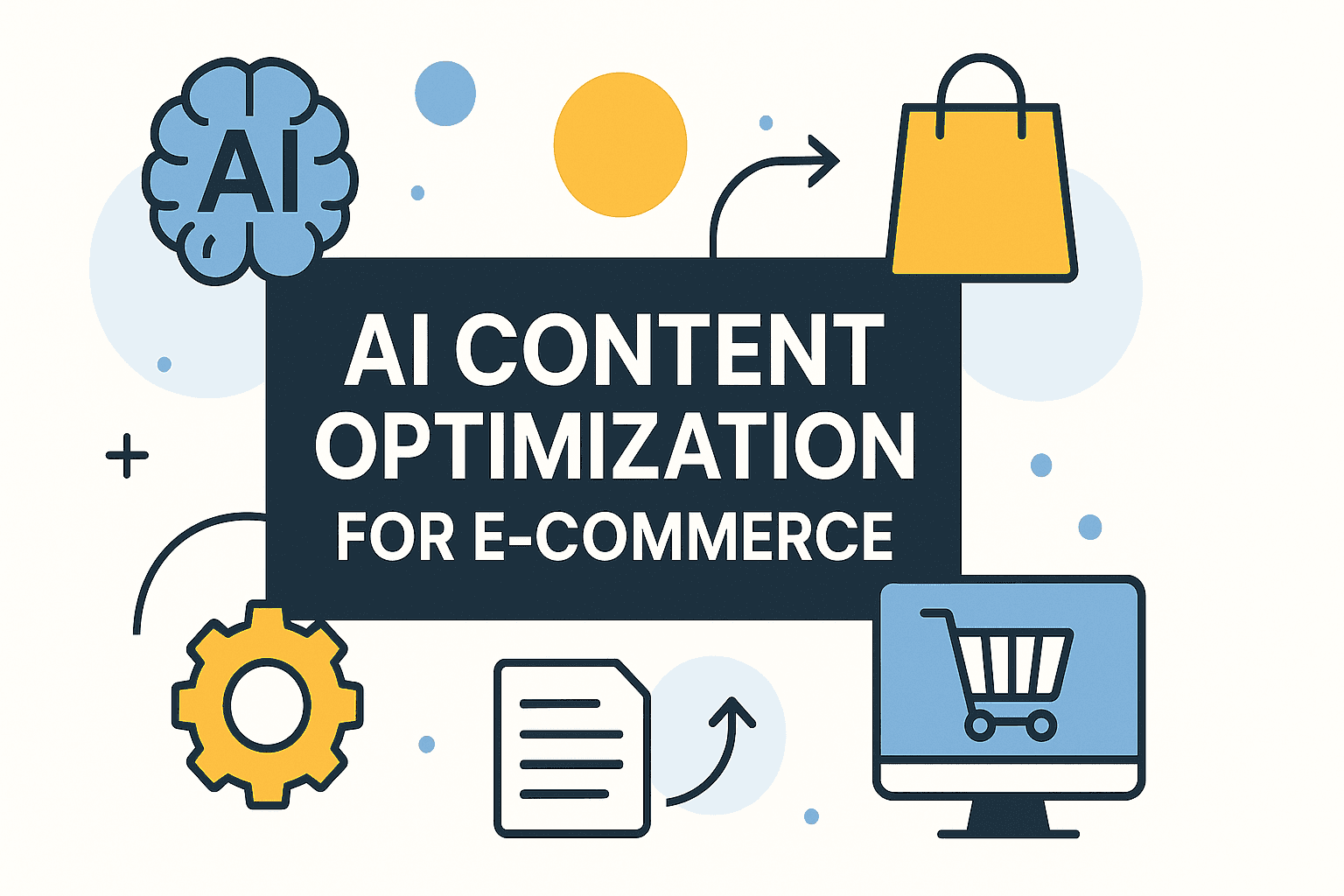
Maintaining an e-commerce catalog is a constant battle against time. As inventory shifts, consumer search habits change, and search engines update their systems, product descriptions and category pages quickly lose their edge. For large online stores, updating hundreds of stale pages manually can take weeks of tedious work. However, implementing modern ai content optimization ecommerce workflows changes the game completely.
Based on current 2026 data, engineering workflows allow you to refresh outdated descriptions, fix broken internal links, and inject high-performing keywords across hundreds of pages concurrently. By leveraging an ai page refresh tool, smart retail brands are processing massive catalogs in a fraction of the time. This article breaks down exactly how to execute a bulk refresh of 200 pages in a single day while maintaining high quality and avoiding search penalties.
The Operational Reality of Automated Catalog Updates
Updating e-commerce content at scale requires a systematic approach. You cannot simply point a basic AI model at your website and hope for the best. To protect your search engine visibility and maintain brand consistency, the upgrade process must follow a structured pipeline.
An effective content refresh automation 2026 framework uses programmatic rules to evaluate your existing content library, spot performance drops, generate precise text revisions, and export the fresh data directly into your e-commerce platform.
The table below highlights the operational differences between the traditional manual editing workflow and an automated AI-driven refresh.
| Content Update Attribute | Traditional Manual Workflow | AI-Driven Automation Workflow |
| Processing Speed | 5 to 10 pages per day per editor | 200+ pages per day per system |
| Data Prioritization | Guesswork or manual spreadsheet sorting | Automated scoring based on traffic and conversion drops |
| Brand Voice Control | Inconsistent across multiple human writers | Standardized via global programmatic style rules |
| SEO Keyword Injection | Manual research and placement per page | Real-time semantic keyword blending across all targets |
The Step-by-Step Blueprint to Update 200 Pages in One Day
Achieving a true ecommerce seo ai update across hundreds of URLs in a single day requires dividing the project into distinct, manageable operational steps.
Step 1: Export and Audit Your Low-Performing URLs
Your first move is to identify exactly which pages need help. Instead of modifying your entire site, focus on pages suffering from content decay. Download your full product catalog and product description URLs from your content management system (CMS), such as Shopify, Magento, or WooCommerce.
Cross-reference this list with your analytics data to locate product pages that have seen a drop in organic impressions or click-through rates over the past quarter. Gather these targets into a single file, ensuring you include the current product title, existing description, and primary target keywords for each item.
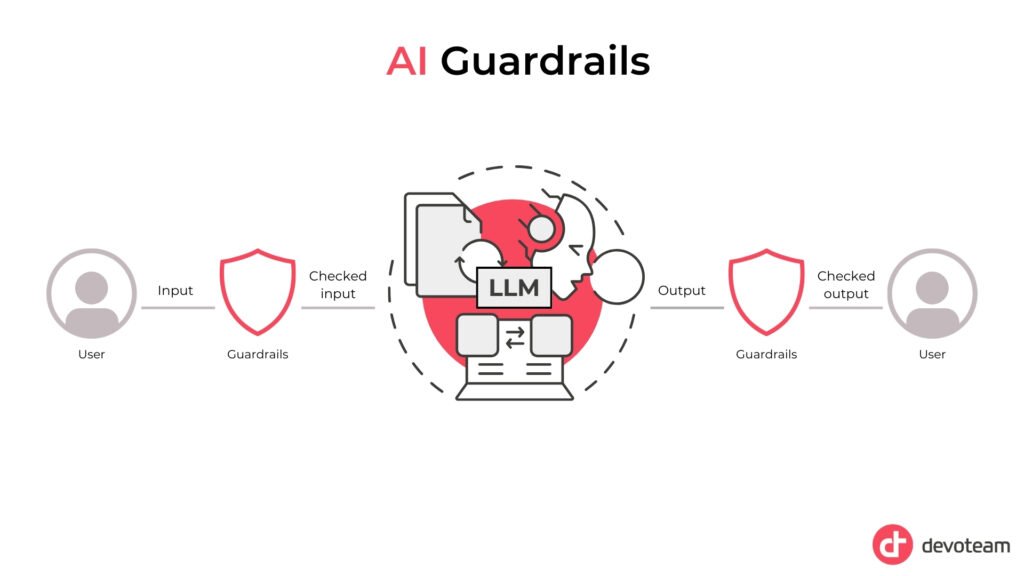
Step 2: Configure Your Global AI Guardrails
To ensure your bulk content optimization ai efforts do not produce generic, robotic text, you must establish strict guidelines before running the automation. These programmatic rules act as boundaries for the AI.
By enforcing these constraints, the generated copy remains clean, concise, and tailored to human shoppers. This alignment is critical for passing the rigorous quality standards enforced by modern search engine algorithms.
Step 3: Run the Programmatic Optimization Batch
With your target URLs selected and your parameters established, upload your spreadsheet into your chosen optimization tool. The AI will scan the existing copy on each page, compare it against current search trends for the product category, and rewrite the text to improve clarity and relevance.
During this phase, the tool automatically integrates missing semantic phrases, fixes structural heading issues, writes updated meta titles, and builds helpful product feature lists. Processing 200 pages through an API pipeline typically takes less than an hour of computing time.
Step 4: Execute a Rapid Quality Review
Never publish programmatic content updates without human oversight. Divide your 200 generated drafts among your team or handle them systematically yourself. Because the AI has already taken care of the research, formatting, and keyword placement, your review focuses solely on factual accuracy and brand alignment.
Look closely at product dimensions, material specifications, and compatibility details to ensure the AI did not hallucinate incorrect technical data. An experienced reviewer can easily check and approve 30 to 40 optimized short-form pages per hour.
Step 5: Bulk Import Back into Your CMS
Once your team reviews and approves the updated text, export the polished data into a clean CSV file. Use your platform’s native import tool or a secure database application to upload the new descriptions back into your e-commerce storefront.
Within a few minutes, all 200 pages will display fresh, helpful, and highly relevant content to both your human visitors and search engine web crawlers.
Avoiding Common Pitfalls in Mass Content Updates
While scaling your publishing speed is highly efficient, mass automation comes with hidden risks if handled improperly. To maintain your hard-earned domain authority, keep these three structural principles in mind:
-
Preserve Successful Content Elements: If a product page already ranks in the top three positions for its primary keyword, do not rewrite it completely. Configure your tools to leave high-performing sections untouched while refreshing only the outdated statistics, broken links, or old seasonal references.
-
Prevent Keyword Stuffing: Forcing too many terms into a short product description ruins readability and harms your search visibility. Ensure your keywords blend naturally into the helpful descriptions of the product’s actual features and real-world benefits.
-
Maintain Uniform Product Details: Always double-check that your automated updates match your central inventory database. Displaying conflicting shipping terms, color options, or technical specifications creates customer confusion and drives up return rates.
By balancing algorithmic speed with careful human verification, your e-commerce store can adapt to changing market trends ahead of your competitors.
Conclusion
Embracing ai content optimization ecommerce strategies transforms catalog maintenance from a costly operational bottleneck into a fast, repeatable growth engine. Utilizing a dedicated ai page refresh tool allows retail brands to update 200 underperforming product or category pages in a single afternoon. This approach keeps your product descriptions fresh, accurate, and perfectly aligned with modern search behavior.
The secret to scaling successfully lies in combining programmatic efficiency with strict quality guardrails. Setting clear brand voice rules and conducting quick human reviews ensures your content remains engaging for real shoppers while sending strong freshness signals to search platforms. To discover more cutting-edge strategies regarding automated workflows, advanced e-commerce tech stacks, and AI-driven growth tactics, dive into the latest guides on openaihit.com.
Frequently Asked Questions
Will updating hundreds of e-commerce pages with AI cause a search engine penalty?
No, modern search engines do not penalize content simply because it was created or updated using artificial intelligence. Search algorithms prioritize the helpfulness, accuracy, structure, and overall value of the information. As long as your updated pages provide genuine utility to shoppers and avoid repetitive keyword stuffing, your site remains perfectly safe.
Which tools are best for executing a bulk e-commerce content refresh?
The ideal choice depends entirely on your current tech stack. Dedicated platforms like auto-post.io specialize in automated content decay detection and bulk page rewrites. For enterprise stores running custom content management systems, connecting tools like Jasper AI or Surfer SEO directly to your database via an API offers the most flexible, custom-tailored workflow.
How frequently should an online store run an automated content refresh?
A great approach is to audit your primary revenue-generating pages every six months. For massive retail stores with thousands of shifting inventory items, setting up continuous monthly tracking allows your system to automatically flag and update pages showing signs of traffic loss or content decay.
What details should be included in an automated e-commerce optimization prompt?
Your system prompt should always include the exact product name, the target audience, the desired word count limit, specific formatting rules, a list of mandatory target keywords, and clear instructions to preserve all accurate technical specifications.