The era of traditional rank tracking is undergoing a massive shift. In 2026, checking your Google blue-link positions is only giving you a fraction of the picture. With over 35% of consumers now discovering products and services directly inside conversational interfaces, mastering Generative Engine Optimization (GEO) has become a necessity.
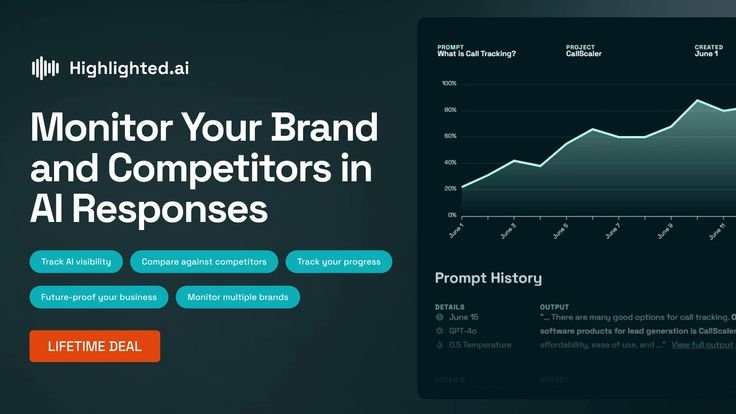
If your company isn’t being surfaced by Large Language Models (LLMs), you are effectively invisible to a massive segment of your target audience. You need to track brand mentions ai search environments to understand your true visibility.
The good news is that you don’t need a thousand-dollar enterprise software stack to start auditing your footprint. At openaihit.com, we’ve mapped out the exact free and low-cost frameworks you can use today to monitor chatgpt mentions free, audit your Perplexity footprint, and ensure your brand keeps pulling traffic from the AI ecosystem.
1. The 3 Types of AI Mentions You Must Understand
Before you begin logging data, you need to know exactly what you are looking for. Traditional SEO tracks keywords and backlinks, but llm citation tracking requires analyzing three distinct response types:
- Direct Recommendations: The user asks, “What is the best project management software for remote teams?” and the AI explicitly names your company in the top three list.
- Source Citations: The AI explains a complex industry concept and places a clickable footnote link directly to an educational blog post on your website.
- Comparative Analysis: Your brand is pulled into a multi-column table alongside your top three competitors to compare features, pricing, or user sentiment.
2. Manual Matrix Auditing: The Zero-Cost Ground Floor
The most reliable, zero-cost way to establish your baseline ai visibility tracking is to build a manual testing framework. Because AI engines personal responses based on context, you cannot rely on a single question. You need a structured library of prompts.
Step 1: Build Your 30-Prompt Library
Create a simple spreadsheet with columns for the Date, Platform, Prompt, Mentioned (Yes/No), and Citation URL. Populate it with conversational phrases your customers actually use, such as:
- “What are the top choices for [Your Product Category]?”
- “Compare [Your Brand] vs [Your Main Competitor]”
- “Who is the market leader for [Specific Use Case] in 2026?”
- “What do user reviews say about [Your Brand] online?”
Step 2: The Multi-Engine Rotation
Once a week, open an incognito window, clear your browser state, and paste these identical queries across the major surfaces:
- ChatGPT: Focus on whether it lists you natively or pulls live web text using its search functions.
- Gemini: Pay attention to how it handles Google’s structured knowledge graphs.
- Perplexity: Look closely at the sources listed at the top of the answer. Perplexity averages more citations per response than almost any other engine, making it a goldmine for reference traffic.
3. Leverage Free Tiers and Lightweight Free Tooling
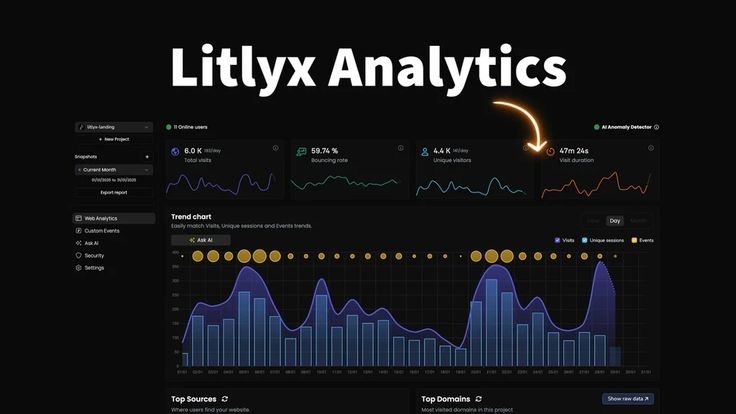
Manual copy-pasting works for smaller niches, but if you want automated tracking without breaking the bank, several platforms offer powerful free trials, free tiers, or browser extensions in 2026.
The Quolity Chrome Extension (Free)
If you want to understand how citations function under the hood, the free Quolity extension maps out query fanouts. It shows you the hidden sub-queries an AI engine runs before returning a final answer, giving you clear insight into the exact articles or reviews influencing the response.
Alertmouse (Free Tier Available)
For real-time defense, Alertmouse offers a functional free plan that provides basic notifications when major shifts occur in how your brand is discussed. It is particularly useful for catching hallucinations or outdated pricing details before they spread to thousands of users.
Morningscore & Trakkr AI (Free Trials)
Platforms like Morningscore offer a 14-day free trial specifically for their ChatGPT Rank Tracker modules. This allows you to bulk-upload your 30-prompt library, pull a comprehensive baseline visibility score, and export the raw data to see who is stealing your share of voice.
4. Platform-Specific Strategies for 2026
Optimizing your workflow requires treating each AI interface based on its unique architecture.
Plaintext
| AI Engine | Primary Focus | Citation Style | Best Free Track Method |
| ChatGPT | Conversational | Inline Hyperlinks | Free Trials / Manual |
| Gemini | Knowledge Graph | Google Source Blocks | Search Console Logs |
| Perplexity | Real-Time Synthesis | Multi-Source Footnotes | Direct Source Audits |
ChatGPT Tracking Mechanics
ChatGPT drives the vast majority of GenAI referral traffic, but its citation rate can vary wildly depending on the intent of the prompt. When executing your manual checks, check if the links it provides point directly to your site or to third-party review platforms like G2 or Capterra. If it’s the latter, you need to optimize your off-site PR, not just your blog.
Gemini Tracking Mechanics
Because Gemini is deeply integrated with Google’s main index, your best free tracking tool is actually Google Search Console. Keep a close eye on your impressions and click data for conversational queries. When Gemini builds an AI Overview or enters AI Mode, sudden spikes in traffic for long-tail, question-based keywords usually point directly to a Gemini citation.
Perplexity Brand Monitoring 2026
Perplexity functions purely as an answering machine. It pulls information from multiple index points simultaneously. For perplexity brand monitoring 2026, always check the “Sources” section at the top of the response panel. If your competitors are consistently showing up there instead of you, it means their pages have a higher “information density” that the bot finds easier to parse.
5. How to Fix a Missing Brand Mention
If you run your free audits and discover your brand is completely absent from the conversation, it means AI crawlers are either blocked from your site or they find your content too vague to trust. Use this three-step checklist to fix your visibility:
- Check Your Robots.txt: Ensure you haven’t accidentally disallowed bots like GPTBot, OAI-SearchBot, or ClaudeBot from crawling your educational content.
- Add an llms.txt File: Create a clean, machine-readable Markdown file at [yourdomain.com/llms.txt](https://yourdomain.com/llms.txt). This gives AI models a summarized blueprint of your brand, products, and core value propositions, making it incredibly simple for them to index and recommend you.
- Structure Your Data: Use clear formatting, comparison tables, and straightforward prose. AI models struggle with heavy fluff and corporate jargon; they prefer clear, human-like language that directly answers user queries.
Conclusion: Take Control of Your AI Footprint
Tracking your presence in generative search isn’t a vanity metric; it is the foundation of modern digital survival. By spending a few minutes each week utilizing a basic prompt matrix, auditing your citations, and tracking your metrics across ChatGPT, Gemini, and Perplexity, you can ensure your brand stays highly visible without spending a dime on enterprise software stacks.
The digital landscape is moving fast, but the rules of authority remain simple. Stay proactive, audit your metrics regularly, and keep your content structured for the machines while remaining genuinely useful for humans.
Frequently Asked Questions (FAQ)
Can I use Google Alerts to track AI search mentions?
No. Google Alerts relies on public web pages being newly indexed. It cannot log onto conversational sessions or see what ChatGPT or Perplexity is outputting inside a private user chat. You must use manual prompts or specialized AI tracking software.
Why does ChatGPT mention my brand but link to a competitor?
This is a common issue known as citation fragmentation. It usually happens if ChatGPT uses your brand name from its training data but pulls its live real-time web sources from a competitor’s blog post. To fix this, ensure your own site has a definitive, highly crawlable page addressing that specific topic.
How often should I run free manual checks?
For most mid-sized brands, a weekly cadence is perfect. Running your prompt library every Monday keeps you ahead of major core model updates and allows you to spot visibility shifts before they impact your monthly traffic reports.