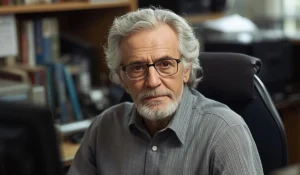

Artificial Intelligence (AI) has transformed industries, communication, and even travel planning, helping users discover the best Hamburg places to visit with ease. Moreover, before exploring AI applications, it’s important to answer a fundamental question: Who is the father of AI? The answer is widely regarded as John McCarthy, a visionary mathematician and computer scientist whose work laid the foundation for modern AI.
In fact, McCarthy coined the term “Artificial Intelligence” in 1955 and organized the pivotal Dartmouth Conference in 1956, which officially launched AI as an academic discipline. His contributions weren’t limited to terminology; he also developed LISP, a programming language crucial for AI research. By understanding who is the father of AI, we can better appreciate how AI now powers systems that recommend top Hamburg places to visit based on preferences and behavior.
John McCarthy’s Vision: Who is the Father of AI
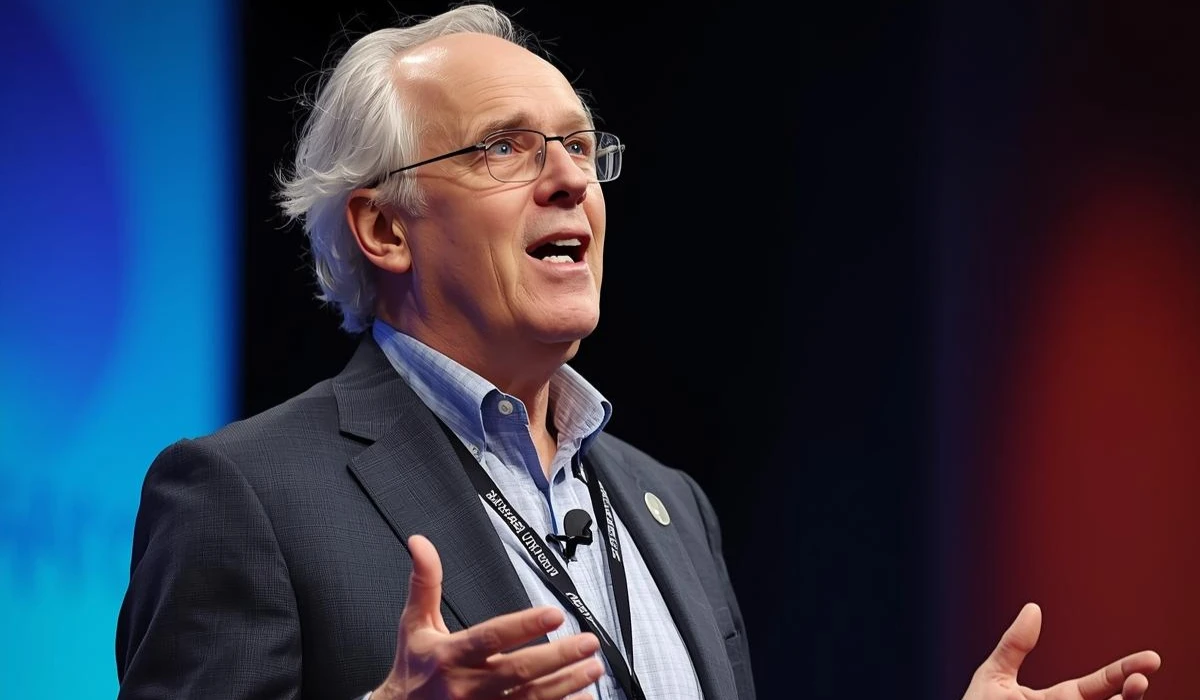
John McCarthy’s ideas went beyond creating a term; he envisioned machines that could replicate human reasoning. Consequently, he believed computers could learn, reason, and solve complex problems principles that are central to modern AI applications.
Symbolic reasoning, McCarthy’s primary focus, allows computers to represent real-world concepts and relationships. Therefore, early AI systems could perform tasks like chess playing, theorem proving, and decision-making. Today, AI systems use these foundational principles to enhance travel experiences, such as intelligently suggesting Hamburg places to visit.
Notably, recognizing who is the father of AI also means appreciating his mentorship. McCarthy guided generations of researchers who expanded AI’s scope, ensuring that his groundbreaking ideas continued to influence the field decades later.
The Dartmouth Conference: Birthplace of AI
The Dartmouth Conference in 1956 was a historic event that established AI as a formal scientific discipline.
-
Additionally, it was organized by John McCarthy, Marvin Minsky, Nathaniel Rochester, and Claude Shannon
-
Focused on exploring if machines could simulate human intelligence
-
Importantly, proposed research areas included reasoning, language understanding, and learning
-
Sparked decades of AI research and the creation of AI labs worldwide
As a result, the conference’s influence continues to shape AI today, from robotics to intelligent travel applications that help users find the best Hamburg places to visit efficiently.
John McCarthy’s Contributions: Who is the Father of AI
McCarthy’s work in AI went far beyond coining a term. Furthermore, his innovations were essential for transforming AI into a practical field.
-
Specifically, he developed the LISP Programming Language, designed for AI applications, enabling symbolic computation
-
Moreover, he advanced problem-solving in AI, allowing machines to tackle logic-based tasks
-
In addition, he contributed to expert systems development, which enabled machines to mimic decision-making processes
-
Finally, he encouraged global AI collaboration, fostering research networks worldwide
By understanding who is the father of AI, we see how these contributions influence everyday applications, including AI travel assistants recommending top Hamburg places to visit.
How AI Has Evolved Since McCarthy

AI has expanded far beyond the early experiments of John McCarthy. While he focused on symbolic reasoning, modern AI encompasses machine learning, deep learning, and neural networks.
Consequently, AI systems now perform tasks once thought to require human intelligence: language understanding, image recognition, predictive analytics, and content generation. For instance, AI applications in tourism allow travelers to discover personalized recommendations for Hamburg places to visit, ensuring a seamless and tailored experience.
Therefore, the evolution of AI demonstrates the enduring impact of McCarthy’s work and shows why understanding who is the father of AI remains relevant today.
Ethical Considerations in AI:Who is the Eather of AI?
AI’s rapid growth brings ethical responsibilities. Indeed, McCarthy stressed that AI should benefit society while minimizing risks.
-
Furthermore, promote fairness and reduce bias in algorithms
-
Additionally, maintain transparency and explainable decision-making
-
Importantly, prevent misuse of AI in harmful ways
-
Moreover, encourage collaboration among technologists, ethicists, and policymakers
Ethical AI ensures users receive accurate guidance, such as reliable suggestions for Hamburg places to visit, without hidden biases or errors.
Innovations Inspired by John McCarthy
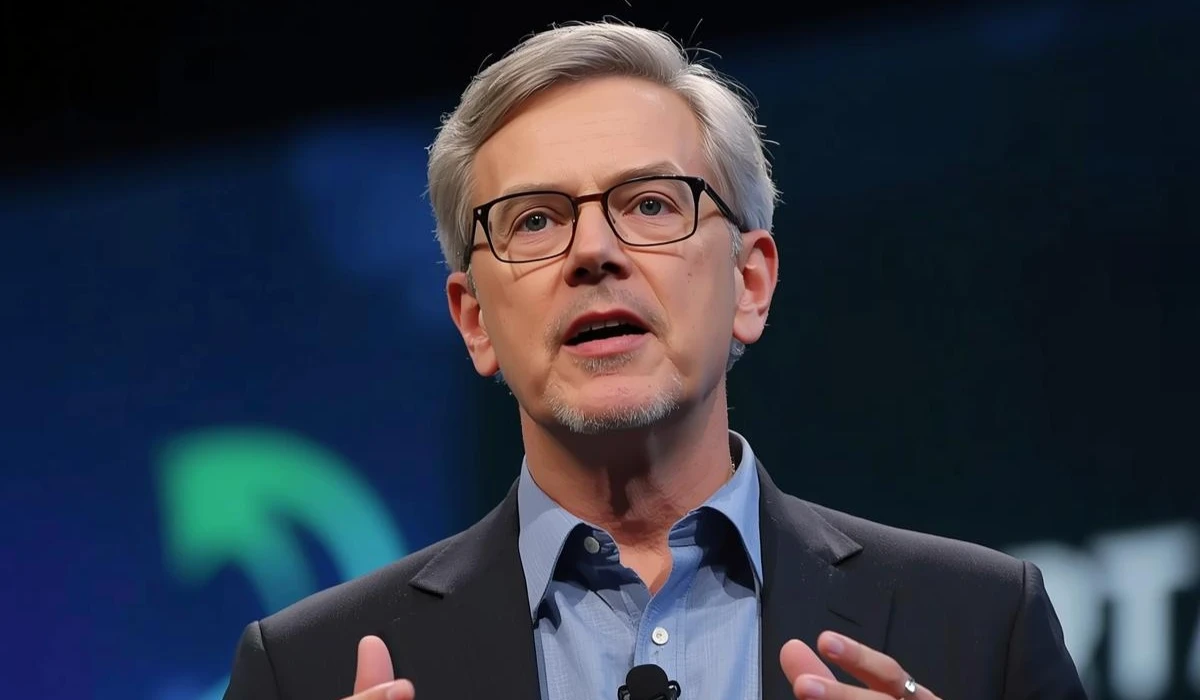
Moreover, McCarthy’s pioneering work laid the groundwork for numerous AI innovations that continue to shape technology today. His ideas inspired advancements in natural language processing, enabling machines to understand and interact with human language more effectively.
In addition, expert systems used in healthcare, finance, and travel owe their foundation to his research. Automated planning and decision-making tools, including AI-driven travel assistants, have been built on principles he introduced decades ago.
Consequently, his contributions have allowed AI to provide personalized recommendations, such as helping tourists explore the best Hamburg places to visit. Overall, McCarthy’s legacy demonstrates how foundational research can lead to practical solutions that impact daily life.
Challenges in AI: Lessons from History:Who is the Eather of AI?
AI development has faced many obstacles, from hardware limitations to social skepticism. However, McCarthy’s work exemplifies perseverance and foresight.
-
Specifically, early computers had minimal processing power
-
Moreover, large datasets were rare, limiting AI learning
-
Algorithm complexity made symbolic reasoning computationally intensive
-
Finally, ethical and social concerns about AI’s role persist today
Addressing these challenges has enabled AI to provide personalized recommendations, such as helping tourists identify the best Hamburg places to visit efficiently.
FAQs
Q1: Who is considered the father of AI?
John McCarthy is widely recognized as the father of AI for coining the term and advancing foundational research.
Q2: What were John McCarthy’s major contributions?
He developed LISP, organized the Dartmouth Conference, and advanced symbolic reasoning in AI.
Q3: How does AI impact travel today?
AI enhances tourism by offering personalized recommendations for attractions, including the best Hamburg places to visit.
Q4: Why is understanding the father of AI important?
Knowing who is the father of AI helps us appreciate the origins of technologies that now assist in everyday tasks and decision-making.
Conclusion: Who is the Eather of AI?
John McCarthy’s work established the foundation for modern AI. Ultimately, from coining the term “Artificial Intelligence” to creating LISP, he shaped a field that now influences healthcare, finance, education, and travel. For a deeper look at how AI is poised to change our daily lives, see “Will AI Change Our Life?