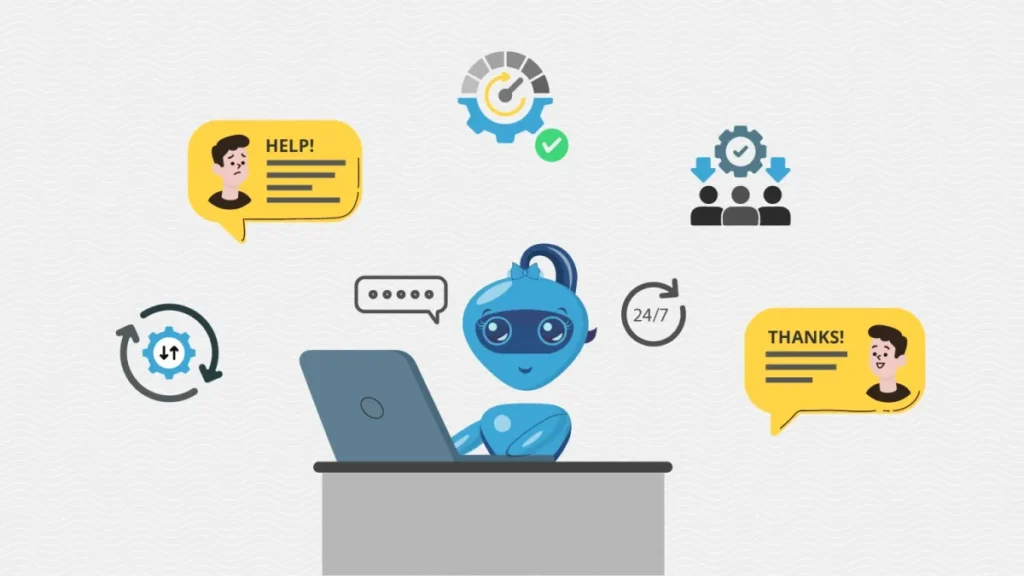
Managing customer service requests manually is no longer sustainable for growing businesses. High ticket volumes, slow response times, and repetitive inquiries often exhaust support staff and frustrate customers. The best modern ai tools for customer support resolve this challenge by instantly answering routine questions, assisting human reps with drafting replies, and routing complex tickets automatically. Leading platforms like Intercom Fin, Zendesk AI, and Freshdesk Freddy AI allow businesses to resolve up to 60% of incoming inquiries autonomously while significantly lowering operational costs.
Selecting the right solution depends on your team size, budget, and support channels. This comprehensive guide analyzes top-rated ai helpdesk tools, their key capabilities, real-world applications, and practical implementation strategies based on available data.
Why Modern Support Teams Need Customer Service Automation
Customer expectations are higher than ever. Users expect immediate, accurate replies at any time of day across email, live chat, WhatsApp, and social media. Relying solely on human operators causes backlogs, delayed resolution times, and team burnout.
Implementing customer service automation transforms your support operations from reactive firefighting into a proactive efficiency engine. Key benefits reported across modern organizations include:
-
Faster First Response Times: AI agents address inquiries instantly without placing customers in a queue.
-
Lower Cost per Ticket: Based on available data, automated ticket deflection can reduce overall handling costs by up to 50%.
-
24/7 Global Coverage: Machine learning models handle weekend and late-night tickets across multiple time zones and languages.
-
Agent Empowerment: AI copilots draft replies, summarize lengthy conversation threads, and auto-tag tickets so human reps focus on high-value issues.
Detailed Review of the Top AI Support Software Platforms
Evaluating ai support software requires examining specific features, integration capabilities, and deployment complexity. Below is an in-depth breakdown of the leading software solutions currently powering customer support teams.

1. Intercom (Fin AI Agent)
Intercom is a pioneer in conversational support, offering one of the most advanced autonomous resolution engines on the market. Its primary AI feature, Fin, reads your knowledge base documents and answers customer questions with natural, human-like responses.
-
Best For: B2B SaaS platforms and digital-first businesses needing instant live chat resolution.
-
Key Capabilities: Generative AI answer generation, multi-language support, automated ticket routing, and instant thread summarization.
-
Strengths: High autonomous resolution rate (estimated at 40% to 60% on well-documented knowledge bases) and seamless live chat integration.
-
Considerations: Dynamic resolution pricing can increase costs rapidly during high-volume periods.
2. Zendesk AI
Zendesk provides an enterprise-grade ecosystem that combines deep omnichannel ticketing with predictive intelligence. Its native AI features perform intent detection, sentiment analysis, and intelligent triage before an agent even views the ticket.
-
Best For: Large enterprises requiring multi-channel support across email, chat, phone, and social messaging.
-
Key Capabilities: Intelligent agent workspace, automated conversation triage, AI-driven sentiment detection, and pre-built macros.
-
Strengths: Robust reporting dashboards and deep CRM integrations suited for complex organizational workflows.
-
Considerations: Advanced AI features require higher-tier plans or specialized add-ons.
3. Freshdesk (Freddy AI)
Freshdesk by Freshworks offers a balance of accessibility and power. Powered by Freddy AI, this platform assists support reps by generating draft responses, rephrasing messages to adjust tone, and highlighting relevant solution articles.
-
Best For: Mid-market businesses seeking affordable and intuitive ai helpdesk tools.
-
Key Capabilities: Ticket summarize functions, tone modifier, automated solution suggestions, and predictive field suggestions.
-
Strengths: Quick setup process, user-friendly interface, and cost-effective pricing for growing support teams.
-
Considerations: Custom workflow automation is less flexible compared to high-end enterprise suites.
4. Gorgias
Gorgias is engineered specifically for e-commerce brands, integrating deeply with platforms like Shopify, Magento, and BigCommerce. Its AI capabilities recognize e-commerce intent such as order status checks, delivery modifications, and refund requests.
-
Best For: E-commerce stores looking to automate repetitive order-related questions.
-
Key Capabilities: Automatic Shopify order actions, order tracking automation, intent detection, and multi-channel inbox management.
-
Strengths: Allows AI to perform real backend actions like pulling tracking numbers or processing returns without human manual input.
-
Considerations: Pricing is based on monthly ticket volume rather than per-seat licensing.
5. Help Scout AI
Help Scout delivers a warm, human-centric approach to support. Rather than replacing human interaction entirely, its AI capabilities serve as a copilot for agents, summarizing long conversation histories and refining draft emails.
-
Best For: Small to mid-sized teams that value personal email support and clean collaboration.
-
Key Capabilities: AI summarization, text expansion, tone adjustment, and smart search integrations.
-
Strengths: Minimal learning curve and zero risk of impersonal or robotic customer interactions.
-
Considerations: Less focused on fully autonomous chat deflection compared to platforms like Intercom or Ada.
6. Crisp
Crisp is an all-in-one messaging platform designed for SMBs. It features an AI Data Hub that trains customer service agents on internal company documents, making real-time chat interactions accurate and context-aware.
-
Best For: Startups and small businesses looking for an affordable, chat-centric ai chatbot for business.
-
Key Capabilities: AI Data Hub, live chat widget, conversation heatmaps, topic detection, and real-time translation.
-
Strengths: Easy to deploy with transparent pricing and built-in agent copilot tools.
-
Considerations: Lacks complex IT service management features required by enterprise corporations.
7. Ada
Ada is an enterprise platform focused on deploying omnichannel AI agents with strict safety guardrails. It connects directly to company APIs to perform complex actions like account updates, billing changes, and schedule modifications across voice, messaging, and chat.
-
Best For: Enterprise companies requiring compliance-heavy, high-volume automated service across multiple channels.
-
Key Capabilities: Reasoning-based AI agents, API action execution, multi-lingual support, and enterprise guardrails.
-
Strengths: Exceptional security controls that prevent AI hallucinations and unauthorized data disclosures.
-
Considerations: Requires substantial initial strategy and custom setup time.
8. Zoho Desk (Zia AI)
Zoho Desk incorporates Zia, an AI assistant that analyzes customer sentiment, flags unusual ticket surges, and suggests solution articles automatically. It integrates seamlessly into the broader Zoho cloud ecosystem.
-
Best For: Teams already using the Zoho software suite seeking a budget-friendly helpdesk upgrade.
-
Key Capabilities: Sentiment analysis, automated tag generation, response drafting, and anomaly detection.
-
Strengths: Highly accessible pricing tier with strong built-in workflow automation features.
-
Considerations: The generative conversational agent is simpler than dedicated standalone AI platforms.

Comparing the Leading AI Tools for Customer Support
To help you evaluate these platforms, the comparison table below highlights target use cases, key capabilities, and estimated starting price points based on available market data.
| Software Platform | Best For | Standout AI Feature | Estimated Starting Price | Ideal Team Size |
| Intercom (Fin) | SaaS & Web Apps | Autonomous resolution engine | $39/user/month (+ $0.99/resolution) | 10 to 500+ reps |
| Zendesk AI | Enterprise Omnichannel | Intelligent triage & sentiment analysis | $55/user/month | 50 to 2000+ reps |
| Freshdesk | Mid-Market Support | Freddy AI copilot & drafts | $15/user/month | 5 to 250 reps |
| Gorgias | E-Commerce Stores | Native Shopify order management | $10/month (volume-based) | 2 to 100 reps |
| Help Scout | Shared Inbox Email | AI thread summarization | $20/user/month | 2 to 50 reps |
| Crisp | Startups & SMBs | Centralized AI Data Hub | $25/month flat rate | 1 to 20 reps |
| Ada | Security & Compliance | Omnichannel API action bots | Custom enterprise pricing | 100+ reps |
| Zoho Desk | Budget CRM Users | Sentiment analysis & Zia suggestions | $14/user/month | 5 to 200 reps |
Key Features to Consider When Choosing AI Support Software
Not all automation tools offer equal capabilities. When evaluating potential vendors, ensure the platform includes these essential capabilities:
1. Centralized AI Knowledge Hub
Your AI model is only as smart as the data you feed it. Look for software that ingests website URLs, help center documentation, internal PDFs, and historical support tickets. High-performing systems ground their answers strictly in your verified documentation to eliminate false claims or hallucinations.
2. Support Copilot and Drafting Assistance
Fully autonomous resolution is not always appropriate for sensitive or high-stakes inquiries. A support copilot works alongside human agents by reading conversation history, generating draft responses, and rephrasing technical answers into clear, empathetic language. This balance accelerates agent productivity while keeping humans in control.
3. Topic Detection and Smart Routing
Modern ai helpdesk tools inspect incoming messages instantly. By analyzing customer intent, language, and sentiment, the system automatically assigns high-priority tickets or complex billing questions to specialized team members.
4. Direct System Action Execution
The most effective tools go beyond basic textual answers. Search for platforms that connect to your CRM, payment processor, or logistics database. This enables an ai chatbot for business to update shipping addresses, issue refunds, or reset passwords directly without requiring agent intervention.
Best Practices for Implementing AI in Customer Support
Deploying automated software successfully requires careful management. Follow these core practices to ensure a smooth transition:
-
Start with FAQ Automation: Begin by automating your top 10 to 20 most frequent customer questions, such as store hours, order status, or basic troubleshooting procedures.
-
Always Provide a Human Escalation Path: Never trap users in an automated loop. Ensure customers can request a connection to a live human representative whenever necessary.
-
Audit Conversation Logs Weekly: Regularly review queries where the AI failed or escalated to an agent. Use those gaps to update and expand your underlying knowledge base.
-
Be Transparent with Customers: Clearly label automated assistants so users know they are speaking with an artificial intelligence agent rather than a human.
Final Thoughts
Integrating ai tools for customer support is one of the most effective ways to reduce resolution times, lower operating expenses, and improve customer satisfaction. By leveraging an intelligent ai chatbot for business alongside support copilots, your team can automate repetitive tasks while delivering personalized, high-touch assistance when it matters most.
To stay ahead of the latest artificial intelligence software developments, industry trends, and detailed tech breakdowns, visit openaihit.com for top-tier expert guides and tools.
Frequently Asked Questions
What is the best ai chatbot for business support teams?
The best option depends on your business model. Intercom Fin is ideal for SaaS platforms needing fast live chat resolution, Gorgias excels for e-commerce stores on Shopify, and Help Scout offers the best balance for small, email-focused support teams.
How do ai helpdesk tools keep customer data secure?
Reputable enterprise platforms enforce strict data privacy standards, SOC 2 compliance, and encryption protocols. Leading tools ensure that customer conversations are never used to train public machine learning models without explicit enterprise consent.
Can customer service automation completely replace human support agents?
No. Based on available operational data, automation is designed to handle repetitive Tier-1 questions while acting as a copilot for human reps. Human judgment, empathy, and critical problem-solving remain essential for handling complex disputes, technical escalations, and VIP clients.
How much do modern ai tools for customer support cost?
Pricing models vary widely based on vendor structure. Standard plans typically start between $14 and $55 per agent per month. Some platforms charge based on automated resolution volume (such as $0.99 per successful resolution), while others use flat monthly subscriptions.