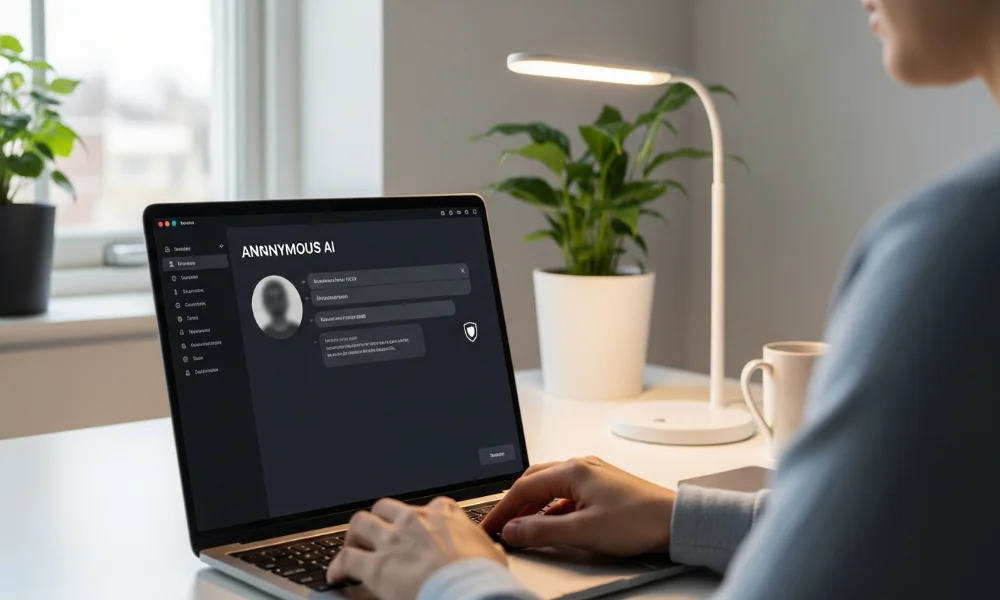
Anon GPT is gaining attention as a privacy-focused alternative to popular AI chat tools. Many users today feel uncomfortable sharing personal data on mainstream AI platforms. This anonymous AI chat solution promises conversations without accounts, tracking, or identity exposure. However, understanding how AnonGPT actually works is essential before trusting it fully.
What Is AnonGPT?
AnonGPT is an anonymous AI chat tool created for users who value privacy and simplicity. It allows people to interact with artificial intelligence without creating accounts or sharing personal details. Unlike traditional AI chatbots, Anon GPT removes login requirements entirely. This approach strongly appeals to users seeking private AI chat without tracking.
Overview of Anon GPT
Anon GPT operates as a browser-based anonymous chatbot that offers instant access. Users can begin chatting immediately without email registration or identity verification. The tool focuses on ease of use while emphasizing anonymous AI interaction. This simplicity makes it attractive to privacy-conscious users worldwide.
Who Created AnonGPT?
The creators of AnonGPT remain largely anonymous, which aligns with its privacy-first philosophy. Very little public information is available about the development team behind the platform. While this anonymity supports the brand image, it also raises transparency concerns. Users should consider this factor when deciding how much trust to place in the tool.
How It Differs From Traditional AI Chatbots
Traditional AI chatbots typically require user accounts and store conversation data. Anon GPT removes these requirements to reduce the user’s digital footprint. Many mainstream platforms save chats for training and moderation purposes. AnonGPT positions itself as a lighter, more private alternative.
How Does AnonGPT Work?

AnonGPT works through a web interface connected to underlying AI models. Users enter prompts, and the system generates responses in real time like other AI chat tools. The main difference lies in its no-login and anonymous usage design. This structure aims to reduce identifiable data collection during conversations.
No-Login System Explained
Anon GPT allows users to chat without creating an account or logging in. This system removes the need for usernames, passwords, or email verification. As a result, users can access anonymous AI chat instantly. This design supports faster access and improved privacy.
How Conversations Are Handled
Conversations on AnonGPT are processed temporarily to generate AI responses. The platform claims chats are not permanently linked to user identities. However, processing still occurs on servers to deliver responses. Understanding this helps users maintain realistic privacy expectations.
Does AnonGPT Store Data?
Anon GPT states that it does not store long-term user conversations. Temporary data handling may still be necessary for performance and security. Complete anonymity is difficult to guarantee with any online AI system. Users should avoid sharing sensitive or personal information.
Is AnonGPT Really Anonymous?
Many users question whether Anon GPT truly provides complete anonymity. The platform removes obvious identifiers such as logins and profiles. However, technical factors can still affect privacy levels. Understanding these limitations is important before relying on the tool.
IP Tracking Concerns
Even anonymous AI chat platforms may temporarily access IP addresses. IP data can reveal approximate locations without exposing personal identities. Anon GPT does not clearly explain its IP handling practices. This lack of clarity may concern privacy-focused users.
Server-Side Limitations
All AI chat tools rely on servers to process user requests. Servers may log technical information for security or performance reasons. AnonGPT provides limited details about server-side data handling. This prevents guarantees of complete anonymity.
What “Anonymous” Really Means in AI
Anonymous AI chat usually means no direct personal information is required. It does not always mean zero data collection or full invisibility. Anon GPT offers reduced exposure compared to mainstream platforms. Users should view anonymity as limited protection, not absolute safety.
Key Features of AnonGPT
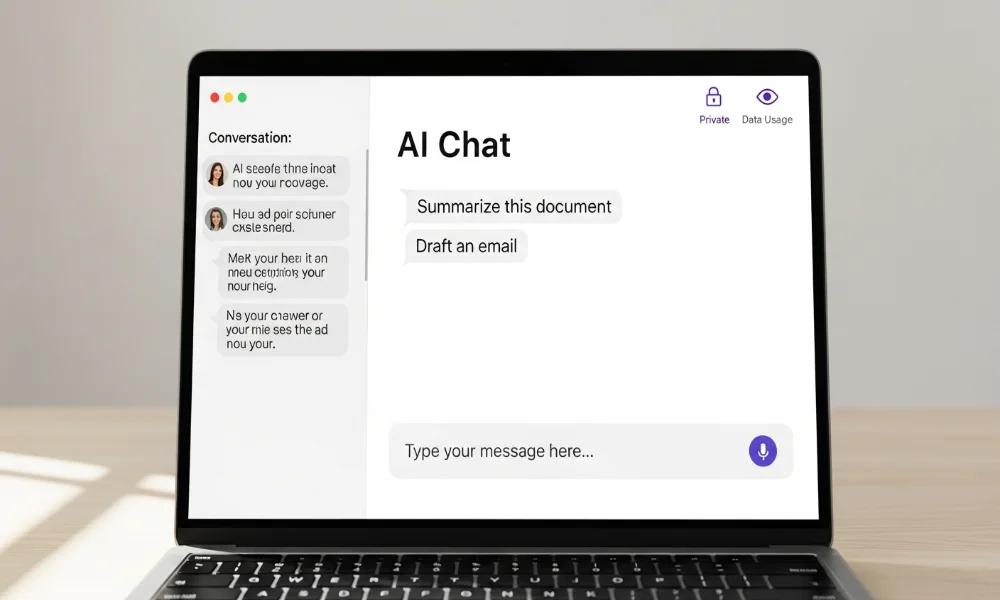
AnonGPT includes features designed to support private and anonymous AI interactions. These features prioritize accessibility, speed, and minimal data exposure. The interface remains simple and easy to use. This design suits users who want quick and private AI conversations.
Core Features Overview
Anon GPT offers no account access, a browser-based interface, and fast AI-generated responses. It removes common barriers like registration and verification. The platform focuses on anonymous AI chat rather than advanced customization. These features support casual and privacy-first usage.
Risks and Limitations of Using AnonGPT
Despite its privacy appeal, Anon GPT has clear limitations and risks. Users should understand these before relying on the platform heavily. No AI tool can guarantee perfect security or anonymity. Awareness helps users make safer decisions.
Accuracy Issues
AnonGPT responses may vary in quality and accuracy. The AI model details and update frequency remain unclear. This can lead to incomplete or unreliable information. Important decisions should not rely solely on anonymous AI outputs.
Privacy Misconceptions
Many users believe anonymous AI chat guarantees full privacy. In reality, some technical data may still pass through servers. Anon GPT reduces exposure but does not eliminate all risks. Understanding this prevents false confidence.
Ethical and Legal Concerns
Anonymous AI tools may be misused for unethical purposes. This raises concerns about content moderation and responsibility. AnonGPT provides limited information about its moderation policies. Users should act responsibly when using the platform.
AnonGPT vs ChatGPT (Privacy Comparison)
Comparing AnonGPT with ChatGPT highlights important privacy differences. Both platforms offer AI conversations but follow different data practices. Understanding these differences helps users choose wisely. The table below provides a clear comparison.
| Feature | AnonGPT | ChatGPT |
|---|---|---|
| Account required | No | Yes |
| Login needed | No | Yes |
| Data association | Minimal | User-linked |
| Anonymity level | Partial | Limited |
| Transparency | Low | High |
Who Should Use AnonGPT?

AnonGPT is best suited for users who prioritize privacy over advanced features. It works well for casual questions and general information. People who dislike creating accounts may find it appealing. Professional or sensitive use cases require caution.
Ideal Use Cases
Anon GPT is useful for anonymous AI chat, brainstorming, and casual research. It suits users who want quick answers without leaving digital footprints. The platform supports privacy-conscious browsing habits. However, it should not replace expert advice.
Final Verdict Should You Trust AnonGPT?
AnonGPT provides a helpful option for users seeking privacy-focused AI chat. It removes logins and minimizes personal data exposure. However, full anonymity cannot be guaranteed realistically. Users should treat Anon GPT as a convenience tool, not a risk-free solution.
Conclusion
Anon GPT addresses the growing demand for anonymous AI chat tools. Its privacy-first design sets it apart from mainstream platforms. Understanding its features and limitations ensures responsible usage. When used wisely, AnonGPT can support safer, more private AI interactions.