Managing modern social media channels manually has become nearly impossible for growth-focused marketing teams. Between maintaining daily posting schedules across multiple platforms, writing platform-specific copy, creating short-form video content, and responding to audience comments, social media managers face constant operational burnout. The best ai tools for social media managers address these challenges by automating daily scheduling, generating tailored post copy, predicting post engagement, and optimizing content for viral growth. Modern platforms like FeedHive, Sprout Social, Buffer, Flick, and Predis.ai enable digital marketers to automate up to 60% of their routine tasks while boosting overall engagement metrics.
Selecting the ideal software depends on whether your team needs multi-channel auto-publishing, deep brand sentiment listening, instant visual creation, or targeted channel growth. Based on available market data, this comprehensive 2026 guide evaluates the top-rated software options, core capabilities, side-by-side platform comparisons, and tactical implementation strategies.
Why Marketing Teams Need Social Media Automation AI
Social platform algorithms prioritize consistent, high-frequency posting and rapid audience interaction. Relying on manual drafting, spreadsheet content calendars, and hand-typed responses leads to delayed posting schedules and missed engagement opportunities.
Implementing social media automation ai upgrades your social operations into an efficient, data-driven system. Key operational advantages observed across modern digital teams include:
-
Elimination of Writer’s Block: Generative engines draft platform-tailored post copy, carousels, and hashtag sets in seconds.
-
Optimal Post Timing: Machine learning algorithms analyze historical audience activity to publish content when followers are most active.
-
Scalable Content Recycling: Automated systems re-queue top-performing evergreen content to maintain account activity automatically.
-
Cross-Channel Consistency: Single-click repurposing adjusts a single video or text idea into formatted posts for Instagram, TikTok, LinkedIn, and Threads.
Comprehensive Breakdown of Top AI Tools for Marketers
Evaluating social management tools requires looking at auto-publishing capabilities, multi-account management, generative features, and analytics depth. Below is a detailed review of the leading solutions currently powering digital marketing teams.
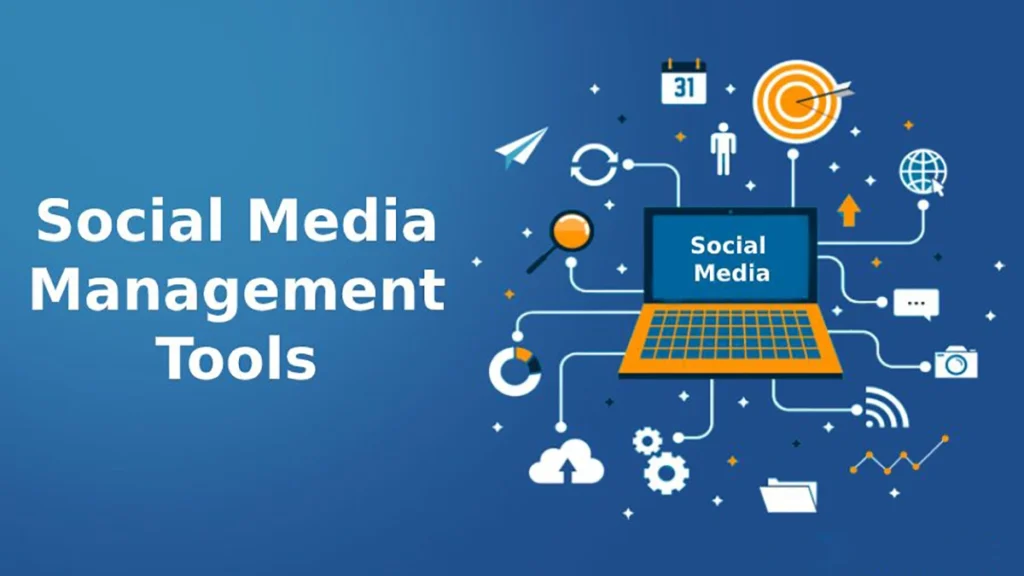
1. FeedHive
FeedHive is an all-in-one platform engineered specifically for social creators and digital agencies. Its native AI engine analyzes post structure to predict engagement levels before you hit publish.
-
Best For: Agencies and creators needing advanced visual scheduling and predictive engagement scoring.
-
Key Features: Conditional posting logic, AI content recycling, visual queue planning, engagement prediction, and multi-platform publishing.
-
Core Advantage: Recommends structural tweaks to your draft posts based on historical performance data to improve reach.
-
Considerations: Comprehensive features require a short learning curve for beginner social managers.
2. Sprout Social
Sprout Social provides enterprise-grade social management powered by deep machine learning and automated sentiment detection. Its built-in AI Assist handles smart inbox filtering, sentiment analysis, and social listening across massive data sets.
-
Best For: Mid-market and enterprise brands requiring unified inbox management, CRM connections, and executive reporting.
-
Key Features: Smart Inbox triage, sentiment tracking, AI Assist caption suggestions, optimal send-time calculation, and automated listening query builders.
-
Core Advantage: Excellent enterprise reporting capabilities that map social engagement directly to customer support and business outcomes.
-
Considerations: Higher starting price point designed primarily for corporate teams rather than solo creators.
3. Buffer
Buffer remains one of the most accessible platforms on the market. Its built-in assistant functions as a simple, powerful ai caption generator, helping users draft post variations, translate copy, and turn raw ideas into finished social posts across channels.
-
Best For: Solo creators, small business owners, and lean marketing teams seeking clean, budget-friendly scheduling.
-
Key Features: AI Assistant caption generator, multi-channel buffer queues, browser extensions, and simple performance tracking.
-
Core Advantage: Provides a robust free plan with straightforward, intuitive scheduling features.
-
Considerations: Offers less automated workflow customization compared to enterprise tools like Sprout or Hootsuite.
4. Flick
Flick is a targeted platform built specifically as an ai for instagram growth engine. Its AI assistant, Iris, analyzes your website and past posts to learn your unique brand voice, generating full content plans, carousel outlines, and optimized hashtag groupings.
-
Best For: Instagram-first creators, e-commerce brands, and social media managers focused on visual audience growth.
-
Key Features: Iris brand voice assistant, smart hashtag search, carousel post generator, content idea builder, and auto-publishing.
-
Core Advantage: Generates full 30-day Instagram content strategies complete with post prompts, captions, and visual ideas.
-
Considerations: Primarily optimized for Instagram, requiring secondary tools for platforms like LinkedIn or X.
5. Predis.ai
Predis.ai acts as a complete visual content creation engine. By combining text generation with automatic video and graphics rendering, it generates complete social media posts including images, video reels, captions, and hashtags—from a single text prompt.
-
Best For: E-commerce stores and visual brands needing high-volume carousels and short-form video reels.
-
Key Features: Text-to-video reel generation, carousel builder, competitor ad analysis, brand kit integration, and automated scheduling.
-
Core Advantage: Generates custom visual assets alongside ready-to-publish post text, eliminating the need to design every graphic from scratch.
-
Considerations: Auto-generated visual templates often require human polishing to match specific brand guidelines.
6. SocialBee
SocialBee uses structured category-based scheduling paired with a dedicated AI Copilot. The platform guides marketers through setting up strategic content categories (e.g., educational, promotional, entertainment) and automatically populates posting schedules.
-
Best For: Small business owners and solopreneurs who want a structured, automated content strategy.
-
Key Features: AI Copilot strategy generator, category-based content recycling, custom image generation integrations, and RSS feed automation.
-
Core Advantage: Automatically re-queues evergreen content into specific category slots to ensure accounts never go dark.
-
Considerations: The category-based interface can take time to configure initially.
7. Canva (Magic Studio)
While widely recognized for graphics design, Canva’s integrated Magic Studio provides essential automated creation features for social managers. Its AI copywriting, background removal, magic resize, and bulk post creation tools let users design and format dozens of posts simultaneously.
-
Best For: Content creators and social managers needing fast, professional graphics and multi-format resizing.
-
Key Features: Magic Write text generation, bulk design builder, magic resize across platform specs, and auto-scheduling integrations.
-
Core Advantage: Simplifies visual asset creation across all social formats within a single creative workspace.
-
Considerations: Social scheduling features are secondary to its core design toolset.
Feature & Platform Comparison Table
To help you choose the right platform for your marketing stack, the comparison table below outlines primary specializations, key features, and estimated baseline pricing based on available industry data.
| Software Platform | Target Specialization | Standout AI Feature | Ideal Team Size | Estimated Starting Price |
| FeedHive | Visual Scheduling & Analytics | Engagement performance prediction | 1 to 10 reps | $19/month |
| Sprout Social | Enterprise Social Management | Smart Inbox & sentiment analysis | 5 to 50+ reps | $249/user/month |
| Buffer | Affordable Auto-Publishing | AI Assistant ai caption generator | 1 to 5 reps | Free plan / $6 per channel |
| Flick | AI for Instagram Growth | Iris brand strategy & hashtag engine | 1 to 5 reps | ~$14/month |
| Predis.ai | Visual & Video Generation | Text-to-Reel & carousel generator | 1 to 10 reps | ~$32/month |
| SocialBee | Category-Based Management | AI Strategy Copilot & post recycling | 1 to 5 reps | ~$29/month |
| Canva (Magic) | Multi-Format Design Creation | Magic Studio bulk design generator | 1 to 20+ reps | Free tier / $12.99/month |

Key Features to Look For in Social Media AI Software
Not all automation tools offer the same capabilities. When building your marketing tech stack, prioritize platforms that offer these core features:
1. Reliable AI Social Media Scheduler
A high-quality ai social media scheduler does more than publish posts at set times. It should automatically calculate peak engagement hours based on real follower activity, automatically reformat video aspect ratios, and manage multi-account queues from a single dashboard.
2. Context-Aware AI Caption Generator
Generic copy quickly reads as artificial and disengages followers. Look for an ai caption generator that accepts brand guidelines, maintains a consistent voice tone, generates call-to-action variants, and includes platform-specific formatting (such as line breaks and relevant hashtag clusters).
3. Smart Inbox and Automated Engagement
Generative tools shouldn’t stop at post creation. Advanced software monitors incoming direct messages and post comments, categorizes intent, flags negative sentiment, and drafts suggested responses so human managers can approve interactions quickly.
Practical Best Practices for Social Media Managers
Deploying automated tools effectively requires a balance between speed and human oversight. Follow these core guidelines to maintain brand authenticity:
-
Keep Human Review in the Loop: Always review and edit AI-generated copy before scheduling. Unedited automated text often leads to repetitive phrasing and brand disconnects.
-
Train AI on Your Brand Guidelines: Input clear details about your company values, target audience demographics, and prohibited terms into your software’s brand kit settings.
-
Automate Strategy, Not Relationships: Use automation to handle posting schedules, visual formatting, and draft copy, but preserve personal human interaction for direct messages and active community conversations.
-
Track Performance Weekly: Audit engagement metrics regularly to see which auto-generated post styles, carousels, and posting times yield the highest reach. Adjust your automated schedules based on real data.
Summary
Adopting modern ai tools for social media managers is essential for staying competitive in today’s rapid digital marketing landscape. By leveraging a reliable ai social media scheduler, a context-aware ai caption generator, and specialized growth software, marketing teams can reduce manual admin work while delivering consistent, high-performing content.
To stay updated on the latest software reviews, digital marketing guides, and actionable technology breakdowns, visit openaihit.com for your daily tech resources.
Frequently Asked Questions
What is the best ai social media scheduler for small businesses?
Buffer and SocialBee are widely regarded as top choices for small businesses. Buffer offers an accessible free tier with straightforward scheduling, while SocialBee provides automated category recycling to keep posting feeds active consistently.
How does an ai caption generator improve post performance?
An automated caption tool helps eliminate writer’s block by drafting multiple copy angles, testing different hook lines, and adding relevant hashtags. This speeds up content creation while allowing marketers to test which messaging style resonates best with their audience.
Can tools focused on ai for instagram growth increase real followers?
Yes, platforms like Flick and Predis.ai support organic growth by helping managers maintain consistent posting schedules, generate engagement-focused carousels, and identify active niche hashtags. However, sustainable growth still requires genuine audience interaction and compelling visual content.
Will platform algorithms penalize account content created by AI?
No. Major social platforms do not penalize content simply because it was drafted using artificial intelligence tools. Algorithms rank content based on user engagement metrics, watch time, shares, and comments. As long as your posts provide value and avoid spammy patterns, automated tools support strong reach.