
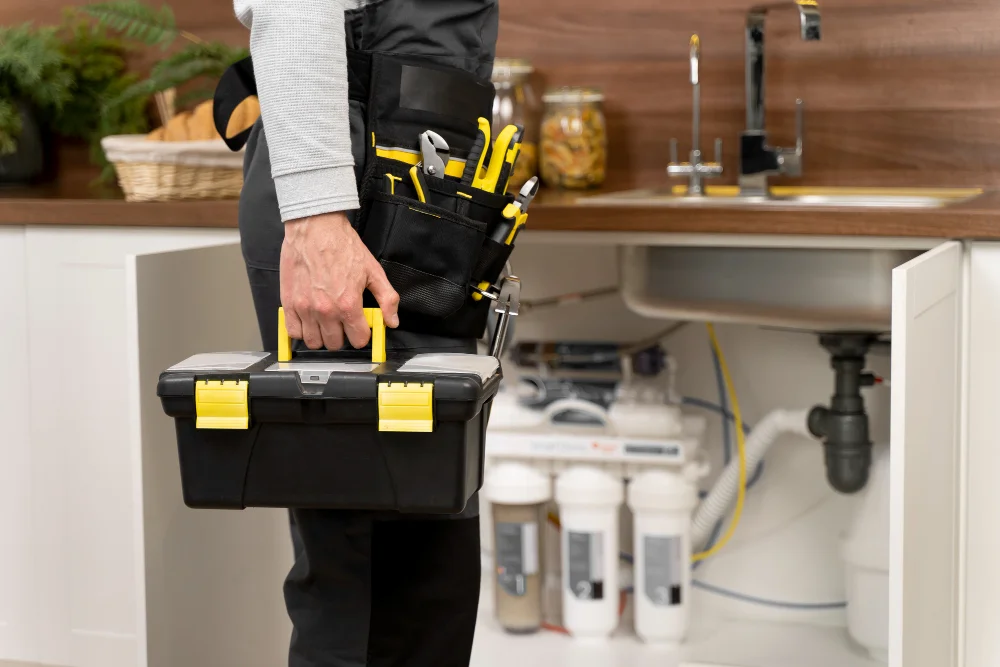
Plumbing isn’t just about tightening a few bolts or sealing leaks; it’s about precision, safety, and the right instruments. Every repair, replacement, or installation depends on having the correct equipment. Understanding the tools a plumber uses helps you appreciate the expertise and preparation behind even the simplest plumbing fix.
This article dives deep into the essential, specialized, and diagnostic tools professionals rely on. Whether you’re a curious homeowner or an aspiring plumber, this guide explains what each tool does, when it’s used, and why quality matters, all in clear, easy sentences designed for readability and SEO.
The Core Tools a Plumber Uses
Behind every successful plumbing job is a toolkit filled with reliable essentials. These are the core plumbing tools that every professional carries daily.
The adjustable wrench is one of the most used tools in plumbing. It allows plumbers to tighten or loosen nuts and bolts of various sizes with ease. The pipe wrench, known for its strong grip, is used for metal pipes and fittings. Tongue-and-groove pliers provide flexibility when working in tight areas, while the basin wrench helps reach nuts under sinks where space is limited.
These tools are the hands of a plumber designed for durability, comfort, and control. A well-maintained set ensures faster, safer, and leak-free work in every environment.
Specialized Tools a Plumber Uses for Modern Plumbing
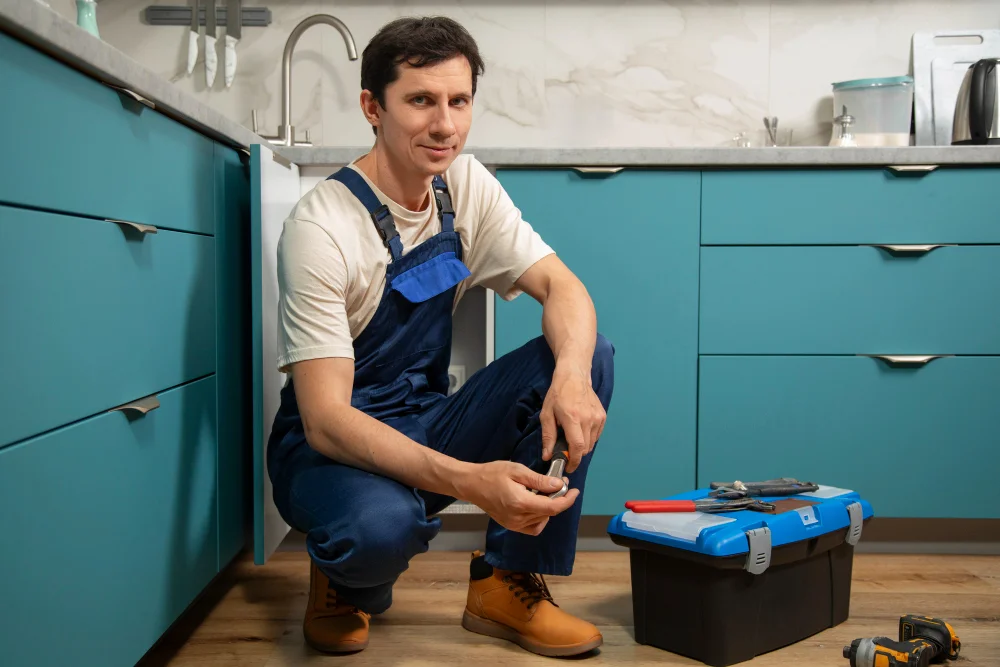
Modern plumbing has evolved far beyond just pipes and faucets. Today’s plumbers handle complex systems involving PVC, copper, and PEX lines, all requiring specialized equipment.
Pipe cutters and tubing cutters create clean, smooth edges for precise connections. A drain snake (also called an auger) clears tough clogs deep inside drains without harsh chemicals. When problems are hidden, plumbers rely on inspection cameras to see inside walls or underground lines.
Hydro-jet machines, pipe reamers, and press-fitting tools also play a crucial role in larger projects or commercial plumbing. For professionals seeking advanced AI tools at cheap prices to streamline project planning and workflow management, explore AI tools at a cheap price for cost-effective solutions.
Must-Have Hand Tools a Plumber Uses in Every Plumber’s Toolbox
Plumbers don’t just carry one or two tools; they carry an entire arsenal of hand tools suited for any situation. Before diving into the list, it’s important to know that these tools are chosen not only for their function but also for their reliability in wet, tight, and unpredictable environments.
Here are some must-have hand tools a plumber uses daily:
- Pipe Wrench – Grips and turns threaded pipes firmly without slipping.
- Adjustable Wrench – A multipurpose tool for different nut sizes.
- Basin Wrench – Designed for tightening nuts behind sinks.
- Tongue-and-Groove Pliers – Adjustable grip for tough connections.
- Pipe Cutter – Creates clean, even pipe cuts for better sealing.
- Hacksaw – Cuts through plastic or metal pipes when replacements are needed.
- PTFE Tape (Thread Seal Tape) – Prevents leaks in threaded connections.
- Plumber’s Putty – Seals joints and fixtures to stop drips.
- Tape Measure & Marker – Ensures accuracy before cutting or joining pipes.
- Safety Gloves & Goggles – Protect hands and eyes from debris and chemicals.
Each of these tools plays a vital role in ensuring precise installation and long-lasting plumbing results.
Advanced Equipment for Professional Plumbing Jobs
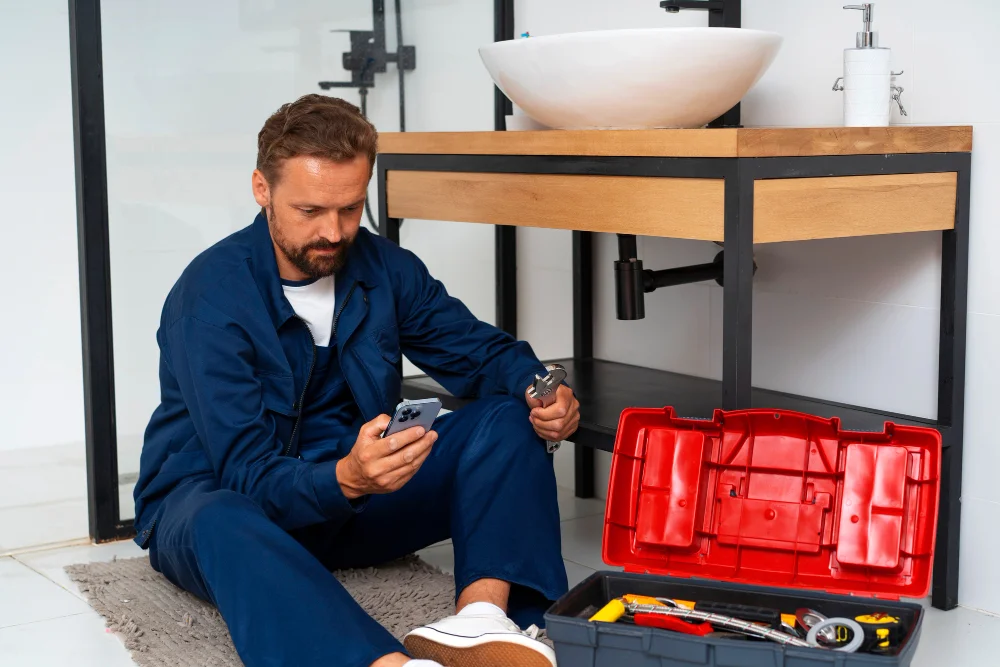
Some plumbing situations require a step beyond manual tools. Professional plumbers use advanced plumbing tools for heavy-duty repairs, complex diagnostics, or major installations.
These include video inspection cameras, which display internal pipe conditions, helping locate cracks, rust, or roots without digging. Hydro-jetters use high-pressure water to clear stubborn blockages quickly. Pipe press systems are modern alternatives to soldering, allowing faster and cleaner pipe connections.
Below are additional advanced Tools a Plumber Uses for efficiency and accuracy:
- Pipe Reamer/Deburring Tool – Smooths pipe edges before joining.
- PEX Crimping Tool – Used to connect PEX piping systems securely.
- Soldering Torch – Fuses copper pipes with watertight joints.
- Pressure Gauge – Measures system pressure for leak testing.
- Plumber’s Torch Shield – Protects walls or surroundings during soldering.
These advanced tools make a plumber’s job not only faster but also safer and more precise.
Importance of Using Quality Tools
A plumber’s skill is only as good as the quality of the tools they use. Cheap or worn-out tools can cause damage, leaks, or wasted materials. A sturdy wrench or a sharp pipe cutter can mean the difference between a perfect seal and a costly comeback.
Quality tools reduce fatigue, improve accuracy, and deliver cleaner work. They also ensure customer satisfaction, a vital part of any professional’s reputation. In short, high-grade tools lead to high-grade results.
Maintaining and Organizing the Plumber’s Toolkit
Organization and maintenance are just as important as the tools themselves. A plumber who knows exactly where each tool is saves time on every job. Regular cleaning, oiling moving parts, and replacing dull blades keep tools in top condition.
Labelling compartments, storing hand tools separately from electric or diagnostic equipment, and using waterproof toolboxes extend the lifespan of expensive gear. A well-kept toolkit reflects professionalism and preparedness, two things customers instantly notice.
Practical Tips for Using Plumbing Tools Safely
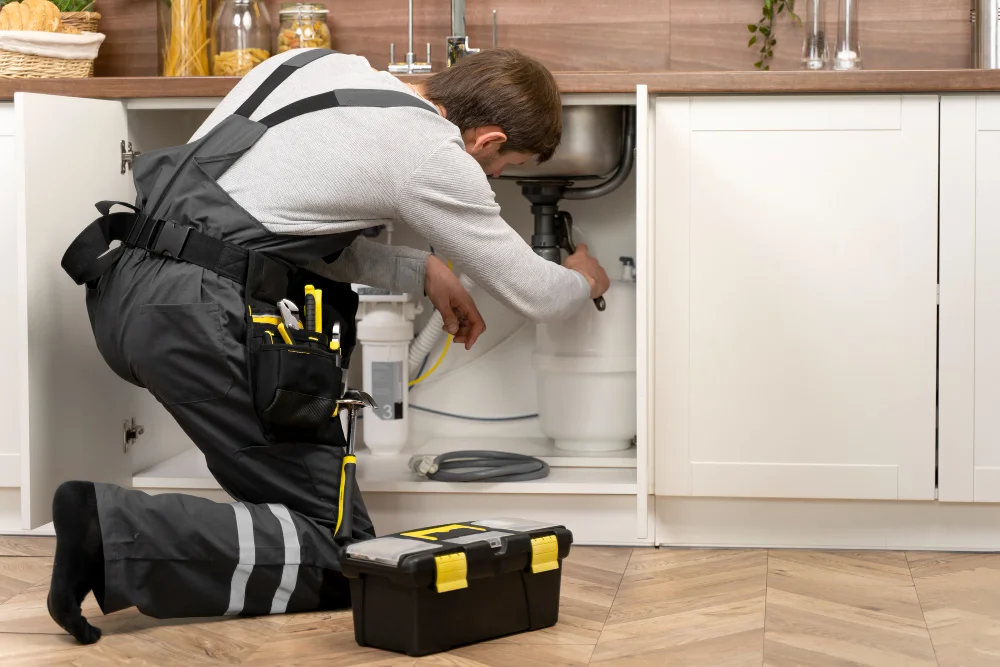
Safety in plumbing goes hand in hand with precision. Even the best tools can be dangerous if mishandled. Always wear gloves and goggles to prevent injuries. Turn off the water supply before loosening pipes. Never use excessive force if a fitting doesn’t move, apply penetrating oil or use the right-sized tool instead of over-tightening.
Here’s a quick safety checklist for plumbing work:
- Inspect tools before every use for cracks or rust.
- Keep handles dry to avoid slipping.
- Avoid using power tools in wet environments without insulation.
- Always follow the manufacturer’s instructions.
- Store sharp tools safely after each use.
Safe habits not only protect the plumber but also ensure the job is completed efficiently and professionally.
Troubleshooting Common Plumbing Issues with the Right Tools
Plumbers face a variety of challenges daily, from leaky faucets to clogged drains. Knowing which tool to use makes all the difference.
A drain auger or plumber’s snake is ideal for clearing kitchen or bathroom drain blockages. A pipe cutter and reamer work together to replace damaged pipe sections. For faucet leaks, a basin wrench and plumber’s putty usually do the trick.
Choosing the correct tool prevents damage, reduces repair time, and ensures long-term reliability. It’s not just about fixing the problem; it’s about fixing it right.
Conclusion: Tools a Plumber Uses
Plumbing may seem simple from the outside, but it’s a skill that depends heavily on precision, experience, and the right equipment. The tools a plumber uses are the backbone of every successful repair, installation, and inspection, ensuring that water systems run smoothly and safely.
From basic hand tools like wrenches and cutters to advanced devices like inspection cameras and hydro-jetters, each tool plays a vital role in keeping homes and businesses leak-free. Choosing quality tools, maintaining them well, and using them properly are what truly separate a good plumber from a great one.