
Artificial intelligence (AI) now plays a significant role in human life, transforming industries, communication, and personal experiences. However, when we ask, “Where is AI in the Bible now?” we must recognize that AI is a modern phenomenon, while the Bible is an ancient text. Nevertheless, through theological reflection, we can draw parallels between biblical wisdom and AI’s ethical implications.
Interestingly, just as travellers explore Hamburg places to visit to understand culture and history, modern readers can study biblical texts to find insights about intelligence, creation, and morality, even though AI isn’t directly mentioned. This comparison shows how timeless principles guide modern technology responsibly.
AI in the Bible: Wisdom and Technology
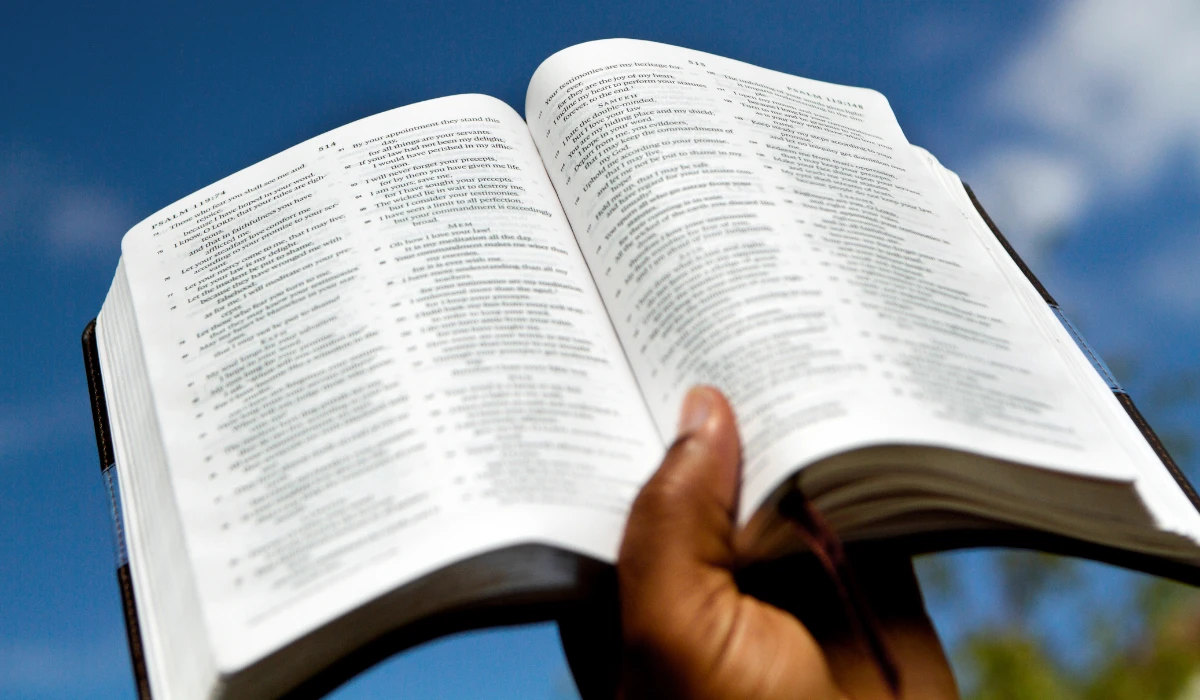
The Bible emphasizes wisdom, knowledge, and understanding as gifts from God. In Proverbs and Ecclesiastes, human ingenuity shines, which mirrors AI’s creative and analytical functions today. Moreover, the scriptures stress using knowledge responsibly.
From a spiritual perspective, humans extend their creativity through AI, reflecting our problem-solving and innovation skills. Similarly, just as Solomon sought wisdom for governance, humans now use AI to analyze data, make predictions, and optimize outcomes.
Therefore, ethical concerns about AI deserve careful attention to ensure responsible use. By addressing these concerns, we can guide AI development to benefit society while aligning with moral and biblical principles. This careful approach also helps prevent misuse and promotes trust between humans and technology.
AI Ethics in the Bible: Guiding Modern AI
The Bible teaches ethical behaviour, accountability, and consequences. Although it doesn’t mention AI, its principles apply. For example, Genesis 1:28 encourages humans to steward creation responsibly, a lesson that extends to AI. Consequently, developers must align AI with biblical ethics.
-
Design AI to respect human dignity.
-
Align AI decisions with moral and social responsibilities.
-
Maintain accountability when AI impacts lives.
-
Avoid unintended harm by following ethical principles.
Furthermore, ethical frameworks inspired by scripture promote fairness, justice, and responsible innovation.
AI Miracles and Biblical Parallels
Modern AI feels almost miraculous, with machine learning, natural language processing, and predictive analytics reshaping human experience. Similarly, theologians compare prophetic visions of wisdom with AI’s transformative potential.
-
Prophets foresaw human advancements and moral dilemmas.
-
Humans control AI, so intentions determine outcomes.
-
Ethical AI ensures these “modern miracles” help, not harm, people.
Therefore, reflecting on biblical prophecy guides responsible approaches to emerging technologies.
Human Creativity and AI: Biblical Lessons
Humans, created in God’s image (Genesis 1:27), possess creativity and intelligence. Thus, we innovate and build tools, including AI, to enhance our potential and improve lives responsibly. By aligning innovation with ethical principles, we ensure AI serves humanity positively.
-
Human ingenuity mirrors God’s wisdom.
-
AI amplifies human intelligence without replacing moral judgment.
-
Biblical narratives emphasize learning and innovation, guiding AI ethics.
-
We must use creation and innovation responsibly, echoing biblical stewardship.
In addition, treating AI as a human tool aligns with the Bible’s perspective on creativity, responsibility, and purpose.
Faith Communities and AI: Biblical Insights

Faith communities increasingly adopt AI for education, administration, and community services. For instance, churches use AI tools to manage schedules, track donations, and streamline communication. Moreover, AI personalizes learning programs for students of all ages.
Counselling and mental health services benefit, as AI analyzes patterns and provides actionable insights. Consequently, communities can focus more on spiritual guidance while AI handles routine tasks. Ultimately, combining AI with biblical principles ensures ethical, responsible, and community-focused technology use.
This integration helps communities thrive while keeping innovation aligned with moral and spiritual values. Moreover, it encourages leaders and developers to prioritize human well-being in every AI application. By reflecting on biblical wisdom, we can shape technology that supports both progress and ethical responsibility.
Challenges and Opportunities: AI in a Biblical Perspective
AI drives progress but can increase inequality, reduce privacy, and create moral dilemmas. However, the Bible provides guidance: prioritize justice, accountability, and empathy. By following these principles, humans can harness AI responsibly and ensure it benefits society.
-
Develop AI with ethical considerations as a priority.
-
Use AI to enhance human well-being without compromising moral values.
-
Apply biblical foresight to ensure technology serves the common good.
-
Leverage AI for education, healthcare, and problem-solving responsibly.
Thus, reflecting on biblical principles helps society harness AI’s potential safely.
Integrating AI with Spiritual and Biblical Wisdom

Faith and technology can work together when humans guide AI with biblical principles. By reflecting on scripture, communities align AI with ethical and moral standards. Furthermore, integrating spiritual understanding prevents misuse in decision-making.
This approach promotes transparency, accountability, and fairness in AI systems. Consequently, AI can improve education, healthcare, and community services while respecting human dignity. Ultimately, blending biblical wisdom with AI encourages responsible innovation that benefits society.
Practical Ways to Apply Biblical Wisdom to AI
-
Implement Moral Oversight: Guide AI decisions with ethical principles.
-
Encourage Human-AI Collaboration: Use AI to support human judgment.
-
Promote Transparency: Keep AI operations clear and understandable.
-
Respect Human Dignity: Ensure AI serves people and protects rights.
-
Reflect on Long-term Impacts: Consider societal and spiritual consequences before deploying AI.
FAQs
Q1: Does the Bible mention AI?
No, AI is a modern invention. Nevertheless, biblical principles about wisdom, ethics, and responsibility apply to AI use.
Q2: How can AI align with Christian ethics?
By ensuring AI promotes justice, accountability, and human dignity, guided by biblical teachings.
Q3: Can AI have a spiritual role?
Indirectly, yes, AI can support education, community work, and ethical reflection without replacing spiritual guidance.