
Artificial Intelligence (AI) has rapidly evolved from a niche concept into a transformative force, reshaping industries, businesses, and daily life. Moreover, AI tools and technology are at the forefront of this revolution, enabling automation, enhancing decision-making, and driving innovation across sectors. From personal assistants like Siri and Alexa to advanced data analytics platforms, AI tools are becoming essential for optimizing efficiency and productivity.
Consequently, understanding AI’s capabilities and applications is crucial for both technology enthusiasts and professionals seeking practical, impactful solutions.AI technology refers to the systems, algorithms, and software that allow machines to mimic human intelligence. These systems process vast amounts of data, recognize patterns, and perform tasks traditionally requiring human cognition.
Machine learning, natural language processing, computer vision, and robotics are among the most widely implemented AI technologies. In addition, they form a foundation for developing AI tools capable of predictive analysis, autonomous operations, and enhanced user experiences. Therefore, AI tools bridge the gap between complex data and actionable insights, empowering organizations to make informed decisions quickly and accurately.
How AI Tools Are Transforming Modern Industries
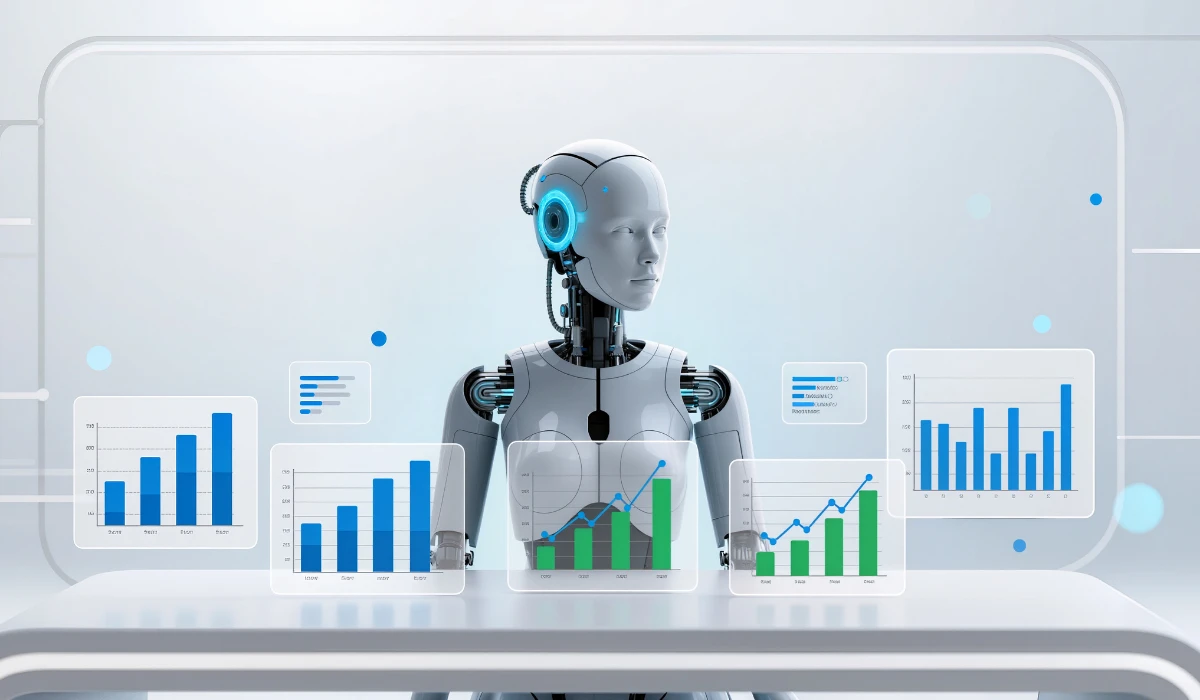
AI tools are revolutionizing industries by streamlining operations, reducing costs, and improving decision-making accuracy. For instance, businesses can utilize AI-powered analytics to identify trends, predict consumer behavior, and optimize supply chains. In healthcare, AI assists in diagnostics, treatment planning, and patient monitoring, ensuring faster and more precise medical outcomes.
Similarly, in finance, AI technologies detect fraudulent activities, provide real-time insights, and enhance customer service through chatbots and virtual assistants.Moreover, the transformative power of AI extends beyond efficiency it drives innovation.
For example, AI tools in the automotive sector enable self-driving technologies, while in agriculture, they support precision farming for better yields. As a result, integrating AI into daily operations allows companies to stay competitive while unlocking new opportunities for growth, customer engagement, and operational excellence.
Key AI Tools Used in Businesses Today
AI tools are diverse, each catering to specific needs and industries. Therefore, businesses can select solutions tailored to their objectives.
-
Machine Learning Platforms: Tools like TensorFlow and PyTorch enable organizations to create predictive models, analyze large datasets, and automate decision-making.
-
Natural Language Processing (NLP) Tools: AI applications such as GPT models and chatbots enhance communication, customer support, and content generation.
-
Computer Vision Tools: Platforms like OpenCV and AWS Rekognition process visual data for surveillance, quality control, and image recognition.
-
Robotic Process Automation (RPA): Tools like UiPath and Automation Anywhere automate repetitive, rule-based tasks, increasing efficiency.
-
Predictive Analytics Tools: AI-driven analytics platforms help forecast market trends, consumer behavior, and operational risks.
In addition, these AI tools not only improve productivity but also enable businesses to harness data-driven insights for strategic planning and decision-making.
Benefits of AI Technology in Everyday Life
AI technology is no longer confined to corporate applications it is increasingly embedded in everyday life, enhancing convenience, safety, and efficiency. For example, from smart home devices to personalized shopping recommendations, AI impacts how people interact with technology daily.
-
Personal Assistants: AI-powered assistants help with scheduling, reminders, and task automation.
-
Healthcare Solutions: AI supports early diagnosis, telemedicine, and personalized treatment plans.
-
Education: AI tools provide adaptive learning experiences, tutoring, and content recommendations.
-
Entertainment: Streaming platforms use AI algorithms to suggest content tailored to user preferences.
-
Transportation: AI facilitates route optimization, traffic management, and autonomous vehicle systems.
Consequently, AI technology enriches daily life while streamlining complex processes behind the scenes.
AI and Machine Learning: The Core Technologies

Machine learning is the backbone of AI technology, enabling systems to learn from data and improve over time without explicit programming. Algorithms analyze patterns in large datasets, making predictions or automating decision-making.
For example, machine learning applications range from spam email filters to recommendation engines on e-commerce platforms. Additionally, reinforcement learning allows AI systems to learn through trial and error, optimizing performance in dynamic environments.
Natural language processing (NLP) allows machines to understand and generate human language. It powers chatbots, voice assistants, and sentiment analysis, enhancing human–machine communication. Together with machine learning, NLP forms the foundation of AI tools, enabling intelligent systems to learn and adapt continuously.
AI in Robotics and Automation
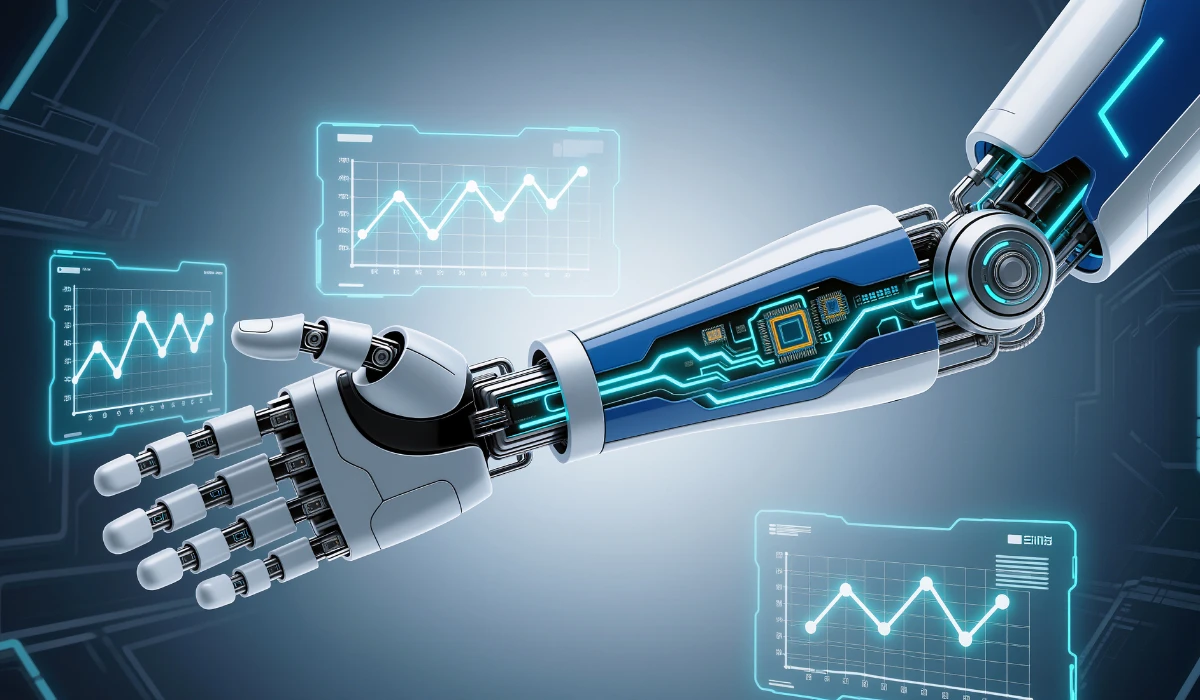
AI-driven robotics is transforming industries that rely heavily on manual labor or precision work. Furthermore, robots equipped with AI can perform complex tasks autonomously, adapt to changes in their environment, and collaborate with human workers safely.
In manufacturing, AI robots optimize production lines, ensure quality control, and reduce downtime through predictive maintenance. In logistics, AI-powered automation enhances inventory management, order fulfillment, and supply chain efficiency.
Moreover, service robots in hospitality, healthcare, and retail streamline customer interactions, delivering faster and more reliable services.As a result, combining AI and robotics allows businesses to achieve operational excellence while reducing costs and improving safety standards.
AI Tools for Data Analytics: Turning Information into Insight
Data is the fuel that powers AI, and AI tools for data analytics convert raw information into actionable insights. These platforms employ machine learning algorithms, statistical modeling, and visualization techniques to identify patterns, trends, and anomalies.
Organizations use AI-driven analytics for:
-
Customer Behavior Analysis: Understanding buying patterns, preferences, and sentiment.
-
Market Trend Prediction: Forecasting sales, demand, and industry shifts.
-
Operational Efficiency: Optimizing resource allocation, workflow, and supply chain management.
-
Risk Management: Detecting fraud, compliance issues, and potential security threats.
-
Decision Support: Enhancing strategy and policy-making with data-driven insights.
Therefore, effective AI analytics tools empower decision-makers to act quickly, reduce uncertainty, and improve overall organizational performance.
Ethical Considerations in AI Development
Furthermore, as AI becomes more integrated into daily life, ethical concerns must remain a priority. For example, biased algorithms can unintentionally reinforce societal inequalities if not carefully monitored. In addition, AI systems must ensure transparency so users understand how decisions are made.
Consequently, organizations need clear accountability frameworks to manage AI-driven outcomes. Moreover, protecting privacy and sensitive data is essential to maintain trust and compliance. Ultimately, addressing these ethical challenges ensures AI benefits society responsibly and sustainably.
Future Trends in AI Tools and Technology
The future of AI tools and technology promises continuous innovation and integration across sectors. Notably, emerging trends suggest more intelligent, autonomous, and human-centric AI systems. AI will increasingly power predictive analytics, autonomous vehicles, healthcare diagnostics, personalized education, and smart city solutions.
-
Explainable AI: Systems that can clearly communicate decision-making processes.
-
AI-Driven Creativity: Tools that assist in art, music, and content generation.
-
Edge AI: AI processing directly on devices for faster and localized insights.
-
Collaborative AI: Enhanced human-AI collaboration for problem-solving.
-
AI in Everyday Devices: Smarter homes, workplaces, and personal gadgets.
As a result, AI tools will continue transforming industries and daily life, making technological literacy increasingly essential.
FAQs
Q1: What are AI tools?
AI tools are software or platforms that use artificial intelligence to perform tasks, analyze data, or automate processes that traditionally required human intelligence.
Q2: How do AI tools benefit businesses?
They improve efficiency, enhance decision-making, reduce costs, and provide predictive insights across various sectors.
Q3: Are AI tools safe for everyday use?
When designed ethically and securely, AI tools are safe, but users should remain mindful of privacy and data protection.
Q4: Will AI replace human jobs?
AI automates repetitive tasks but often complements human roles, enabling higher-value work and creativity.
Conclusion
AI tools and technology drive innovation and efficiency. Explore Hamburg places to visit.Moreover, understanding their capabilities, benefits, and ethical implications allows businesses and individuals to leverage AI tools for smarter decisions, greater productivity, and improved quality of life.
Therefore, embracing AI responsibly ensures a future where technology enhances human potential rather than replacing it. By understanding the capabilities and applications of AI, individuals and businesses can make smarter decisions and work more efficiently. To explore additional ways AI can support innovation and productivity, check out AI tools besides ChatGPT.