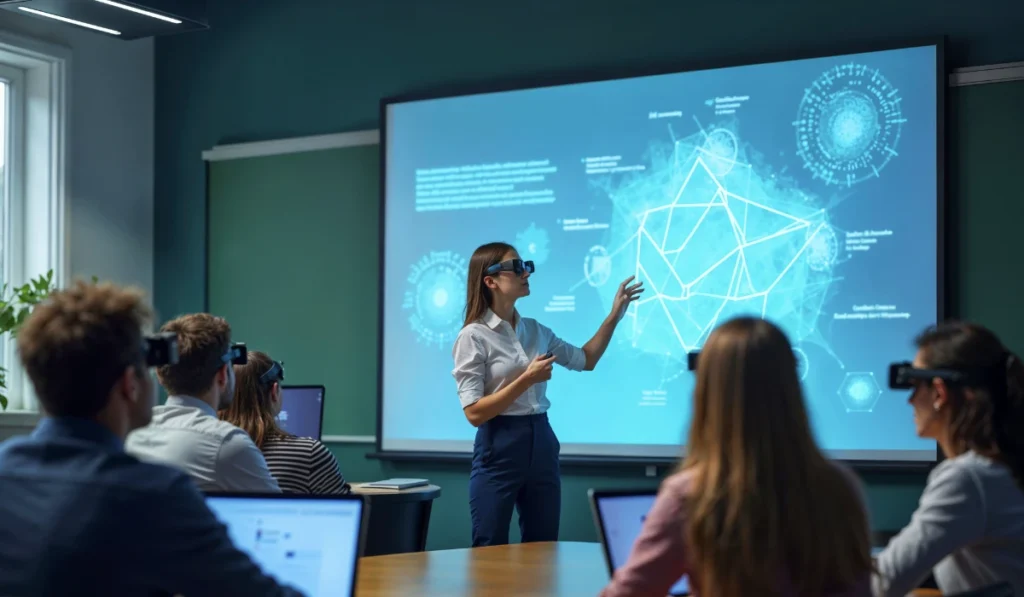
Artificial intelligence is rapidly reshaping education, and AI tools used in teaching are now an essential part of modern classrooms. Educators increasingly rely on intelligent systems to personalize learning, automate repetitive tasks, and gain deeper insights into student performance.
As a result, teaching is becoming more efficient, data-driven, and student-centered. Unlike traditional methods, AI-powered tools adapt to individual learning speeds, ensuring that no learner is left behind.Moreover, the integration of AI does not replace teachers; instead, it enhances their role.
Teachers can focus more on mentoring and critical thinking while AI handles grading, analytics, and content recommendations. Interestingly, just as travelers research Hamburg places to visit to plan efficient trips, educators now explore AI solutions to design smarter learning journeys.
Why AI in Education Matters for Teachers and Students
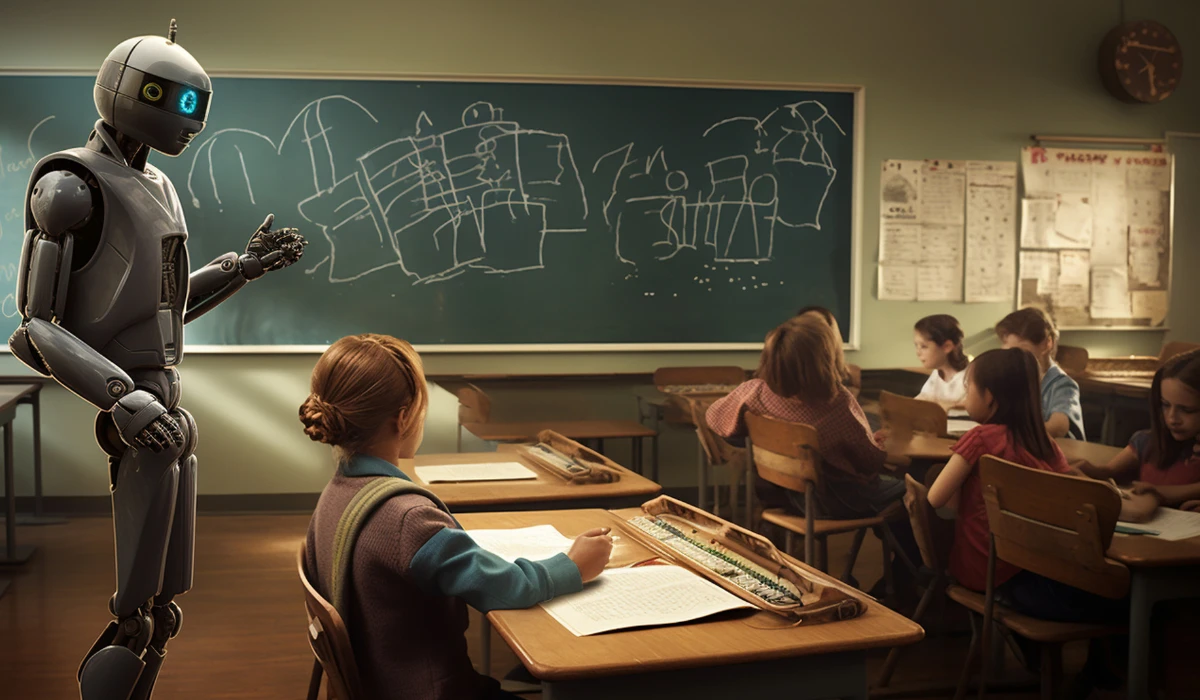
AI tools used in teaching matter because they address long-standing educational challenges. Classrooms often include students with diverse abilities, learning styles, and engagement levels. AI helps bridge this gap by offering tailored resources, real-time feedback, and adaptive assessments.
Similarly, administrative automation reduces teacher burnout, which improves overall educational quality. Therefore, AI is not a trend but a foundational shift toward sustainable and effective education, shaping the future of learning and fostering greater student engagement.
Popular AI Tools Used in Teaching Today
Today’s education sector offers a wide range of AI-powered platforms designed to support both teaching and learning. These tools vary in function, yet they share a common goal: improving outcomes through intelligent automation.
-
Intelligent tutoring systems that adapt lessons to individual learners
-
AI grading tools that provide instant feedback
-
Classroom analytics platforms that track progress and engagement
-
Content creation tools for quizzes, summaries, and lesson plans
Benefits of AI Tools for Classroom Efficiency
AI tools used in teaching significantly improve classroom efficiency by reducing manual workload and enhancing organization. Teachers can manage time better while students benefit from quicker responses.
-
Automated grading saves hours of manual checking
-
Lesson planning becomes faster with AI-generated resources
-
Student progress tracking is more accurate and real-time
-
Communication between teachers and students improves
Personalized Learning with AI in Teaching

Personalized learning is a key advantage of AI in education. AI tools analyze student behavior and performance to customize content providing extra practice for struggling students and advanced challenges for others. Explore AI tools for education to enhance personalized learning.
Furthermore, personalized feedback boosts student motivation. Like travelers customizing itineraries when exploring Hamburg places to visit, students receive tailored guidance that accelerates learning and fosters a deeper understanding of the material, encouraging independent thinking.
Enhancing Teacher Expertise with AI Support
Additionally, AI tools support curriculum alignment and assessment design. Teachers can identify learning gaps early and adjust instruction accordingly. As a result, teaching becomes more strategic, reflective, and impactful, reinforcing trust and authority in the classroom.
Ethical Considerations of AI Tools Used in Teaching
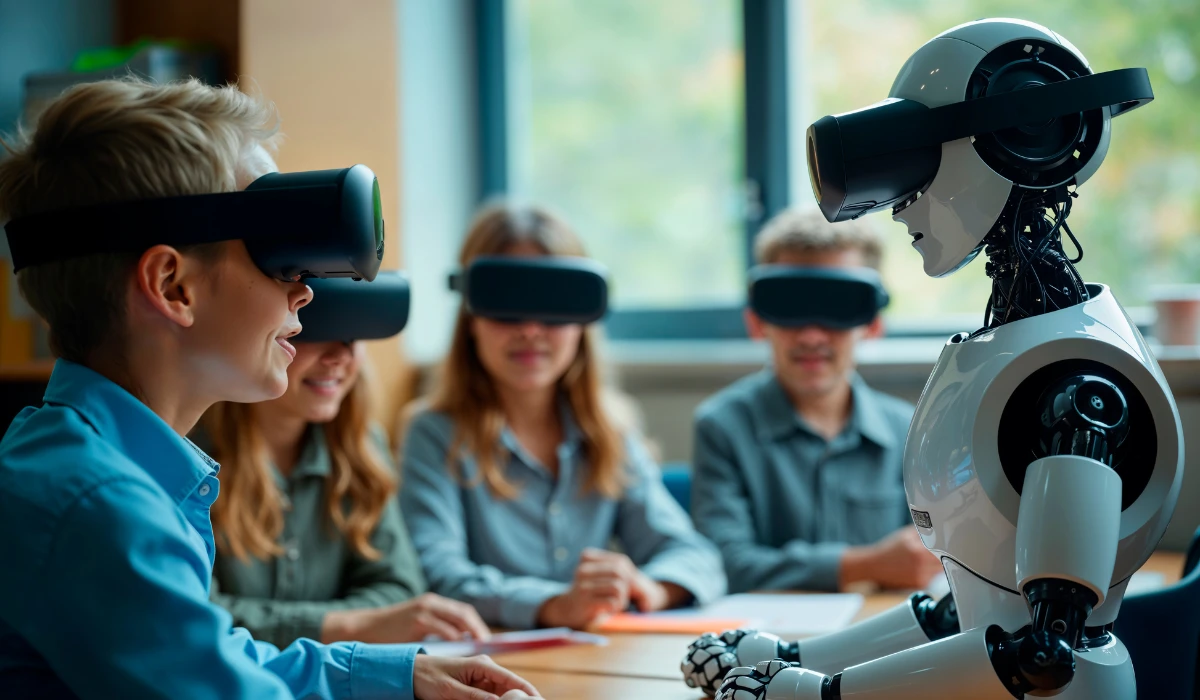
While AI offers numerous benefits, ethical considerations must be addressed carefully. Data privacy, algorithm bias, and transparency are critical concerns. Educational institutions must ensure that AI tools used in teaching comply with data protection standards and respect student confidentiality.
Moreover, educators should understand how AI systems make decisions. Transparency builds trust among teachers, students, and parents. Responsible AI usage ensures fairness and prevents over-reliance on automation. Therefore, ethical guidelines are essential for sustainable AI integration.
Challenges Teachers Face When Using AI in Education
Despite its advantages, AI adoption comes with challenges. Teachers may face technical limits, training gaps, or resistance to change. Using fun AI apps can make AI tools easier and more engaging. These apps provide practical examples that help teachers integrate AI confidently into their classrooms.
In addition, unequal access to technology can widen educational gaps. Schools must invest in infrastructure and training to ensure fair implementation. Addressing these challenges proactively ensures that AI tools used in teaching benefit everyone equally, promoting equity and inclusive learning opportunities.
Future Trends of AI Tools Used in Teaching
-
AI-powered virtual tutors offering 24/7 support
-
Advanced learning analytics predicting student outcomes
-
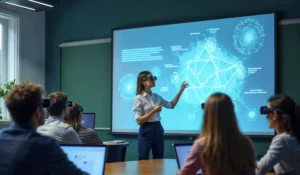
Immersive experiences using AI with AR and VR
-
Voice-based assistants for classroom management
FAQs
Are AI tools used in teaching suitable for all education levels?
Yes, AI tools used in teaching can support primary, secondary, and higher education by adapting content to different learning stages and abilities.
Do AI tools reduce the role of teachers?
No, these tools enhance teaching by automating routine tasks, allowing educators to focus more on guidance, creativity, and student engagement.
Is student data safe when using AI in education?
When implemented responsibly, AI platforms follow data protection standards that ensure student privacy and secure information handling.
Can AI tools improve learning outcomes?
Yes, personalized feedback, adaptive lessons, and real-time analytics often lead to better engagement and improved academic performance.
Conclusion
AI tools used in teaching are transforming education by making learning more personalized, efficient, and inclusive, and just as tools like AI tools for resume building can streamline career development, educational AI strengthens educators’ ability to meet diverse student needs while reducing administrative workload.
When schools adopt AI responsibly, they create balanced learning environments that value both technology and human expertise, enhancing outcomes for students and educators alike, while preparing learners for a tech-driven future and fostering critical thinking skills.