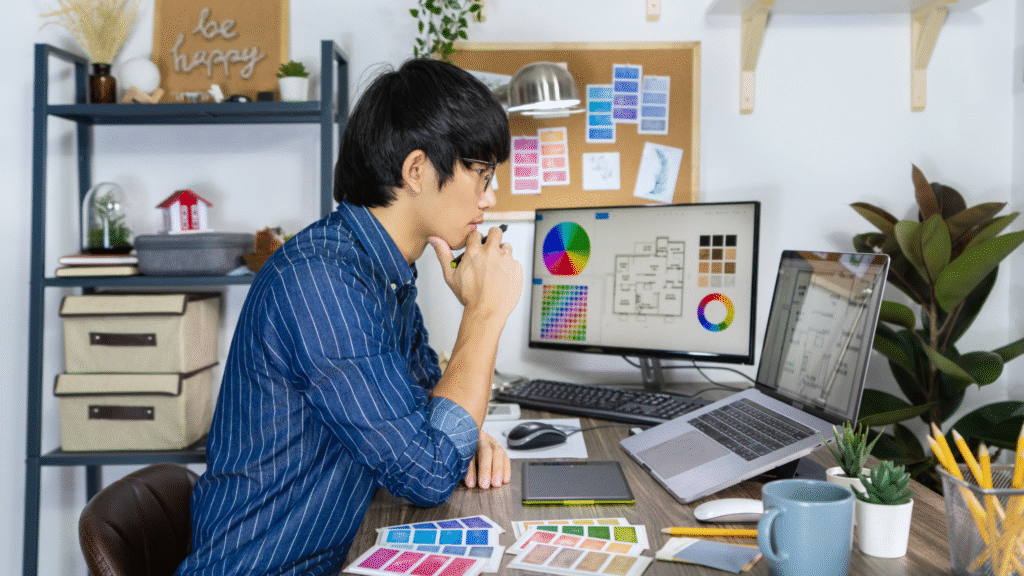
Graphic design has always been about creativity, innovation, and problem-solving through visuals. However, in 2025, the arrival of AI tools graphic design software has transformed how designers work. These intelligent tools not only reduce repetitive tasks but also expand creative possibilities by offering AI-generated images, layouts, and editing assistance.
Consequently, both beginners and professionals can now produce high-quality results faster and with fewer resources. In this article, you will learn about the most effective AI design tools, their benefits, real-world applications, and the exciting future of design powered by artificial intelligence.
Why AI Tools Are Changing Graphic Design
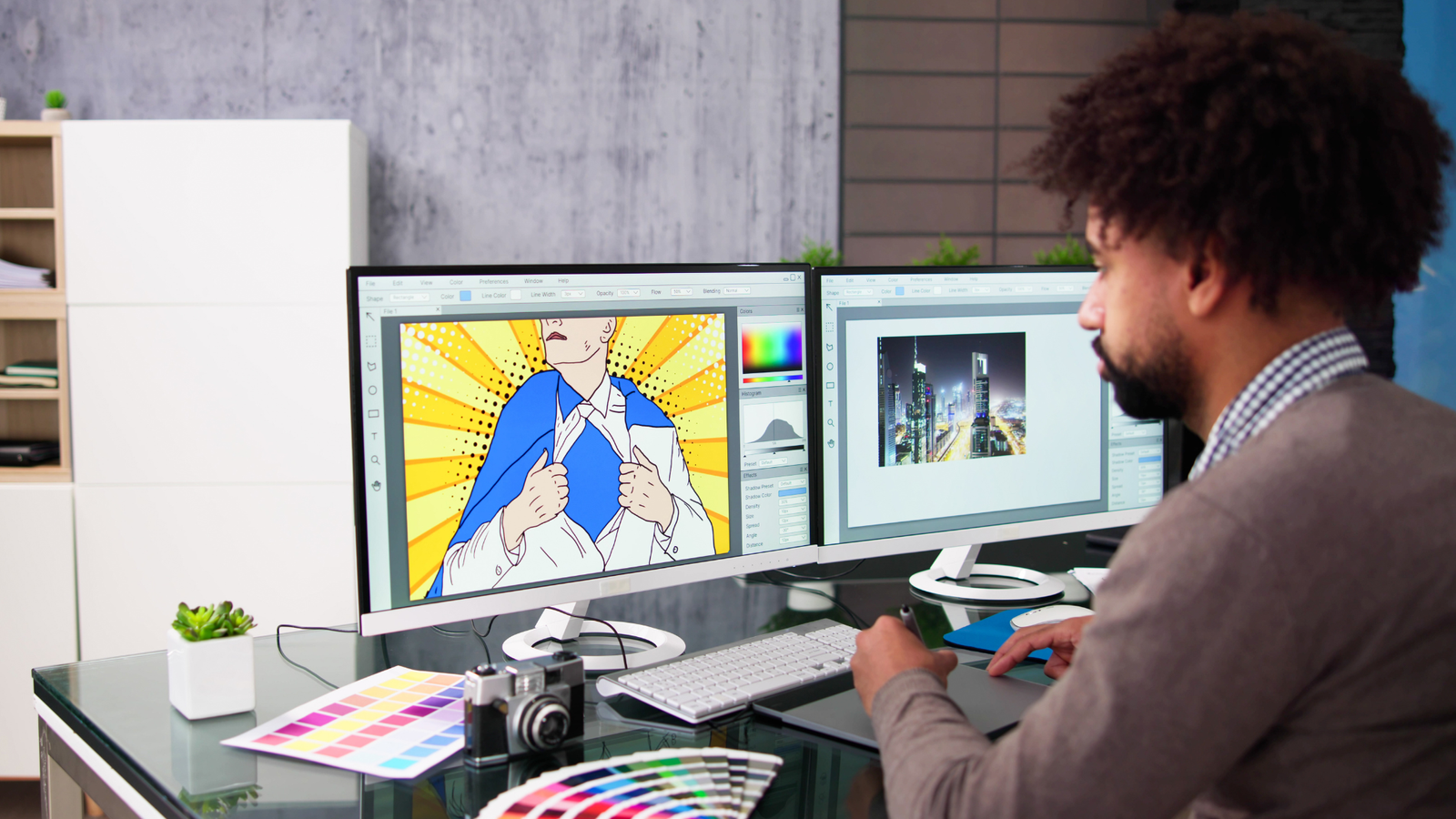
Artificial intelligence is no longer an optional trend it has become essential. Traditionally, designers spent hours resizing images, correcting colors, and testing layouts. Now, AI automates these time-consuming steps.
Moreover, AI tools allow people without professional training to design attractive visuals. As a result, businesses and individuals can compete on a level playing field without large budgets.
Most importantly, AI is not replacing creativity. Instead, it enhances human imagination by handling repetitive tasks and suggesting new ideas. Therefore, designers can focus more on storytelling and brand strategy.
Benefits of Using AI Tools for Graphic Design
The advantages of using AI go far beyond saving time. Let’s break down the main benefits:
- Time efficiency: AI completes background removal, resizing, and retouching within seconds.
- Cost savings: Freelancers and small businesses cut down on outsourcing.
- Creativity boost: Tools suggest new layouts, fonts, and color palettes.
- Accessibility: Even beginners can design professional-quality visuals.
- Consistency: Brand themes remain uniform across platforms.
In addition, AI ensures that creative teams can deliver content more consistently. Consequently, marketing efforts become more impactful and efficient.
Top AI Tools Graphic Design Professionals Use
1. Canva with AI Features
Canva is already a household name. However, its AI-powered upgrades such as Magic Resize, Brand Kits, and AI background remover make it even more useful. Students, marketers, and professionals alike rely on it for quick yet high-quality results, and you can discover more AI tools for visual design.
2. Adobe Firefly
Adobe Firefly integrates directly into Photoshop and Illustrator. It offers generative fill, AI-based text-to-image features, and instant vector editing. Furthermore, professionals trust it because it balances automation with advanced creative control.
3. Fotor
Fotor is especially popular among social media creators. With AI photo enhancement, retouching, and background tools, it helps users create polished visuals instantly. Moreover, its wide template library supports campaigns across multiple industries.
4. Runway ML
Runway ML pushes boundaries by combining AI with video design. It allows creators to generate motion graphics and cinematic effects. Consequently, it attracts designers who want to experiment with animation and visual storytelling.
5. Looka
Looka is an AI-powered logo maker. It uses machine learning to create customized brand identities in minutes. As a result, startups and entrepreneurs save both time and money.
6. VistaCreate (Crello)
VistaCreate helps users produce quick, engaging social media graphics. In addition, its AI resizing and animation tools provide businesses with consistent, ready-to-use content.
How AI Tools Transform the Creative Workflow
Previously, designers spent countless hours on technical steps. Now, AI tools perform many of these tasks instantly:
- Erasing photo backgrounds
- Suggesting layouts and templates
- Enhancing image clarity
- Generating art from text prompts
For example, OpenAI’s DALL·E allows designers to generate original artwork from a simple description. Furthermore, these suggestions often inspire new creative directions.
Therefore, AI does not replace imagination; it acts as a co-pilot that manages the technical side. Consequently, designers gain more time to focus on the emotional and strategic aspects of design.
AI Tools for Different Design Needs
AI for Logo Design
A logo is the foundation of branding. Tools like Looka and Tailor Brands use AI to generate logos that match industry style and audience preferences. Moreover, they provide multiple variations so businesses can choose the most effective one.
AI for Social Media Graphics
Social platforms demand consistency and speed. Canva, VistaCreate, and Fotor allow marketers to create campaigns quickly. In addition, their auto-resizing ensures posts look perfect across different channels.
AI for Marketing Campaigns
Marketers increasingly rely on Adobe Firefly and Jasper Art for campaign visuals. Consequently, businesses achieve consistent branding while maintaining creativity.
AI for Video and Motion Graphics
Runway ML offers innovative tools for video effects. Moreover, its AI-driven animations open new possibilities for storytelling, which traditional software often makes difficult.
Challenges of Using AI in Graphic Design
Although AI is powerful, it has limitations.
- Generic designs: Some outputs look repetitive.
- Learning curve: Users need time to explore features.
- Ethical concerns: Copyright and originality remain ongoing issues.
- Dependence: Relying too much on AI can reduce personal creative input.
However, these challenges can be managed through balanced use. Therefore, AI should be treated as an assistant rather than a replacement.
Future of AI Tools in Graphic Design
Looking ahead, the future of AI in design is bright. We can expect tools to:
- Predict upcoming design trends.
- Offer dynamic branding kits that update in real time.
- Provide immersive 3D and AR design capabilities.
- Enhance collaboration across global creative teams.
Furthermore, as AI evolves, designers will spend less time on execution and more time on strategy. Consequently, the role of the designer will shift toward leadership in creative storytelling.
Conclusion
AI tools for graphic design software have become essential in 2025 for professionals, marketers, and beginners. By automating repetitive steps, sparking fresh ideas, and making design accessible, AI is reshaping the industry.
Moreover, these tools empower businesses to compete globally without requiring massive budgets. Consequently, creative professionals gain the freedom to focus on storytelling, innovation, and brand strategy.
Ultimately, AI is not here to replace designers; it is here to empower them. Therefore, those who embrace AI responsibly will stay ahead in the fast-changing world of visual communication. To explore more about how AI can enhance creativity and workflows, check out these useful AI tools for design.
FAQs About AI Tools in Graphic Design
Q1: Are AI tools replacing graphic designers?
No. While AI automates tasks, creativity and emotional connection remain human strengths.
Q2: Which AI tool is best for beginners?
Canva is the most beginner-friendly tool because of its easy interface and AI-assisted features.
Q3: Do AI tools require coding knowledge?
Not at all. Most AI platforms are designed for intuitive use without technical expertise.
Q4: Can AI help with branding?
Yes. Tools like Looka and Tailor Brands allow businesses to design professional logos and brand kits in minutes.
Q5: Are AI-generated designs unique?
Yes, but originality depends on how prompts and inputs are used. Therefore, designers should apply their creative direction to guide AI outputs.