

Text to speech technology helps convert written text into natural sounding voice outputs. Many businesses now rely on voice tools for accessibility, automation, and user experience improvements. One popular solution people research today is ATT text to speech services. This article explains features, use cases, comparisons, and alternatives in simple language.
What is ATT Text to Speech?
ATT text to speech is a cloud based speech synthesis solution. It converts digital text into spoken audio using artificial intelligence voices. This service is mainly designed for enterprise applications and large scale systems. Developers use it to power automated calls, apps, and accessibility tools.
How ATT Text-to-Speech Works
AT&T text to speech works through APIs integrated into digital platforms. Text data is sent to the system, which processes linguistic patterns. The engine then generates audio output with natural pacing. This process ensures consistent speech quality across different use cases.
Who Should Use
ATT text to speech is ideal for enterprises needing scalable voice solutions. It suits developers building IVR systems and automated customer support. Large organizations benefit from its reliability and infrastructure. Small creators may find it less flexible than modern AI voice tools.
Key Features of AT&T Text to Speech

AT&T text to speech offers enterprise grade features focused on reliability. The platform emphasizes consistent output, security, and cloud integration support. Its services are commonly used in regulated industries and telecom environments. These features make it suitable for large scale deployments.
Voice Quality and Natural Speech
The voice quality of ATT text to speech is clear and professional. Speech output focuses on clarity rather than emotional or expressive tones. It performs well for informational and transactional voice applications. However, creative content may feel slightly robotic compared to newer tools.
Language and Accent Support
AT&T text to speech supports multiple languages and standard accents. This helps businesses deliver voice services to diverse audiences. Language coverage focuses more on business relevant markets globally. Accent variety is functional but limited compared to AI voice generators.
API and Integration Options
AT&T text to speech provides APIs for seamless platform integration. Developers can embed speech synthesis into mobile and web applications. The APIs support automation, IVR workflows, and customer service systems. Technical documentation helps teams deploy solutions efficiently.
Common Use Cases
AT&T text to speech supports several practical business applications today. Companies use it where consistency and uptime matter most. It performs best in structured communication environments. Below are common real world use cases.
Accessibility and Assistive Technology
ATT text to speech improves accessibility for visually impaired users. It helps convert on screen text into spoken information. Many organizations use it to meet accessibility compliance standards. This ensures equal access to digital content for all users.
Customer Support and IVR Systems
Many call centers rely on AT&T text to speech solutions. It powers automated responses in interactive voice response systems. Customers receive consistent information without waiting for agents. This improves efficiency while reducing operational support costs.
Mobile and Web Applications
Developers integrate AT&T text to speech into mobile applications. It supports notifications, alerts, and voice driven app features. Web platforms also use it for guided instructions and onboarding. This enhances user experience across digital products.
Pros and Cons
ATT text to speech has both strengths and limitations. Understanding these helps users make better technology decisions. It excels in enterprise reliability but lacks creative flexibility. The table below summarizes advantages and disadvantages clearly.
| Pros | Cons |
|---|---|
| Enterprise grade reliability | Limited voice customization options |
| Strong infrastructure support | Less suitable for creative voice content |
| Secure cloud based services | Requires technical integration expertise |
Best ATT Text-to-Speech Alternatives
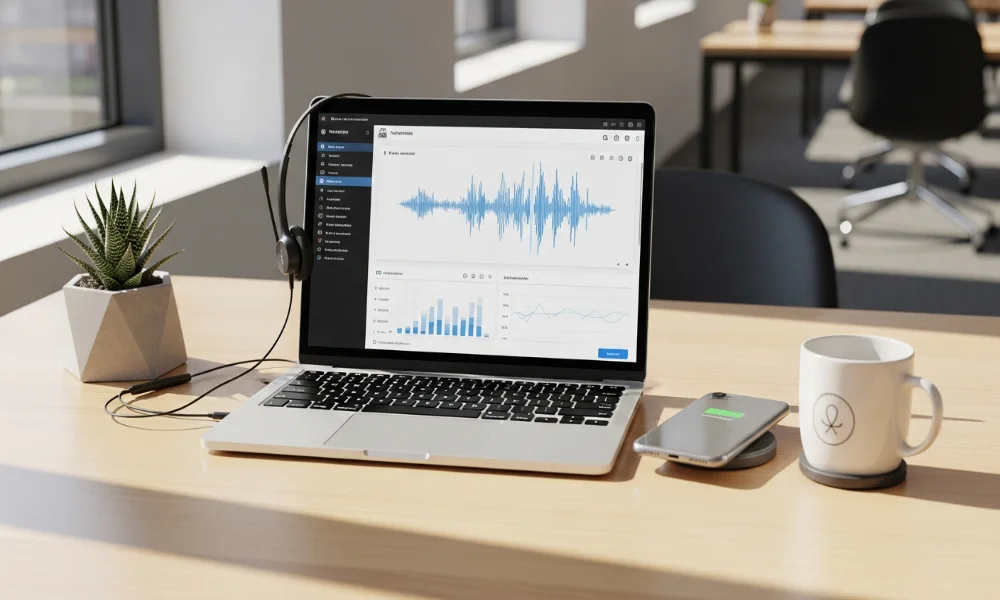
Many modern text to speech tools offer advanced AI voices. These alternatives focus on natural expression and ease of use. They often suit content creators and smaller businesses better. Below are popular ATT text to speech alternatives.
Google Text-to-Speech
Google text to speech offers highly natural and expressive voices. It supports many languages and regional accents worldwide. Developers benefit from easy integration and strong documentation. It is suitable for both enterprise and consumer applications.
Amazon Polly
Amazon Polly is a popular AI powered speech synthesis tool. It provides neural voices with realistic tone and emotion. Polly integrates well with AWS services and scalable cloud systems. Many businesses use it for dynamic voice content.
Microsoft Azure Text to Speech
Microsoft Azure text to speech delivers high quality neural voices. It supports customization and voice tuning for brand consistency. Azure integrates smoothly with enterprise software environments. It is ideal for businesses using Microsoft cloud services.
ATT Text to Speech vs Other TTS Tools
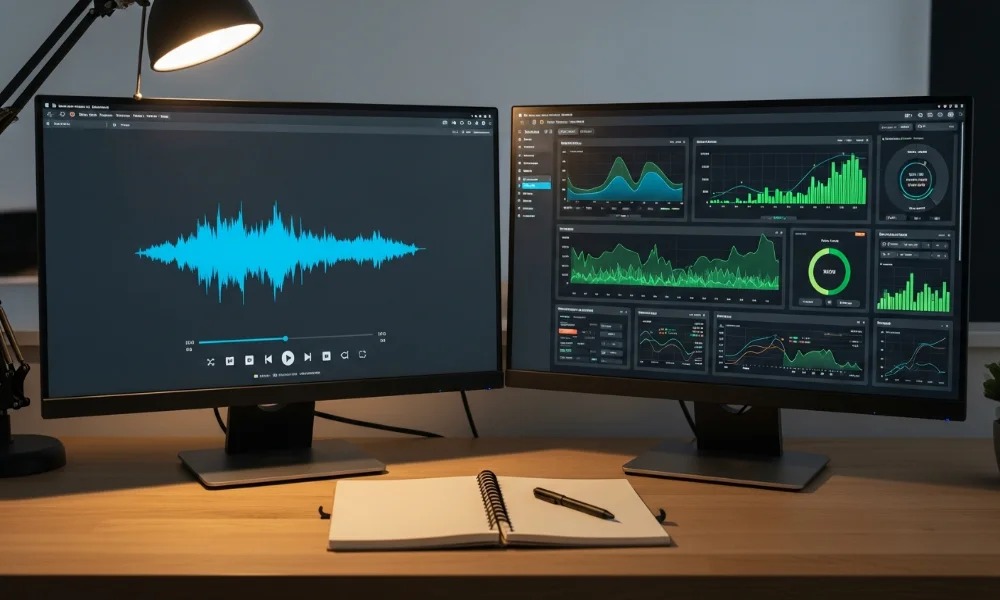
ATT text to speech focuses on stability and telecom reliability. Other AI voice generators emphasize realism and expressive speech. Pricing models also differ based on usage and scalability. Choosing depends on business needs and technical requirements.
Feature Comparison Overview
ATT text to speech prioritizes consistent performance and uptime. Competing tools provide emotional range and voice personalization. AI based tools often update voices more frequently. Enterprises must balance control, creativity, and scalability carefully.
Pricing and Scalability Considerations
ATT text to speech pricing targets enterprise level usage. Costs depend on volume, integrations, and service agreements. Cloud based AI tools often offer flexible pay as you go pricing. Budget planning plays a major role in final selection.
Is ATT Text to Speech Worth Using?
ATT text to speech remains valuable for specific business needs. It works best for structured, high volume voice communication systems. Organizations needing creative voice output may prefer modern AI alternatives. The right choice depends on goals, scale, and audience expectations.
Conclusion
AT&T text to speech is a reliable enterprise speech synthesis solution. It excels in accessibility, IVR systems, and telecom applications. However, newer text to speech tools offer more natural voice experiences. Comparing options helps businesses choose the most suitable voice technology.