Education is changing faster than ever, and technology is the main reason behind this shift. In today’s classrooms, students expect digital support, instant feedback, and flexible learning models. This is where AI tools in teaching play a powerful role. These tools are no longer optional.
Instead, they are becoming a core part of how teachers teach and how students learn. From lesson planning to grading and student support, intelligent systems now assist at almost every step of the educational process.
Moreover, the goal of using artificial intelligence in education is not to replace teachers. Rather, it is to support them by reducing workload, improving lesson quality, and helping students learn in smarter ways.
Understanding AI Tools in Teaching and Their Core Purpose
AI tools in teaching refer to software systems that use machine learning, automation, and data analysis to support educational tasks. These tools can analyze student behavior, personalize learning material, automate routine work, and even assist in real-time classroom interaction. Unlike traditional educational software, AI systems continuously learn and improve with use.
Furthermore, the core purpose of such tools is to make education more effective, inclusive, and scalable. For example, an AI-powered platform can detect which student is struggling and adjust the lesson difficulty automatically. As a result, slow learners get extra support, while advanced students remain challenged. This balanced approach improves both confidence and performance.
The Growing Role of AI Tools in Teaching Systems Worldwide
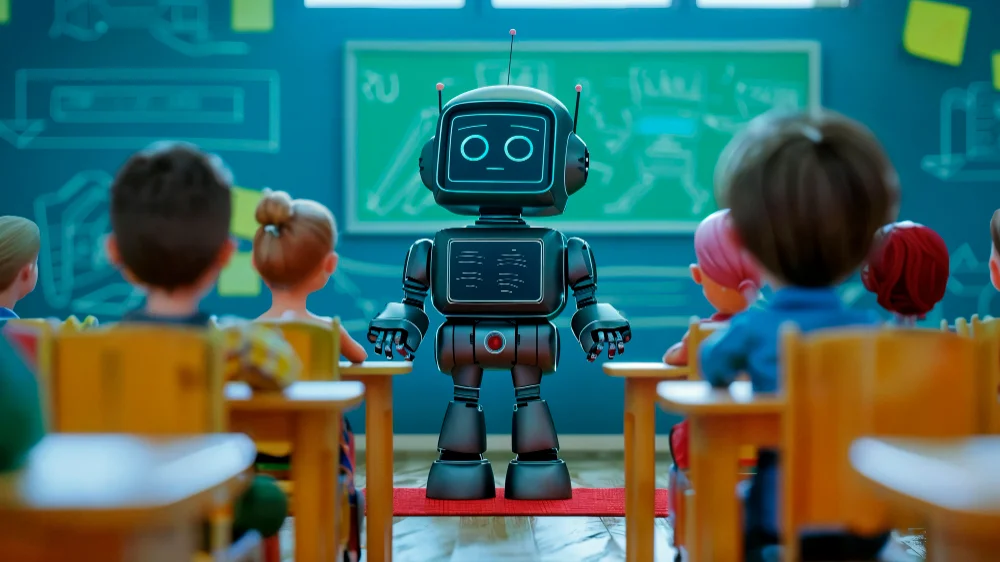
Across the world, governments and institutions are investing heavily in AI in education. From virtual classrooms to digital exams, intelligent systems are now supporting millions of learners every day. In developed countries, AI is used to enhance classroom instruction. Meanwhile, in developing regions, it helps expand access to learning through mobile platforms.
Also, many universities now use predictive analytics to track student performance and prevent dropouts. Similarly, online learning platforms rely on adaptive recommendation engines to suggest the next best lesson. Because of this, learning has become more continuous, flexible, and personalized than ever before.
How Smart Classroom Tools Are Changing Daily Teaching Practice
Smart classroom tools are reshaping how lessons are delivered and managed. These tools integrate AI with interactive boards, student devices, and learning platforms. As a result, teachers can now control content, assess participation, and track understanding in real time. This creates a highly responsive and adaptive environment.
In addition, real-time feedback systems allow instructors to change their teaching style instantly based on student reactions. For example, if many students answer a question incorrectly, the system alerts the teacher to slow down. Because of this, no learner is left behind.
Key benefits include:
- Live student performance tracking during lessons
- Instant quizzes and automated checking
- AI-based attendance and behaviour monitoring
- Content recommendations based on class progress
- Interactive simulations for complex subjects
These features not only make lessons more engaging but also improve decision-making during teaching.
Personalized Learning Through Adaptive Learning Systems
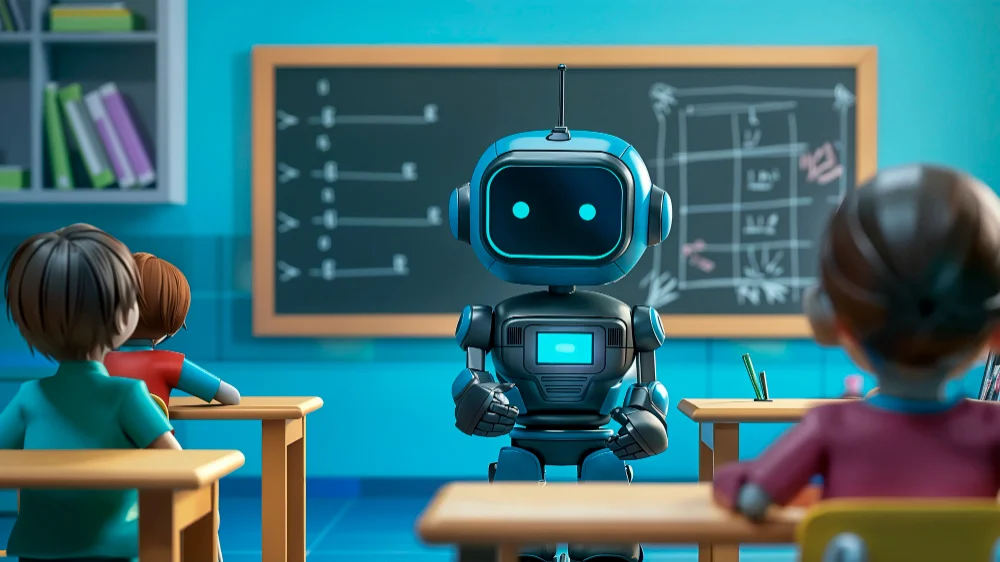
Personalized learning is one of the strongest advantages of adaptive learning systems. These systems adjust course content based on individual student performance, pace, and understanding. Instead of using the same lesson for everyone, each student follows a unique learning path.
Moreover, these platforms identify learning gaps early. If a student struggles with a concept, the system automatically provides extra practice and simpler explanations. Therefore, learning becomes more supportive and less stressful. At the same time, high-performing students receive advanced challenges.
Customized Lesson Difficulty for Every Learner
Customized lesson difficulty allows each student to learn at a pace that matches their ability. Instead of forcing all learners to follow the same level, intelligent systems adjust content based on performance and understanding. As a result, slow learners receive extra support while advanced students get more challenging tasks.
Continuous Performance Monitoring
Continuous performance monitoring helps teachers track student progress in real time. Every quiz, activity, and assignment is recorded and analyzed automatically. Because of this, teachers can quickly identify weak areas and provide timely support. At the same time, students become more aware of their strengths and areas for improvement, which encourages better academic habits.
Personalized Assignments and Tests
Personalized assignments and tests are designed according to each student’s learning level and needs. Instead of using the same exam for everyone, questions are adjusted based on past performance. This makes assessments fairer and more meaningful. Moreover, students feel less pressure and perform better when they are tested at the right level.
Data-Driven Learning Recommendations
Data-driven learning recommendations help students choose the right topics, lessons, and practice materials. These suggestions are based on real learning data rather than guesswork. Therefore, students spend less time on content they already understand and focus more on areas that need improvement.
Faster Skill Development With Fewer Gaps
Faster skill development becomes possible when learning gaps are identified early. Intelligent systems detect weak areas and provide targeted practice instantly. As a result, students build strong foundations and move ahead with confidence. Over time, this reduces academic gaps and helps learners achieve better results with less stress.
Automated Grading and Digital Assessment Tools in Modern Classrooms
Digital assessment tools are transforming how student performance is measured. With automated grading, teachers no longer need to spend hours checking papers. Instead, AI systems evaluate quizzes, assignments, and even subjective answers using intelligent algorithms.
In addition, these tools provide instant feedback to students. As a result, learners understand their mistakes immediately and can correct them faster. This continuous feedback loop supports deeper understanding and faster improvement.
Automated grading systems also help maintain fairness and consistency. Since machines follow the same criteria for every student, bias is reduced. Over time, this builds trust among learners and parents alike.
Main advantages include:
- Faster result generation
- Instant feedback for students
- Reduced teacher workload
- Consistent evaluation standards
- Detailed performance analytics
Therefore, assessment becomes more efficient, accurate, and educational at the same time.
Boosting Teacher Productivity and Student Engagement With AI

Teacher productivity improves greatly with the support of AI. Tasks such as lesson planning, material creation, attendance tracking, and communication can now be automated. As a result, teachers can focus more on creativity, mentorship, and direct student interaction.
At the same time, student engagement increases through interactive content such as intelligent quizzes, simulations, and AI-driven discussion tools. These features make classes more active and enjoyable. Consequently, students participate more and retain concepts longer.
Additionally, virtual teaching assistants provide 24/7 academic help. Students can ask questions anytime, revise topics, and get instant explanations. This constant support improves confidence and independence in learning.
Challenges, Ethics, and Responsible Use of AI Tools in Teaching
Despite its benefits, AI in teaching also raises serious concerns. Data privacy is one of the biggest challenges. Since these systems collect large amounts of student data, proper protection is essential. Schools must follow strict data security policies to prevent misuse.
Another challenge is algorithmic bias. If AI systems are trained on unfair data, they may make biased academic decisions. Therefore, transparency and regular audits are necessary to ensure fairness.
Moreover, there is the risk of over-dependence on technology. Teachers and students must remember that AI is a support tool, not a replacement for human judgment, creativity, and emotional intelligence. Balance is crucial for long-term success.
The Future of AI Tools in Teaching and Classroom Innovation
The future of AI tools in teaching looks highly promising. In the coming years, we will see more intelligent virtual tutors, emotion-detecting learning systems, and real-time performance prediction tools. These innovations will make classrooms even more responsive and personalized.
Furthermore, cross-language AI tools will break communication barriers in global education. Students from different regions will collaborate effortlessly using real-time translation systems. This will expand learning beyond borders like never before.
Future developments may include:
- Emotion-based learning feedback systems
- Predictive student success modeling
- Fully immersive AI-powered virtual classrooms
- Advanced speech-based tutoring systems
- Intelligent curriculum design automation
Thus, education will continue evolving into a smarter, more inclusive ecosystem.
Final Thoughts on AI Tools in Teaching
AI is no longer a future concept in education. It is a present-day reality that is reshaping how teaching and learning happen worldwide. When used wisely, AI tools in teaching strengthen personalization, save time, improve assessment, and boost classroom engagement.
However, responsible use, ethical design, and human supervision remain essential. Education works best when technology and human expertise grow together.