
Python has emerged as one of the most versatile and widely used programming languages in the world. From web development to artificial intelligence, data science, and automation, Python is everywhere. With AI tools becoming popular, a common question arises: is ChatGPT good for Python?
This article explores the role of ChatGPT in learning Python, improving coding efficiency, debugging, and real-world project development. It also provides practical tips and examples for beginners and advanced programmers.
How ChatGPT Helps Beginners Learn Python
Learning Python can be challenging for beginners because the language includes various rules, libraries, and logical structures that may feel confusing at first. ChatGPT simplifies this journey by explaining each concept in clear, easy-to-understand sentences.
It also provides instant code examples, helping learners see how Python works in practical situations. This real-time support allows beginners to avoid confusion and quickly understand the purpose of functions, loops, and basic programming logic.
Additionally, ChatGPT assists with debugging by identifying errors and explaining what caused them, which helps learners improve faster. It also suggests small exercises that strengthen problem-solving skills and encourage consistent practice.
How ChatGPT Improves Python Coding Efficiency

ChatGPT improves Python coding efficiency by helping developers write cleaner code, reducing repetitive work, and finding solutions faster without spending hours searching online.
It assists in refining logic, suggests better functions, and provides optimized alternatives, making the coding process smoother and more productive for both beginners and experienced programmers.
How ChatGPT Enhances Your Python Workflow
-
Code Completion: Helps finish incomplete code or suggest next steps.
-
Optimization Tips: Suggests cleaner, faster, and more readable Python code.
-
Debugging Support: Identifies mistakes and explains how to fix them.
-
Library Guidance: Recommends the right Python modules for specific tasks.
-
Automation Help: Assists in generating scripts for repetitive or time-consuming processes.
Practical Python Projects You Can Build with ChatGPT
ChatGPT is a powerful assistant when it comes to building real Python projects because it explains concepts clearly, provides step-by-step guidance, and helps beginners turn ideas into functional scripts.
Whether you want to practice data analysis, experiment with automation, or learn machine learning, ChatGPT makes the process easier and more interactive, helping learners strengthen their coding skills through practical work.
Web Scraping Projects
ChatGPT helps you create Python scripts using libraries like BeautifulSoup or Selenium, making it simple to collect and analyze data from different websites.
Data Analysis
With guidance on Pandas, NumPy, and Matplotlib, ChatGPT supports users in cleaning, visualizing, and understanding datasets through clear examples.
Machine Learning Models
ChatGPT explains ML steps clearly and helps build machine learning models using Scikit-learn, making advanced concepts easier for beginners.
Automation Scripts
You can generate scripts that automate everyday tasks such as sending emails or organizing files, saving time and improving workflow efficiency.
Game Development
ChatGPT guides you in creating simple games using Pygame or basic text-based logic, helping learners practice loops, conditions, and event handling.
Limitations of Using ChatGPT for Python
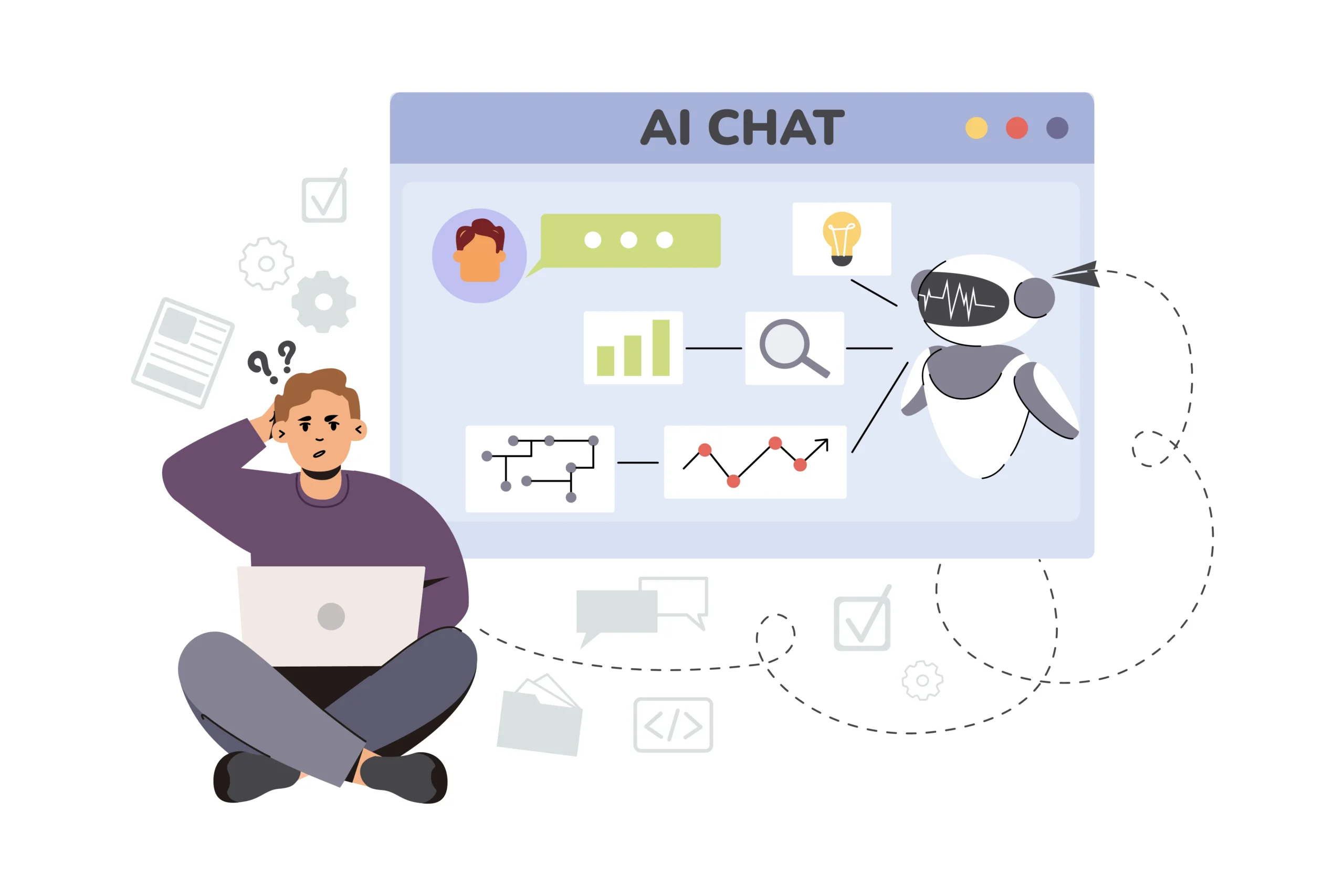
While ChatGPT is extremely useful for learning and writing Python, it does have certain limitations that developers must keep in mind. The AI cannot fully understand very large, complex projects, which means it may miss important context when generating code.
It may also produce outdated solutions because libraries and functions change faster than AI models are updated. Additionally, ChatGPT cannot run code directly, so users must manually test every script to ensure accuracy and safety.
Security is another concern, as AI-generated code can sometimes include vulnerabilities or unsafe logic that beginners might not recognize. Developers must always review, modify, and optimize the code rather than relying on answers blindly.
Tips to Maximize ChatGPT for Python Learning
To get the most out of ChatGPT when learning or coding in Python, focus on asking clear questions, testing every generated script, exploring alternate solutions, and combining AI guidance with official documentation while maintaining consistent practice to strengthen your understanding.
Key Tips:
• Ask clear, concise questions for precise answers.
• Use it to explain concepts, not just generate code.
• Test generated scripts in your Python environment.
• Combine ChatGPT guidance with official Python documentation.
• Explore different coding approaches and algorithms suggested by AI.
How ChatGPT Supports Debugging and Error Resolution
Debugging is one of the most time-consuming parts of Python development, and ChatGPT helps streamline the process by quickly identifying issues in your code. It can detect syntax mistakes, logical errors, and structural problems, making it easier for you to pinpoint what went wrong.
“ChatGPT also explains error messages in simple language, suggests relevant fixes, and offers cleaner or more efficient alternatives to improve your script, as explained in this guide on AI-written code.
For larger or more complex projects, ChatGPT becomes even more helpful by analyzing traceback outputs, highlighting potential weaknesses, and guiding you toward the right solution without needing endless manual trial-and-error. Its ability to provide quick hints, smarter coding approaches, and structured debugging support allows developers to resolve issues faster and maintain better code quality.
Advanced Python Concepts and ChatGPT Assistance
Even experienced Python developers can benefit from ChatGPT’s guidance when working on advanced topics. It provides clear explanations and examples for Object-Oriented Programming (OOP), helping developers understand classes, inheritance, and polymorphism.
ChatGPT also assists with more complex features like decorators and generators, making it easier to implement them correctly in real projects.
Additionally, ChatGPT supports developers in API development using frameworks like Flask, FastAPI, and Django, and in building data science pipelines with Pandas, Seaborn, and Matplotlib. It can also guide machine learning workflows using TensorFlow, PyTorch, or Scikit-learn. Leveraging AI for these complex topics accelerates learning while ensuring code remains clean, efficient, and well-structured.
ChatGPT vs Traditional Learning Resources

Comparing ChatGPT with traditional learning methods shows that combining both approaches is highly effective. While traditional resources give structured knowledge, ChatGPT provides instant, practical guidance that enhances learning. By using AI alongside verified learning materials, developers can gain a foundational understanding and apply it immediately, improving coding skills efficiently.
ChatGPT vs Traditional:
-
Traditional Learning: Books, online courses, and tutorials provide structured and verified knowledge.
-
ChatGPT Learning: Offers instant answers, interactive examples, and personalized guidance.
-
Combination Approach: Using both ChatGPT and traditional resources delivers the best results.
-
Practical Practice: ChatGPT allows experimentation and immediate feedback on code.
-
Time Efficiency: Saves time compared to manually searching through multiple websites.
By combining both approaches, learners can gain foundational knowledge while also benefiting from real-time AI guidance.
Conclusion: Is ChatGPT Good for Python?
In conclusion, ChatGPT is a highly useful tool for Python learners and developers. It provides coding support, learning guidance, debugging assistance, and project-building tips. While it has limitations, using it strategically alongside traditional resources can significantly enhance Python skills.
Whether you are a beginner or an advanced programmer, ChatGPT is a versatile companion in your Python journey.