
In the modern tech world, AI is no longer a futuristic concept; it is actively shaping how companies like Google develop software. Many wonder: what percentage of code is written by AI at Google? The answer is not a single number because AI does not completely replace human programmers.
Instead, AI tools assist developers in automating repetitive coding tasks, generating code suggestions, and enhancing productivity. This article explores Google’s AI-assisted coding practices, the impact on developers, and the future of AI in software engineering.
How Google Uses AI in Software Development
Google has been at the forefront of AI integration for years. AI is embedded in multiple stages of software creation, from writing code snippets to testing and debugging. Google’s AI-assisted coding tools are designed to help developers focus on complex tasks while AI handles repetitive work.
Key Feature:
- Code Completion and Suggestions: AI systems like Codey provide smart suggestions for completing lines of code, functions, and entire templates.
- Automated Testing: AI can write unit tests, integration tests, and even simulate different scenarios to check code reliability.
- Bug Detection and Optimization: AI reviews code for errors, inefficiencies, and potential vulnerabilities.
These AI applications reduce developer workload and improve code quality, but human oversight remains crucial for critical software components.
Estimating the Percentage of Code Written by AI

Determining what percentage of code is written by AI at Google is challenging because the company does not publicly disclose exact figures.
However, insights from industry experts and internal reports suggest that AI currently contributes to roughly 10–20% of Google’s codebase. This contribution is primarily in repetitive, boilerplate, or templated coding tasks where AI can generate functional code quickly and efficiently.
AI Excels at Routine Coding Tasks
AI tools at Google are particularly strong in completing repetitive programming tasks. These tools can generate standard functions, fill in templates, and provide predictive code suggestions, allowing developers to focus on more complex problems.
Complex and Mission-Critical Code Remains Human-Driven
Despite AI’s growing role, human engineers remain essential for writing complex algorithms, designing system architecture, and handling mission-critical projects. AI is not yet capable of fully understanding high-level logic, business requirements, or nuanced decision-making that is required for robust software development.
Human Oversight Ensures Accuracy and Security
All AI-generated code at Google undergoes rigorous review by human developers. Every snippet, whether a completed function or a code suggestion, is examined for accuracy, efficiency, and potential security vulnerabilities.
Future Trends in AI-Assisted Coding
As AI models continue to improve, the proportion of AI-assisted code at Google is expected to increase. Future advancements may allow AI to handle more complex coding tasks with greater autonomy.
Advantages of AI-Generated Code
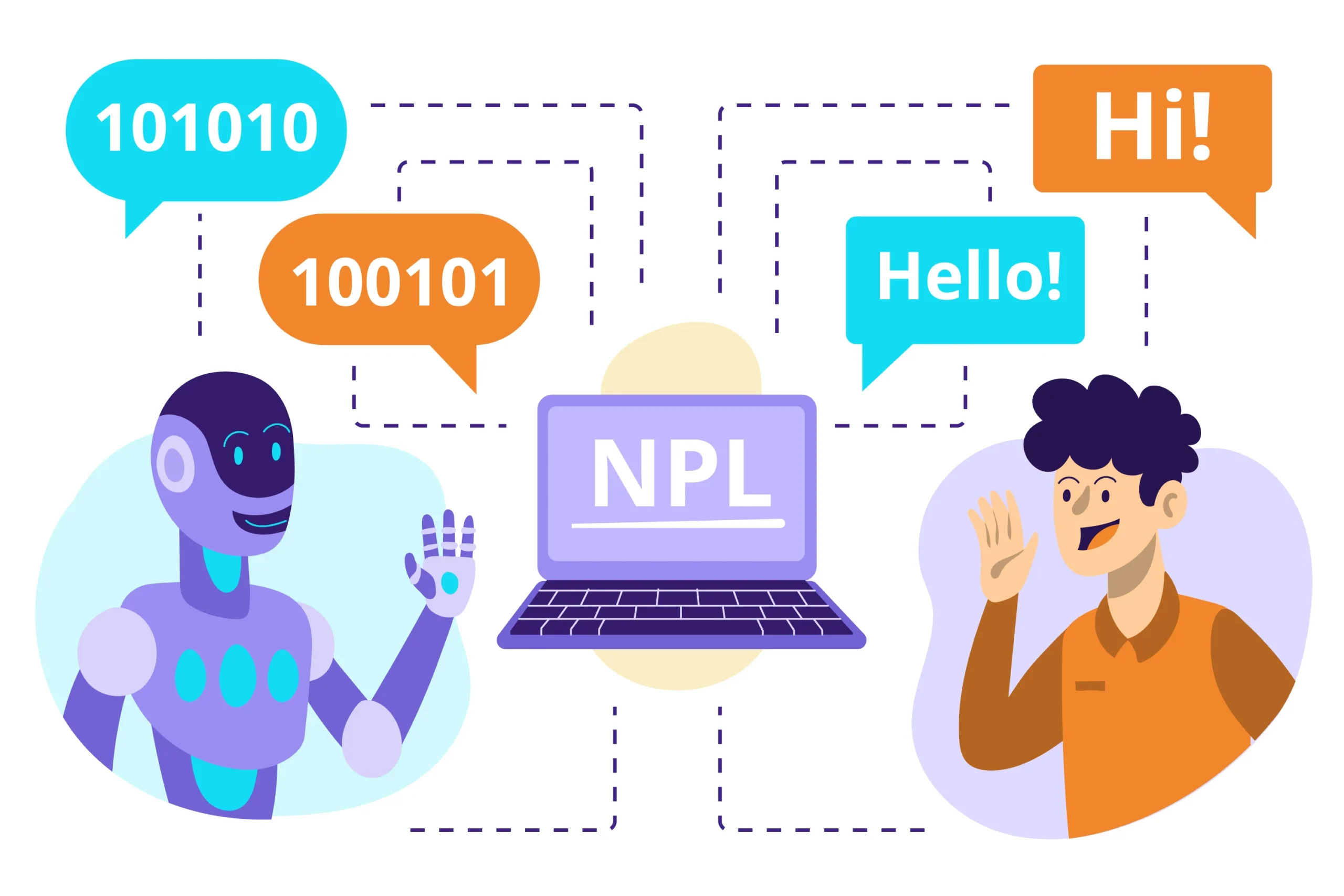
AI coding assistance at Google goes far beyond simply speeding up development. It provides practical benefits that enhance productivity, code quality, and collaboration, allowing developers to focus on strategic and creative tasks. By automating repetitive work, AI enables teams to deliver software faster without compromising standards.
Key Benefits of AI-Generated Code
-
Efficiency: AI takes over repetitive coding tasks, such as writing boilerplate code or completing standard functions, which frees developers to focus on solving complex problems and designing innovative features.
-
Error Reduction: AI tools can automatically detect potential bugs, syntax errors, and code inconsistencies early in the development process, which reduces the likelihood of critical issues later in production.
-
Documentation Assistance: AI generates meaningful code comments, explanations, and guides, making it easier for teams to understand, maintain, and collaborate on large codebases.
-
Faster Delivery: Automating routine coding tasks allows projects to progress more quickly, accelerating release cycles and reducing overall development time.
By leveraging these advantages, Google ensures that its software development process remains both innovative and reliable, with AI acting as a supportive partner to human developers rather than a replacement. For an in‑depth discussion on whether AI might replace human roles altogether, see our article Will AI Take Over Humanity?
Challenges and Limitations of AI in Coding
While AI provides significant advantages in software development, it has clear limitations and cannot fully replace human expertise. AI struggles to understand complex business logic, long-term project goals, and the nuanced decision-making required for high-level software design.
Overreliance on AI can also pose risks to developer growth and creativity. If developers depend too heavily on automated solutions, they may lose the opportunity to refine critical problem-solving skills and innovate independently.
Therefore, adopting a human-in-the-loop approach is crucial. AI should assist developers rather than replace them, providing support for routine tasks while leaving strategic and creative decisions in human hands.
Emerging Trends: The Future of AI Coding at Google

The role of AI in coding is evolving rapidly. Google is exploring ways to increase AI’s contribution without compromising quality.
- AI may handle complete modules for routine applications in the future.
- Integration with machine learning could allow AI to write adaptive, self-improving code.
- Cloud-based AI assistants will support developers worldwide in real-time collaboration.
The future will likely see a hybrid model where human creativity combines with AI efficiency for optimal software development.
AI’s Broader Impact on the Tech Industry
AI in coding is not limited to Google; it is transforming software development worldwide. Companies of all sizes are using AI-assisted programming to improve efficiency, reduce errors, and accelerate project timelines.
By automating routine tasks, AI allows developers to focus on high-value work that requires creativity, critical thinking, and problem-solving skills.
AI has several significant impacts on the software industry. It enhances productivity by freeing developers from repetitive coding, shortens project timelines by speeding up code writing and testing, and improves accessibility by enabling non-experts or beginner programmers to contribute effectively.
Conclusion: Understanding AI’s Role at Google
To summarize, what percentage of code is written by AI at Google is estimated at 10–20%, mostly in repetitive and test-related tasks. Human engineers remain essential for complex algorithms, system design, and critical code decisions. AI serves as a supportive tool, increasing efficiency, reducing errors, and speeding up software development.
As AI technology advances, its role in coding will expand, making hybrid human-AI collaboration the standard in software engineering. Google’s approach demonstrates that the future of software development is not AI versus humans, but AI working alongside humans to achieve better results faster.