
In today’s technology-driven world, understanding artificial intelligence (AI) is no longer optional it’s essential. Whether you’re a student, developer, business owner, or tech enthusiast, having access to a well-structured AI tools dictionary can make learning easier and faster.
With so many terms like “machine learning,” “neural network,” and “fine-tuning” being used daily, a dictionary designed specifically for AI tools helps you make sense of the terminology and communicate effectively.
This comprehensive article explores what an AI tools dictionary is, why it’s valuable, how to use it, and how you can even create one for your own professional growth.
Understanding the AI Tools Dictionary
An AI tools dictionary is a structured collection of words, phrases, and concepts related to artificial intelligence tools and technology. It defines each term clearly and often includes explanations, origins, and examples of how the term is used in the real world.
Think of it as your personal encyclopedia for AI, a quick reference that helps you decode technical jargon and understand how AI systems actually work. From popular models like ChatGPT and Bard to advanced processes such as reinforcement learning or model training, this dictionary provides clarity where confusion often starts.
Importance of an AI Tools Dictionary in Modern Learning
Artificial intelligence is expanding at a remarkable pace. New tools, frameworks, and algorithms appear almost every month. For beginners, this constant evolution can feel overwhelming. That’s where an AI tools dictionary becomes invaluable.
It helps users:
- Understand AI tool definitions in simple language.
- Keep up with the newest AI terms and abbreviations.
- Develop confidence when using AI software or explaining AI processes to others.
Moreover, professionals use these dictionaries to stay consistent across documentation, tutorials, and team communication. A single clear definition can prevent hours of misunderstanding in projects involving data, automation, and machine learning.
How to Use an AI Tools Dictionary Effectively
Using an AI terminology resource is not just about reading definitions; it’s about applying them in real contexts. To make real progress, you need to connect each definition with practical situations that relate to your daily work or studies.
For instance, if you’re involved in content creation, focus on terms like large language model (LLM) or prompt engineering. On the other hand, if you’re a data scientist, you’ll want to understand concepts like supervised learning, training data, and neural networks.
1. Revisit Terms Regularly to Reinforce Understanding
Learning AI terminology isn’t a one-time task. Because AI technology evolves rapidly, revisiting terms frequently helps you retain information and recognize updates or new meanings. Make it a habit to review your dictionary weekly or monthly, especially when new tools or models are introduced.
2. Connect Definitions with Real-World Examples
Understanding a definition is one thing applying it is another. For example, if you learn about “neural networks,” link it to how image recognition tools work. When you study “prompt engineering,” observe how it influences chatbot performance.
3. Keep a Personal Note of New or Confusing Terms
AI is a constantly expanding field, and it’s natural to come across unfamiliar words or acronyms. Maintain a digital or physical notebook where you jot down such terms along with a short description or link.
4. Use Reliable AI Glossary Updates from Trusted Sources
Because AI is advancing so quickly, keeping up with accurate definitions can be challenging. Rely on trusted educational websites, research publications, or verified AI communities to stay current. Websites from universities or AI research labs often publish updated glossaries with precise meanings.
5. Practice Consistency to Build AI Literacy
Consistency is the key to mastering AI language. The more you engage with the terms, the more natural they become in your daily communication. Try discussing these terms in meetings, applying them in documentation, or even explaining them to others.
Common Sections in a Comprehensive AI Dictionary
A well-structured AI tools dictionary usually includes multiple categories, each covering a specific set of terms.
Typical categories include:
- Core AI Concepts – Terms like model, algorithm, inference, dataset, and parameters.
- Machine Learning Terms – Concepts such as regression, classification, bias, and overfitting.
- AI Software & Tools – Framework names like TensorFlow, PyTorch, or OpenAI APIs.
- Ethical AI & Safety Terms – Words like hallucination, transparency, fairness, and explainability.
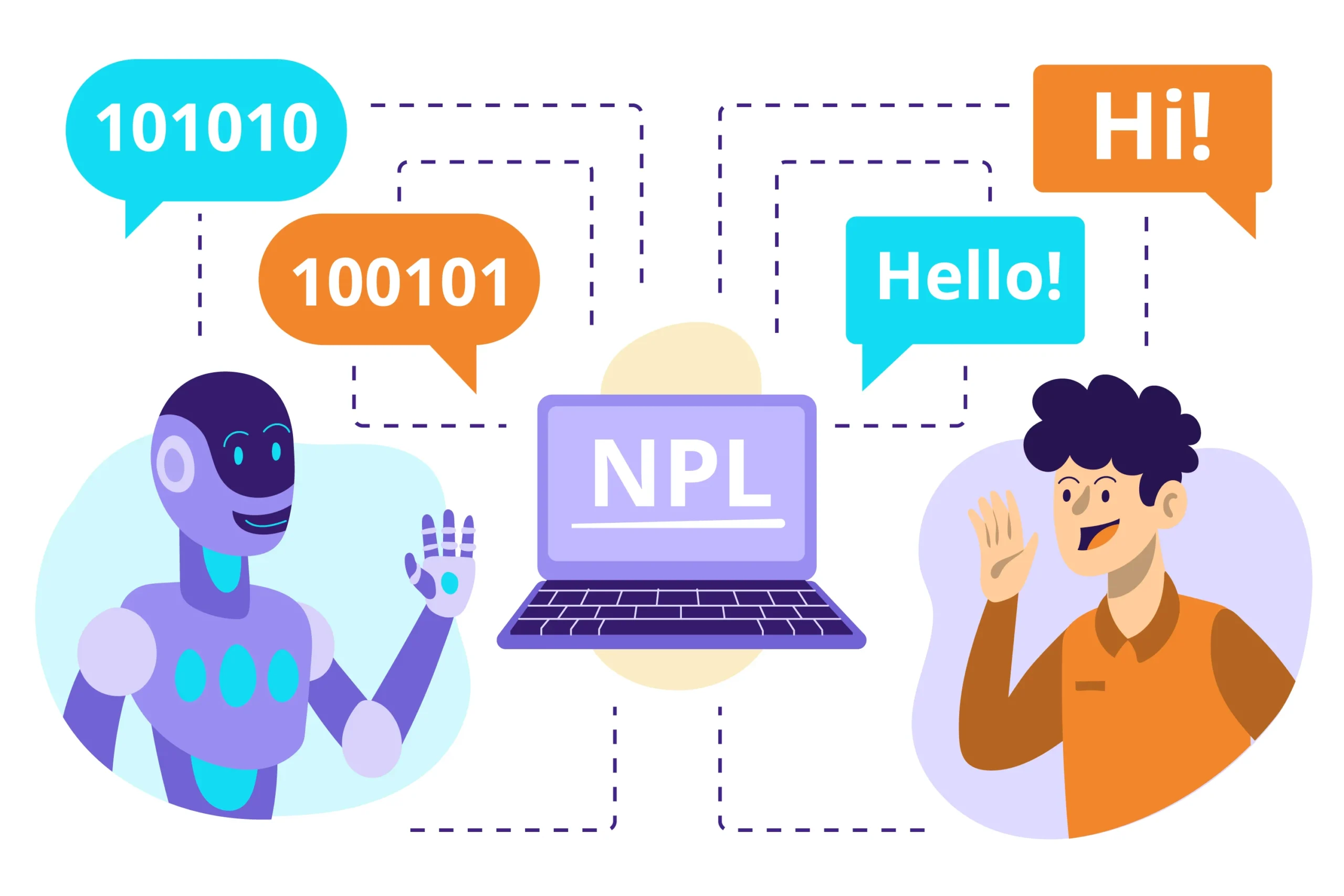
- User Interaction Terms – Prompts, natural language processing, chatbot responses, and embeddings.
Having this organized layout ensures you can quickly navigate to the section that matches your learning focus.
Advantages of Maintaining an AI Tools Dictionary
Maintaining a dedicated AI terminology resource offers long-term benefits for learners and professionals alike. It improves communication by ensuring everyone understands the same concepts and helps in creating accurate documentation, research papers, and technical reports.
With a structured reference, beginners can grasp complex terms more easily and avoid confusion when exploring AI topics. Moreover, an updated AI tools dictionary ensures your knowledge stays current as technology evolves.
Since new models, methods, and tools appear regularly, reviewing and refreshing your dictionary prevents outdated understanding. Continuous updates keep your learning relevant and strengthen your confidence in discussing modern AI innovations.
Creating Your Own AI Tools Dictionary
Building your own AI tools dictionary is a smart way to personalize your learning and strengthen your grasp of artificial intelligence concepts. Start by collecting terms you frequently encounter in articles, projects, or AI software interfaces.
Write simple, clear definitions in your own words so they’re easy to recall later. Over time, this personalized dictionary becomes your go-to resource for reference, project work, and communication within AI communities.
Steps to Create Your AI Tools Dictionary
-
Collect key terms: Note every unfamiliar AI term you come across in tutorials, research papers, or workplace discussions.
-
Define clearly: Write short, easy-to-understand definitions that capture each term’s main idea.
-
Add context or examples: Include a real-world use case to connect the definition to practical scenarios.
-
Organize by category: Group related terms, such as machine learning, natural language processing, and generative AI.
-
Update regularly: As technology evolves, revisit and refresh your entries to keep them accurate and relevant.
Essential Terms in an AI Tools Dictionary
Here are some frequently used AI terms that form the foundation of most glossaries and discussions in artificial intelligence. Understanding these words helps you interpret how AI systems think, learn, and generate results.
Whether you’re a beginner or a professional, knowing these terms makes it easier to explore tools, read documentation, and communicate effectively in the AI community. For a deeper dive into powerful toolsets, check out our article on AI Tools: DeepSeek for hands-on insight and practical usage.
1. Algorithm
An algorithm is a precise set of instructions that guides an AI system to perform specific tasks. It acts as the brain behind decision-making, enabling machines to process input data and produce meaningful outputs.
2. Dataset
A dataset is the collection of information an AI model learns from during training. It can include text, images, numbers, or sound, depending on the task. The quality and diversity of a dataset directly affect how accurate and fair the AI’s predictions or responses will be.
3. Model Training
Model training is the process by which an AI learns patterns, relationships, and behaviours from given data. During training, the model adjusts its internal parameters until it can make accurate predictions. This stage determines how intelligent and reliable the AI becomes.
4. Inference
Inference refers to the phase when an AI uses its trained knowledge to make predictions or generate outputs. It’s what happens after the model has learned, turning learned data into real-time insights, such as recognizing faces or generating text.
5. Generative AI
Generative AI is a branch of artificial intelligence that creates new content like text, music, or art based on patterns learned from data. Popular tools like ChatGPT and DALL·E use generative AI to produce creative, human-like results instantly.
6. Token
A token represents a small unit of data, such as a word, symbol, or character, that AI models process during training and generation. In language models, every sentence is broken into tokens, helping the system understand and predict text more effectively.
7. Prompt Engineering
Prompt engineering is the practice of crafting precise and effective inputs to get the best responses from AI models. A well-structured prompt helps control tone, format, and accuracy, making it an essential skill for anyone using generative AI systems.
8. Fine-Tuning
Fine-tuning is the process of taking a pre-trained model and adjusting it for a specific task or dataset. It helps improve performance in specialized areas, like medical diagnosis or financial forecasting, by customizing the AI’s understanding.
9. Hallucination
A hallucination occurs when an AI generates false, inaccurate, or misleading information that appears believable. It’s a common challenge in generative AI, highlighting the need for fact-checking and human oversight.
10. Bias
Bias in AI refers to unfair patterns or assumptions that appear in data or algorithms. When datasets lack diversity or contain stereotypes, models may produce skewed outcomes. Reducing bias is vital for ensuring fair and ethical AI applications.
Best Practices for Expanding Your AI Tools Dictionary

Beyond using an AI tool dictionary, expanding your AI knowledge involves constant exploration.
Follow online AI communities, subscribe to AI newsletters, and read research papers. As you do, note unfamiliar words and add them to your personal dictionary. Discuss terms with peers or mentors to gain clarity and context.
Quick best practices:
- Set aside weekly time to learn new terms.
- Use visual diagrams to connect related AI concepts.
- Compare definitions from multiple sources for accuracy.
- Apply the learned terms in writing or real projects.
These small habits create long-term expertise and a confident understanding of artificial intelligence.
Challenges of AI Terminology and How to Overcome Them
One of the biggest challenges in AI education is the confusion caused by varying terminology. Different research teams, tech companies, and educators often define the same term in slightly different ways, making it difficult for learners to stay consistent in understanding.
This inconsistency can lead to miscommunication, especially when discussing technical topics across diverse groups. To overcome this challenge, use authoritative sources when learning definitions and avoid depending solely on social media explanations.
Clarify terms with colleagues to prevent misunderstandings, and keep note of synonyms, for instance, “model parameters” and “weights” often mean the same thing depending on context. By practicing these strategies, you’ll maintain clarity and confidence even as new AI jargon continues to evolve daily.
Conclusion: AI Tools Dictionary
Artificial intelligence is reshaping every industry, but understanding its language is the first step to using it effectively. A well-structured AI tools dictionary gives clarity, builds confidence, and bridges the gap between complex algorithms and practical knowledge.
As you explore AI further, continue expanding your personal glossary and staying updated with emerging terms. With the right understanding, you’ll not only use AI tools better but also become fluent in the language of the future.