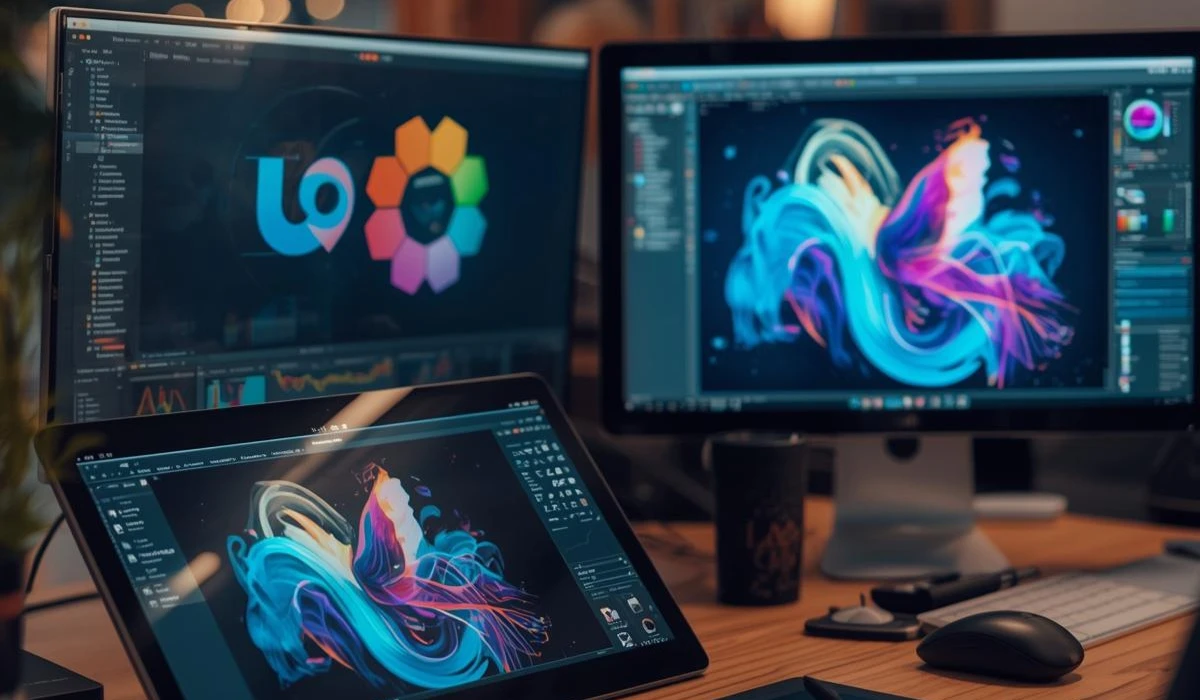
The design world is evolving faster than ever, driven by artificial intelligence (AI). Today’s designers are not just visual artists they are strategic thinkers leveraging AI to create smarter, more engaging, and data-driven designs. AI tools design platforms have become essential for professionals who want to stay ahead in creativity, efficiency, and innovation.
For example, AI-powered tools like Adobe Firefly or Figma’s AI assistant can instantly generate wireframes, recommend color schemes, and optimize visual hierarchies. As a result, human creativity and machine intelligence now work together seamlessly to produce intuitive, high-impact designs.
Why AI Tools Are Essential for Designers Today

Key Benefits of AI in Design
AI tools bring unparalleled advantages to the design process. They automate tedious work, freeing time for creative exploration. Designers gain inspiration through AI-suggested color palettes, typography options, and layout ideas that might otherwise go unnoticed.
Moreover, AI ensures visual consistency across platforms, maintaining a cohesive brand image. It also democratizes creativity, allowing non-designers to produce professional-quality visuals easily. By leveraging data analytics, AI helps tailor designs to audience behavior, resulting in more targeted and effective outcomes.
How AI Enhances Creative Workflows
AI transforms creative workflows by enabling faster collaboration and smarter decision-making. Designers and clients can now co-create through real-time feedback loops, instant design iterations, and AI-generated prototypes. This shortens project timelines while improving communication and creative alignment.
Additionally, AI supports A/B testing by generating multiple design versions and analyzing which performs best. It predicts design mismatches early, helping avoid costly revisions. Integrated with software like Figma or Adobe Creative Suite, AI enhances workflow harmony and ensures seamless creative continuity.
Leading AI-Powered Design Platforms
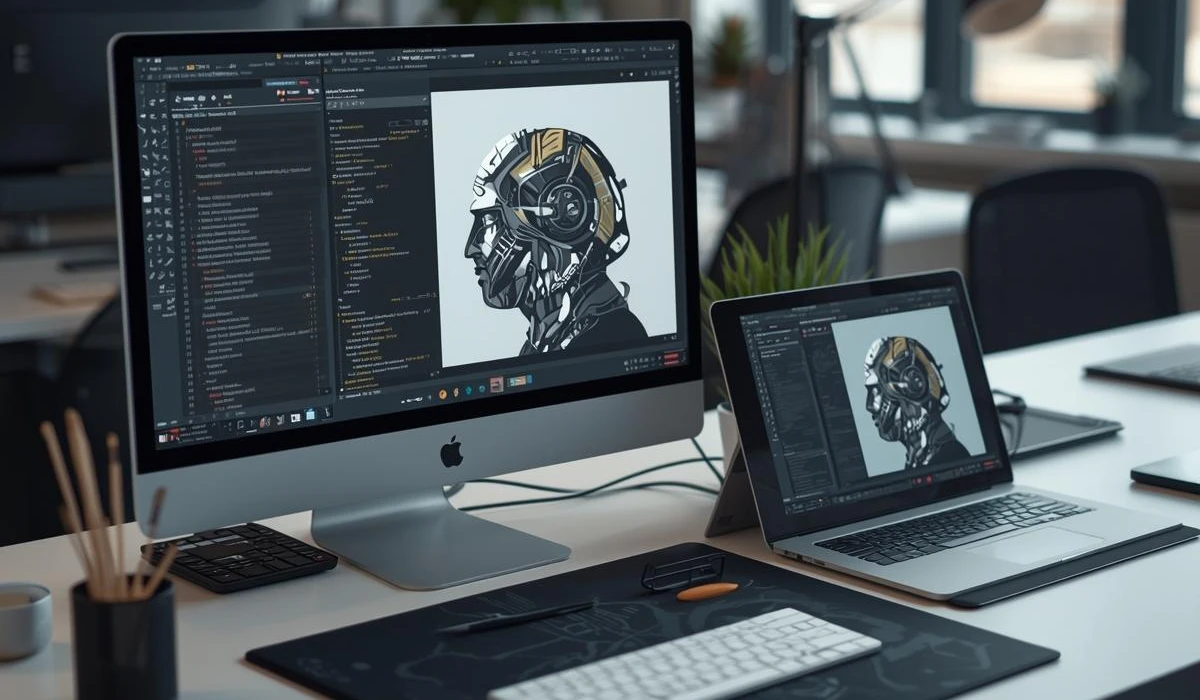
These platforms stand out for their ability to deliver professional-grade results while remaining user-friendly. They adapt to feedback, learn continuously, and improve output quality with each use. Whether you are an entrepreneur or a creative director, these tools make innovation more accessible and affordable.
Integrating AI into Your Creative Workflow
To use AI effectively, designers should identify where automation adds the most value such as image editing, prototyping, or layout optimization. Delegating these repetitive tasks to AI allows humans to focus on storytelling and emotional depth, where creativity truly shines.Successful integration also requires compatibility.
Choose tools that work well with your existing design suite, such as Adobe, Sketch, or Figma. Feed the AI consistent brand data logos, fonts, and colors to maintain identity across outputs. With structured implementation, AI becomes an essential creative ally that enhances both efficiency and originality.
Challenges and Ethical Considerations
While AI-driven tools are transformative, they also present challenges, particularly bias in training data that can lead to repetitive or culturally narrow visuals. Designers must refine AI outputs to preserve diversity, authenticity, and originality while addressing copyright concerns from datasets that may include protected material.
Another ethical challenge is overreliance on automation. Excessive dependence can lead to homogeneity in design, reducing innovation. To avoid this, human oversight remains crucial. The future of AI in design depends on ethical use where designers maintain control, apply critical thinking, and use AI responsibly.
Emerging Trends in AI-Driven Design
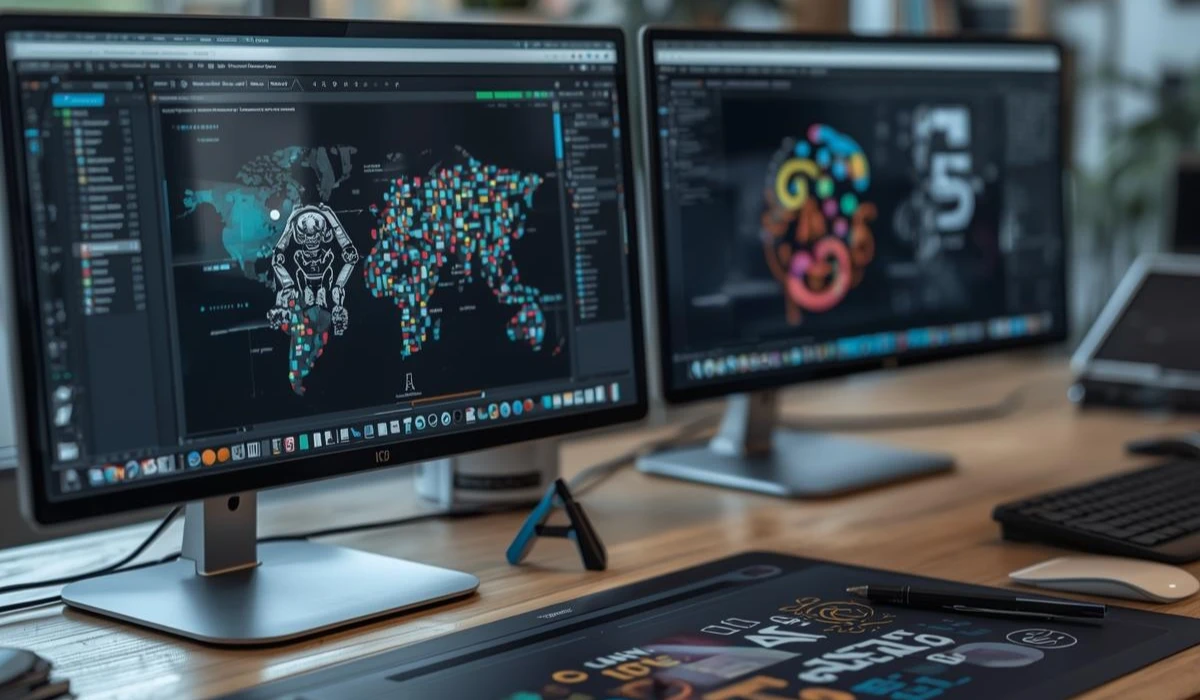
The future of design is becoming more adaptive, interactive, and intelligent.AI will soon power systems that automatically adjust layouts for various screens and user preferences.Voice-driven tools and predictive analytics will enable real-time personalization and effortless design creation.
Moreover, we’ll see a rise in collaborative AI agents capable of suggesting animation, typography, and layout ideas simultaneously. Integration with 3D modeling and augmented reality will further expand creative possibilities, leading to immersive design environments that combine aesthetics with interactivity.
Staying Ahead in the Age of AI Design
To stay competitive, designers must evolve alongside technology. Keep up with emerging AI trends, experiment with new tools, and continuously refine storytelling skills that machines cannot replicate. Learn prompt-writing techniques to guide AI toward producing better results and integrate data analytics to make more informed design decisions.
Most importantly, uphold ethical standards in every AI-assisted project to ensure fairness and integrity. Transparency, inclusivity, and authenticity build trust with audiences and sustain credibility. In this rapidly evolving digital era, these values define long-term creative and professional success.
Building Trust and Transparency in AI Design
Trust is the cornerstone of AI-integrated workflows. Designers must understand how their AI tools function, including how they use data and generate results. Transparency about algorithms, ownership, and content sources builds confidence among clients and audiences alike.
Maintaining human oversight at all stages ensures quality and authenticity. Documenting where AI contributed and where human creativity guided decisions reinforces accountability. This approach aligns perfectly with Google’s EEAT standards, showcasing expertise, experience, authoritativeness, and trustworthiness in every project.
FAQs
Q1: Can AI replace human designers?
No. AI assists with technical tasks and accelerates workflows, but creativity, emotion, and storytelling remain uniquely human strengths.
Q2: Are AI-generated visuals copyright-safe?
Generally, yes but always verify image sources and licensing terms before commercial use to avoid legal complications.
Q3: Which AI design tools are best for beginners?
Canva Magic Design and Adobe Firefly are ideal for beginners due to their intuitive interfaces and automated features.
Q4: How does AI help maintain brand consistency?
AI stores brand data such as colors, fonts, and styles, ensuring that every design asset remains cohesive and visually aligned.
Q5: What are the risks of overusing AI in design?
Overreliance can lead to generic visuals or loss of creativity. Balance automation with personal artistic input to keep designs original and authentic.
Conclusion
AI tools design has redefined creativity, enabling smarter, faster, and more inclusive workflows. These innovations automate routine tasks, inspire new ideas, and generate visuals that resonate with both emotion and logic. However, creativity remains a deeply human pursuit AI only enhances the way we express it.
By merging human imagination with technological intelligence, designers can create visuals that are emotionally compelling and analytically strong. The future of design belongs to those who embrace AI responsibly, using it as a bridge between innovation and artistry. To explore how AI is transforming websites and digital experiences, check out our in-depth guide on AI tools for web design for practical tips and expert strategies.
For readers seeking real-world examples, explore our AI Tools Book PDF for expert guides and hands-on tutorials.Discover how AI transforms web aesthetics and functionality in our AI Tools for Web Design guide.
Join the AI Tools Club community to stay updated on the latest AI tools, trends, and creative strategies.