
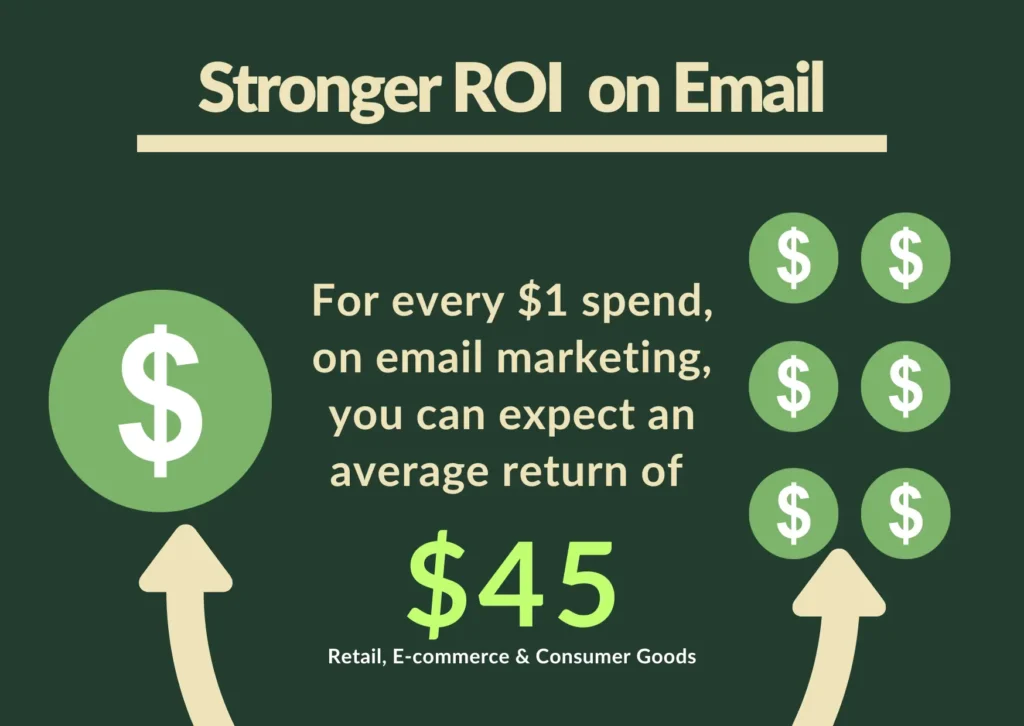
The promise of artificial intelligence in digital marketing often sounds spectacular, but finding concrete financial proof can be difficult. Many software providers highlight vanity metrics like open rates or click-through improvements while avoiding the most important number: the actual impact on your bottom line. To understand the true roi ai email marketing ecommerce potential, you must look past the surface-level engagement data and look directly at direct revenue generation.
Based on actual performance data from modern online storefronts, an optimized, machine-learning-driven strategy can generate substantial returns. In fact, a streamlined framework consisting of just five automated sequences can reliably yield 30,000 dollars per month in recurring sales. By shifting from standard static logic to predictive behavioral triggers, online retailers are turning automated messaging into a highly predictable revenue engine.
The Shift From Rigid Flows to Autonomous Retention
Traditional email sequencing relies entirely on fixed, rigid logic. A customer takes a specific action, a timer counts down, and a generic template lands in their inbox. This old method creates a massive operational bottleneck because it requires digital marketers to constantly build, test, and tweak manual segments.
Implementing a modern ai email flows revenue strategy completely replaces these static rules with real-time predictive data. Instead of sending the exact same discount code to every single shopper who abandons a cart, machine-learning algorithms instantly evaluate individual subscriber histories. The system calculates customer lifetime value, analyzes browsing frequency, and determines the exact discount or message needed to secure the conversion without giving away unnecessary margin.
The table below breaks down the major performance and efficiency differences between legacy software setups and automated, intelligent optimization ecosystems.
| Performance Attribute | Legacy Automated Setup | AI-Optimized Lifecycle Engine |
| Audience Segmentation | Static lists updated manually via tagging | Dynamic, real-time behavioral clustering |
| Send-Time Optimization | General time zones or simple fixed delays | Predictive individual dispatch times based on historic activity |
| Product Recommendation | Static, universally hard-coded top sellers | Dynamic predictive matching tailored to user browsing history |
| Discount Allocation | Blanket promo codes offered to all recipients | Margin-optimized conditional incentives based on purchase likelihood |
Inside the Core 5: The High-Yield Automation Architecture
Reaching a consistent 30,000 dollars per month in automated sales does not require managing dozens of complex pipelines. Instead, success relies on maximizing the performance of five fundamental sequences. This target is achieved by enhancing core flows with machine-learning capabilities, driving elite ecommerce email automation results across the entire customer lifecycle.
1. The Smart Welcome Series
The initial interaction sets the tone for the entire customer relationship. Instead of delivering a generic greeting, an intelligent welcome sequence adjusts its messaging based on the specific traffic source that brought the user to your store.
If a visitor signs up while browsing a specific product line, the system automatically alters the hero imagery and featured benefits to match that category. By personalizing the very first touchpoint, brands significantly improve initial conversion rates while establishing clean data profiles for new subscribers.
2. Predictive Cart Abandonment
Shopping cart abandonment remains a significant drain on digital retail revenue. When optimization systems analyze an abandoned cart, they look far beyond the items left behind.
The algorithm evaluates the user’s past purchase history to determine the best approach. If the shopper is a highly loyal repeat buyer, the system sends a simple, brand-focused reminder without any discount. If the shopper is a hesitant first-time visitor, the flow automatically introduces a calculated incentive right at the moment they are most likely to buy.
3. Behavioral Browse Abandonment
Most window shoppers leave a website without ever clicking the add-to-cart button. A browse abandonment flow addresses these lost opportunities by tracking specific behavioral triggers, such as scroll depth and time spent on a product page.
This timely response ensures your brand stays top-of-mind, guiding hesitant browsers back to the store before they lose interest or look to a competitor.
4. Smart Cross-Sell and Upsell
The easiest way to scale an e-commerce business is to increase the average order value of your existing customer base. An intelligent transactional cross-sell flow handles this automatically by analyzing purchasing patterns across thousands of historic transactions.
Instead of suggesting random accessories, the system recommends products that complement the exact item the customer just bought. For example, if a shopper purchases an advanced digital camera, the system automatically follows up with a tailored offer for the specific lens or memory card that matches that model.
5. Win-Back and Replenishment
Customer churn can quietly stall a brand’s financial growth. A predictive win-back flow uses historical purchase data to calculate the exact lifespan of your products, automatically reaching out right when a customer is running low.
If your data shows a consumer typically reorders a product every 45 days, the sequence triggers a friendly reminder on day 40. For customers who have drifted away entirely, the system uses custom incentives to re-engage them, protecting your retention metrics without requiring constant manual oversight.
Analyzing the Real Metrics Behind the Math
To understand how these five sequences combine to generate 30,000 dollars in monthly revenue, let’s review a practical ai email revenue case study based on a standard direct-to-consumer store profile.
To hit this financial goal at a 75 dollar average order value, your automated sequences need to capture 400 total orders over the course of the month. Breaking that down across a 30-day period means your system needs to secure just 13 to 14 automated conversions per day.
When you look at the data through the lens of a klaviyo ai roi evaluation, achieving these numbers becomes highly realistic. Traditional marketing broadcasts often struggle with low engagement, but personalized behavioral flows consistently deliver open rates above 40 percent and conversion rates nearly four times higher than standard newsletters.
Because these systems work around the clock, they maximize the value of the traffic you already have. They efficiently turn existing clicks into clear profit without forcing you to spend more on expensive paid advertising networks.
Conclusion
The data proves that a modern roi ai email marketing ecommerce strategy is one of the most effective ways to generate predictable, hands-free revenue. By implementing five core sequences, brands can maximize the value of their existing audience and secure thousands of dollars in high-margin sales every month.
The secret to scaling successfully lies in letting data drive your decision-making. Transitioning away from rigid, manual lists and embracing automated behavioral triggers ensures your store delivers the right message to the right shopper at the exact moment they are ready to buy. To explore more in-depth case studies, advanced e-commerce tech guides, and actionable automation strategies, read the latest articles on openaihit.com.
Frequently Asked Questions
How does AI email marketing differ from standard marketing automation?
Standard marketing automation relies entirely on static, preset rules that treat groups of subscribers exactly the same way. AI-driven marketing uses machine-learning algorithms to analyze live customer behavior, allowing the system to customize delivery times, product suggestions, and discount levels for each individual recipient.
Will running multiple automated flows frustrate my email subscribers?
No, because intelligent systems use built-in frequency capping and smart exclusion filters. These guardrails ensure subscribers are never hit with multiple marketing messages at the same time. If a user triggers a browse abandonment email while currently enrolled in a post-purchase sequence, the system automatically pauses the lower-priority message to keep the inbox clean.
Do these automated flows require constant copywriting and design updates?
Not at all. The underlying framework, brand architecture, and primary system logic are established during the initial setup. Once live, the system dynamically swaps out copy variants, product images, and subject lines based on real-time performance data, requiring only a quick monthly review to monitor overall health.
What is the typical timeline to see a return on investment after launching these sequences?
Because these flows target high-intent behaviors like cart abandonment and product browsing, most brands see a noticeable lift in revenue within the first 14 days of activation. The underlying algorithms accumulate data over time, meaning your targeting accuracy and total profitability will continue to improve over the first three to six months.