Artificial intelligence as a tool for creativity is changing the way ideas are born right now. What once took hours of brainstorming can now unfold in minutes with tools like ChatGPT, Midjourney, and Adobe Firefly. Even so, creativity hasn’t turned mechanical.
Instead, while AI throws open the door to new possibilities, it’s still your instinct, your taste, and your lived experience that turn those sparks into something meaningful. So rather than worrying about replacement, creators across the U.S. are learning how to stretch their imagination through smarter collaboration.
AI Tools for Creative Brainstorming and Idea Generation
When you hit a creative wall, momentum matters. That’s exactly where artificial intelligence tools for creative brainstorming and idea generation can make a real difference. Tools like ChatGPT and Claude help expand half-formed thoughts into fresh angles, while Jasper and Copy.ai are often used by U.S. marketing teams to test headlines and campaign concepts quickly.
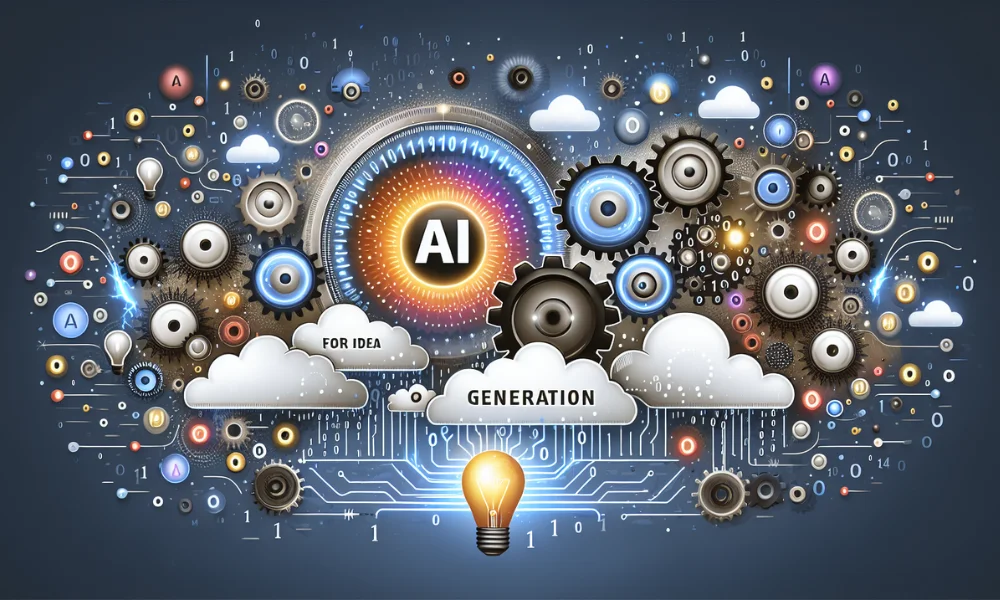
Meanwhile, for visual thinkers, Midjourney and DALL·E can transform abstract prompts into striking imagery, and Adobe Firefly blends seamlessly into design workflows. Notion AI, on the other hand, helps organize scattered ideas into structured outlines.
Creators often use artificial intelligence tools for creative brainstorming and idea generation to:
-
Explore unexpected angles for a blog or campaign
-
Rework a single idea into multiple narratives
-
Develop tagline variations for different audiences
-
Merge unrelated themes to spark originality
At first, the goal isn’t perfection. Instead, it’s expansion. Then, once options are on the table, your judgment shapes the direction. That’s why artificial intelligence tools for creative brainstorming and idea generation work best at the start when curiosity leads and evaluation follows.
How to Use Artificial Intelligence as a Tool for Creative Writing
Now let’s look at how to use artificial intelligence as a tool for creative writing in a way that feels natural, not mechanical.
1. Start With Clear Creative Direction
Before opening ChatGPT or Jasper, pause for a moment. Define who you’re writing for and what tone you want. For instance:
-
U.S. startup founders
-
Conversational but professional
-
Story-driven introduction
When your intent is clear, the output feels more aligned from the start.
2. Ask for Variations, Not Final Drafts
Instead of expecting perfection, ask for options. One effective strategy in how to use artificial intelligence as a tool for creative writing is requesting multiple openings or alternative story directions. Then, you blend the strongest elements together.
You might say:
-
“Make this more emotionally compelling.”
-
“Shorten the sentences for impact.”
-
“Adapt this for small business owners.”
Little adjustments like these make a noticeable difference.
3. Use AI as a Creative Editor
Surprisingly, feedback is where AI becomes especially useful. You can paste your paragraph and ask what feels unclear or slow. As a result, you refine faster without losing your voice.
Over time, practicing how to use artificial intelligence as a tool for creative writing becomes less about automation and more about sharpening your craft. In the end, you remain the storyteller AI simply helps you explore the edges.
AI-Assisted Creative Workflow for Designers and Content Creators
Designers are also benefiting from an AI-assisted creative workflow for designers and content creators. Tools like Adobe Firefly and Canva AI generate layout ideas quickly, while Midjourney offers fast visual experimentation.

A practical AI-assisted creative workflow for designers and content creators often looks like this:
- Concept Phase: Generate mood boards or early style directions.
- Variation Phase: Explore the same idea in multiple aesthetics minimalist, bold, retro, futuristic.
- Refinement Phase: Choose the strongest concept and polish it manually.
- Finalization Phase: Add the finishing touches that align with brand identity and audience expectations.
In real-world creative teams across the U.S., this AI-assisted creative workflow for designers and content creators shortens the draft phase. As a result, more energy goes into originality and less into repetitive setup work.
Benefits of Using AI to Enhance Human Creativity in Marketing
Marketing brings measurable results into the conversation. The benefits of using AI to enhance human creativity in marketing are especially clear when speed and testing matter.
For example, marketers frequently use ChatGPT or Jasper to generate multiple ad headlines before launching A/B tests. Instead of settling on one concept, they explore many.
The benefits of using AI to enhance human creativity in marketing include:
-
Faster campaign development
-
Broader idea testing
-
Audience-tailored messaging
-
More efficient content production
Still, the strongest campaigns don’t feel automated. They feel human. That’s because while AI structures possibilities, people shape emotional resonance. Over time, the benefits of using AI to enhance human creativity in marketing become most visible when creativity and strategy move together.
Is AI Replacing or Supporting Human Creativity?
The question keeps coming up: is artificial intelligence replacing or supporting human creativity?
In everyday practice, it’s supporting. AI doesn’t live experiences. It doesn’t understand personal memories or subtle cultural shifts the way humans do. What it does well is identify patterns and generate structured ideas quickly.
So rather than choosing sides, many creators now see balance as the smarter path. When guided thoughtfully, AI expands possibilities. When used passively, it limits originality. That’s why the conversation around is artificial intelligence replacing or supporting human creativity often ends the same way: creativity still begins and ends with human judgment.
Creative Quality Control using Artificial Intelligence as a Tool for Creativity
Generating ideas is easy. Evaluating them is harder.
Before publishing AI-assisted work, ask yourself:
-
Does this sound like me?
-
Would my audience connect with this message?
-
Does it feel distinctive rather than generic?
-
Have I added real perspective?
That final layer of reflection is what transforms draft material into authentic content.
Conclusion
In the end, artificial intelligence as a tool for creativity isn’t about replacing imagination it’s about stretching it. While AI speeds up brainstorming and refines rough drafts, the final vision still belongs to you.
And as more creators explore smarter workflows, conversations across platforms like OpenAIHit.com continue to show that technology works best when guided by human insight. So rather than choosing between AI and originality, the future clearly belongs to those who blend both with intention.
Now it’s your turn start experimenting, refine your process, and create something uniquely yours.
FAQs
Is artificial intelligence replacing or supporting human creativity?
In most cases, it’s supporting creativity, since AI generates options while humans shape meaning and emotion.
How to use artificial intelligence as a tool for creative writing?
Start with clear direction, generate variations, and then refine the output with your personal voice and edits.
What are the best artificial intelligence tools for creative brainstorming and idea generation?
Tools like ChatGPT, Claude, Midjourney, and Adobe Firefly are widely used, especially for expanding ideas quickly.
What are the benefits of using AI to enhance human creativity in marketing?
It speeds up content testing and idea generation, while still allowing marketers to control tone and brand authenticity.
How does an AI-assisted creative workflow for designers and content creators improve productivity?
It accelerates early drafts and visual concepts, so creators can spend more time refining and perfecting their work.